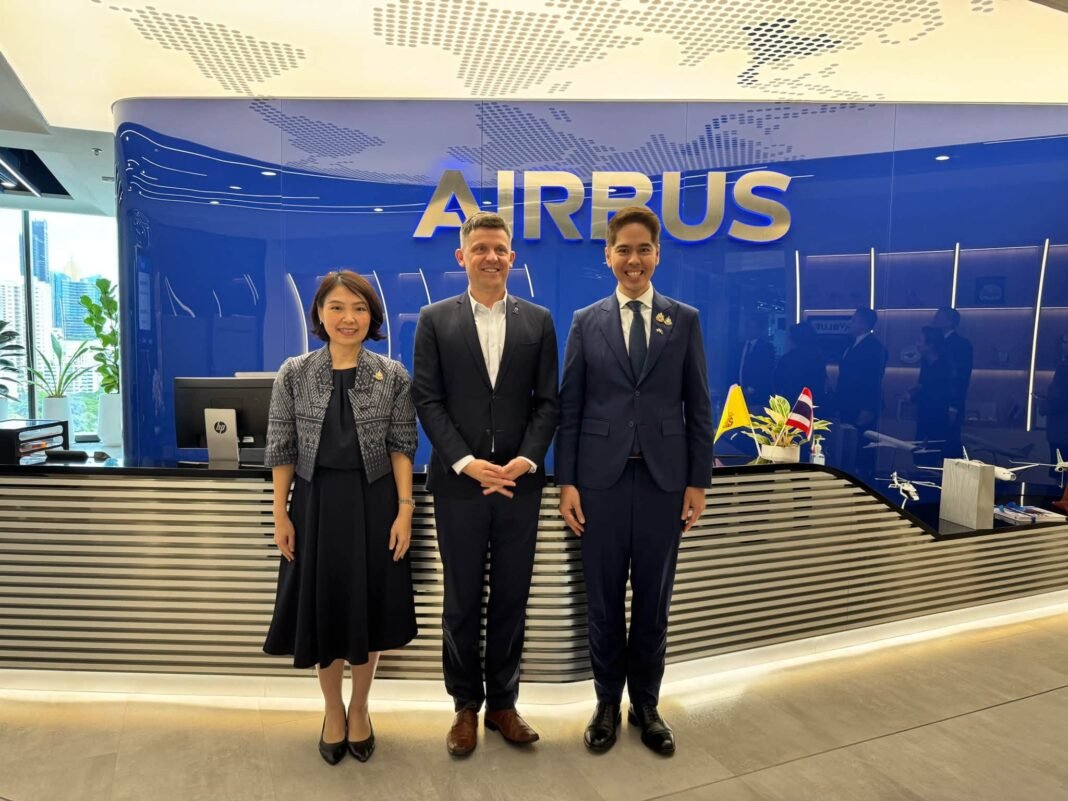
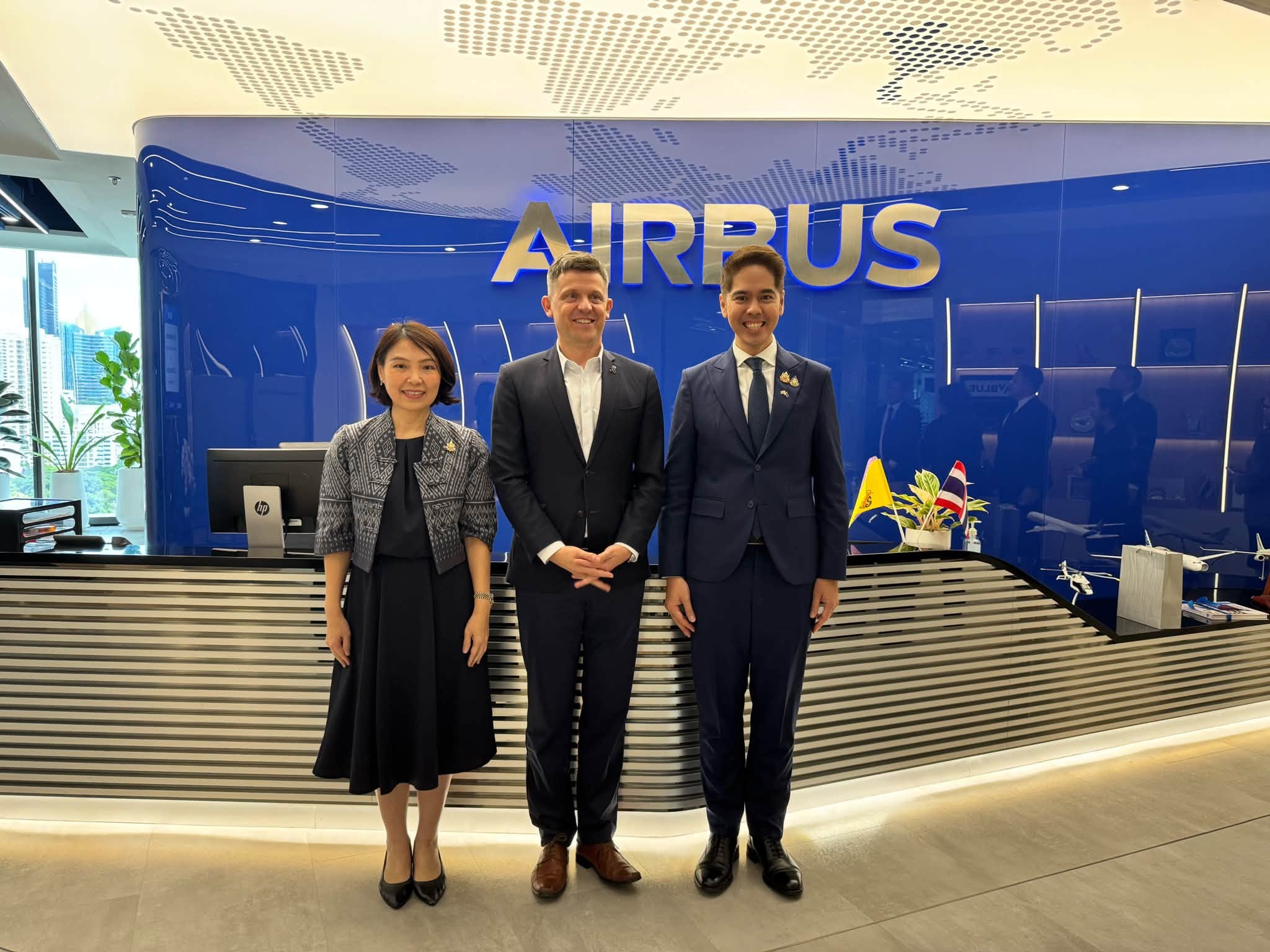
Per the government announcement, The most consequential element of the August 3rd press release concerns the reaffirmed commitment between Thailand and Airbus Group (Thailand) regarding enhanced collaboration within the aviation sector – a fact underscored by the meeting between Ms. Somrudee Poopornanake, Director-General of the Department of European Affairs, Mr. Werapong Prapha, Thailand Trade Representative, and Mr. Bert Porteman, President of Airbus Group (Thailand). This engagement directly impacts Thailand’s long-term strategic goals for regional economic integration and industrial diversification.
Background
The 20-Year “5S” Foreign Affairs Masterplan, outlined by the Ministry of Foreign Affairs, prioritizes strengthening relationships with key trading partners within Southeast Asia and Europe. The stated ambition to establish Thailand as a regional aviation hub is intrinsically linked to ongoing negotiations for the Thailand–European Union Free Trade Agreement (Thailand–EU FTA). This agreement, currently expected to expand trade and investment opportunities between Thailand and the European Union, represents a critical element in securing access to advanced aerospace technologies and bolstering Thailand’s competitive position within the global aviation market. The statement does not address specific timelines or milestones for the FTA’s conclusion.
Analysis
The core incentive driving this renewed collaboration is undoubtedly Thailand’s ambition to transform itself into a regional aviation hub. This requires substantial investment in infrastructure, workforce development, and access to cutting-edge technologies – all areas where Airbus Group (Thailand) possesses significant expertise. The discussions surrounding education, skills development, and capacity building are therefore strategically aligned with this broader objective. Furthermore, the focus on Sustainable Aviation Fuel (SAF) production highlights a recognition of global pressures regarding decarbonization and positions Thailand as a potential player in driving sustainability within the aviation industry – if implemented as described.
The engagement also reflects an understanding of the inherent risks associated with relying solely on traditional aerospace markets. The pursuit of diversification, specifically through SAF development, suggests a proactive approach to mitigating these risks and capitalizing on emerging opportunities. This implies a calculated move towards greater self-sufficiency within the sector, a key tenet of Thailand’s strategic planning.
Implications
For policymakers, this renewed collaboration presents an opportunity to accelerate progress toward fulfilling the ‘5S’ Masterplan’s aviation ambitions. Successful negotiation and implementation of the Thailand–EU FTA would significantly reduce trade barriers and attract foreign investment into Thailand’s aviation industry. The focus on workforce development offers a pathway to addressing skills shortages within the sector, crucial for supporting expansion plans. Should the visit yield positive outcomes regarding SAF production, it could position Thailand as a regional leader in sustainable aviation practices.
Regionally, this strengthens Thailand’s ties with the EU – a key trading bloc and source of technological innovation. The development of a robust aviation sector has wider implications for Thailand’s broader economic growth, including increased tourism revenue and potential benefits for related industries. From a security perspective, enhanced collaboration within the aviation sector could contribute to improved air traffic management and security protocols.
Outlook
If the visit yields a concrete timeline for FTA negotiations and secures commitments regarding SAF investment, Thailand’s ambition to become a regional aviation hub will appear more tangible. Should this not occur, and progress towards the FTA remains stalled, it would likely necessitate adjustments to Thailand’s strategic planning – potentially delaying or diminishing the impact of the ‘5S’ Masterplan. The statement does not address the potential for alternative partnerships within the broader aerospace industry.
Conclusion
The meeting with Airbus Group (Thailand) underscores a concerted effort to shape Thailand’s aviation future, but it ultimately leaves open the critical question of whether the stated ambitions can be translated into tangible investment and sustainable growth – particularly regarding SAF development timelines.