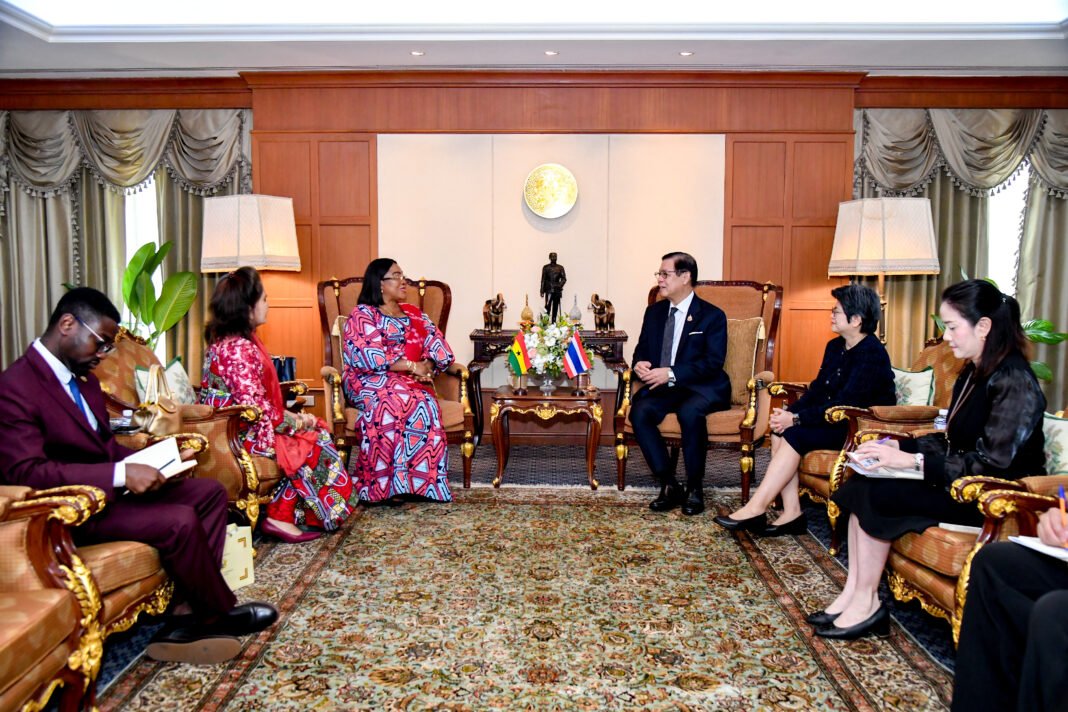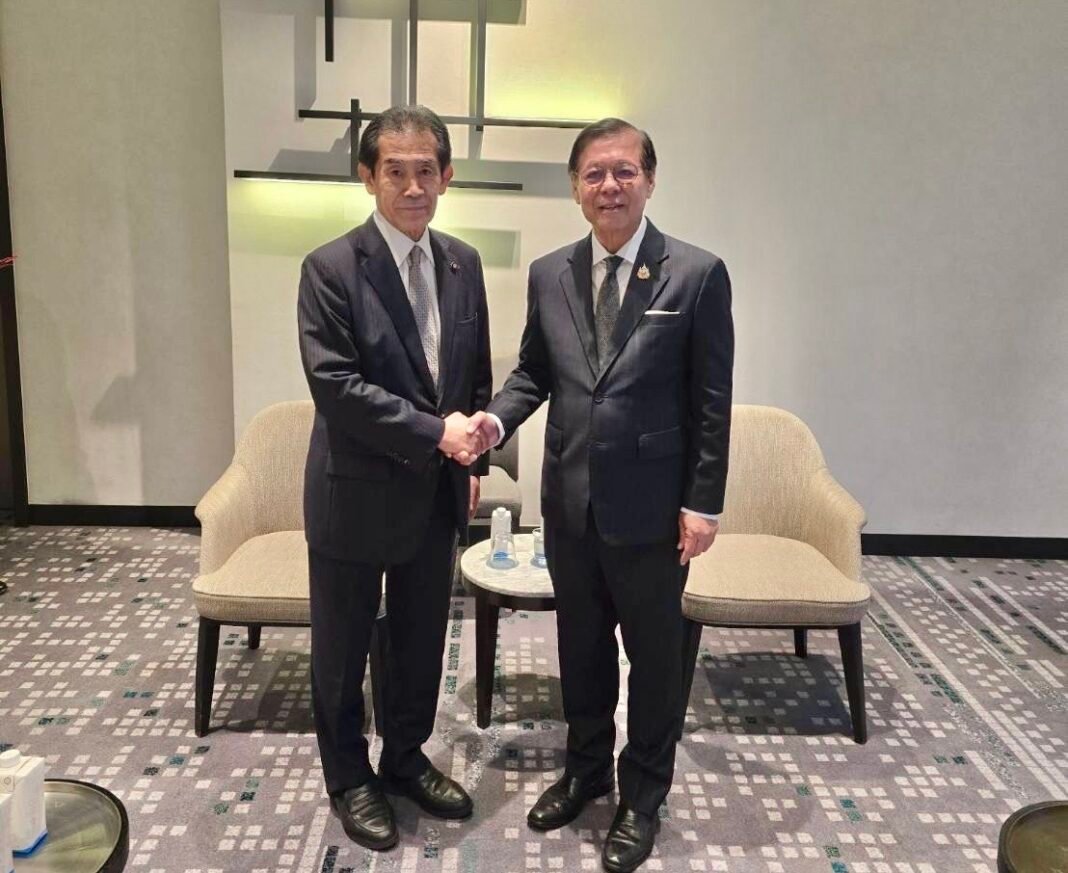
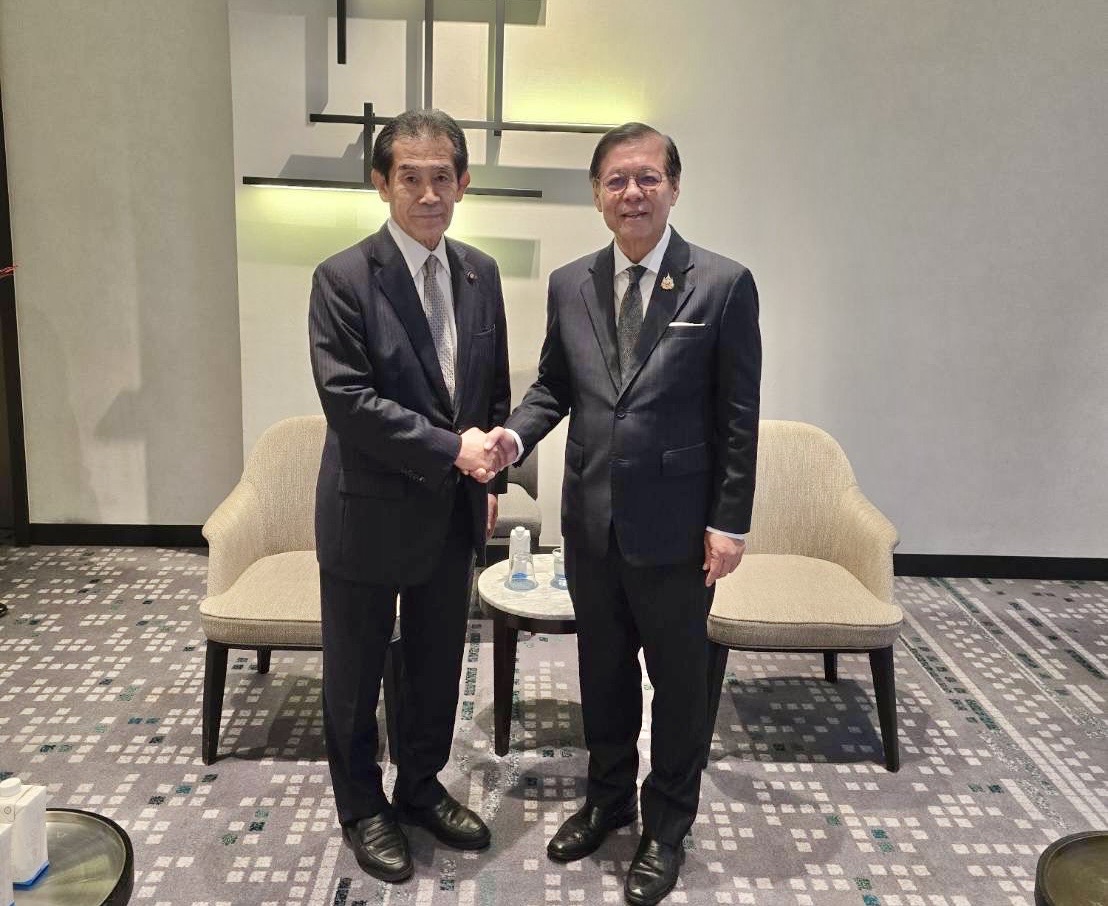
The foreign ministry readout describes On 15 October 2026, Deputy Prime Minister and Minister of Foreign Affairs Sihasak Phuangketkeow met with Chairman of the Japan–Thailand Parliamentarians Friendship Group Aisawa Ichiro. This meeting, as outlined in a Ministry of Foreign Affairs press release, is focused on promoting Thailand–Japan relations as a Comprehensive Strategic Partnership. The statement explicitly details an agreement to capitalize on the 140th anniversary of diplomatic relations in 2027 as an opportunity to deliver more concrete outcomes across all sectors of cooperation. This represents a continuation of Thailand’s efforts to strengthen its alliances within the region, particularly with Japan, a key economic and security partner.
Background
The Ministry of Foreign Affairs’ stated objective of a “Comprehensive Strategic Partnership” reflects a sustained effort over recent years to elevate Thailand’s relationships with key international partners. Previous engagements, including a meeting with the Brazilian Foreign Minister in September 2026 and a visit by the UK Foreign Secretary in October 2026, demonstrate this broader diplomatic strategy. The 20-Year “5S” Foreign Affairs Masterplan, a core element of Thailand’s foreign policy, prioritizes security, stability, sustainability, and strategic partnerships, aligning with the current focus on deepening ties with Japan. The reference to the 140th anniversary of diplomatic relations establishes a specific timeline for achieving tangible progress, grounding the discussion in a shared historical milestone.
Analysis
The Thai government’s emphasis on supporting Japanese investment signals a deliberate strategy to attract foreign capital and technology, particularly in emerging industries. This aligns with the broader “5S” framework, prioritizing sustainability and economic growth. The agreement to leverage the anniversary year for “more concrete and tangible outcomes” suggests a move beyond symbolic gestures towards demonstrable results. The exchange of views on regional developments indicates an awareness of Thailand’s role within the Southeast Asian geopolitical landscape, potentially referencing ongoing tensions in the South China Sea or broader security concerns in the Indo-Pacific. The meeting’s focus on local government and regional cooperation suggests a desire to foster greater economic integration within Thailand itself, a common theme across the Ministry’s policy statements.
Implications
For policymakers, the meeting reinforces the Thai government’s commitment to a multilateral approach to foreign policy. Should the visit yield further commitments regarding investment and cooperation, it would bolster Thailand’s economic prospects and strengthen its position within the region. The emphasis on regional developments implies a potential role for Thailand in mediating or influencing regional security dynamics. The agreement to promote economic cooperation between local governments could catalyze regional development initiatives, particularly in border areas. The continued focus on Japan as a strategic partner has implications for Thailand’s defense posture and security alliances, potentially strengthening collaboration in areas such as maritime security and counter-terrorism.
Outlook
If the visit yields a concrete framework for investment promotion, Thailand could experience a surge in foreign direct investment, particularly in sectors aligned with the government’s industrial strategy. Should the Japanese government demonstrate increased interest in participating in Thailand’s infrastructure projects – a key area of investment – this would accelerate economic development. The discussion on regional developments suggests Thailand may seek a greater role in ASEAN diplomacy, potentially advocating for a more unified regional approach to addressing shared challenges. The meeting’s focus on local government cooperation could provide a platform for addressing regional disparities and promoting sustainable development across Thailand’s diverse regions.
Conclusion
The meeting with the Japanese Parliamentarian Friendship Group underscores Thailand’s continued prioritization of strategic partnerships, but the ultimate success of these efforts will hinge on translating dialogue into actionable commitments. The extent to which Thailand can secure tangible benefits from this relationship – particularly in the realm of investment and regional influence – remains to be seen.
Sources & Further Reading
- Official press release
- Foreign ministry source
- Deputy Prime Minister and Minister of Foreign Affairs to pay official visit to Lao PDR (30 Sep 202)
- Deputy Prime Minister and Minister of Foreign Affairs meets with the Minister of Foreign Affairs of the Federative Republic of Brazil during his official visit to Thailand (11 Sep 202)
- Deputy Prime Minister and Minister of Foreign Affairs meets with UK Foreign Secretary to strengthen Thailand–UK strategic partnership (16 Oct 202)