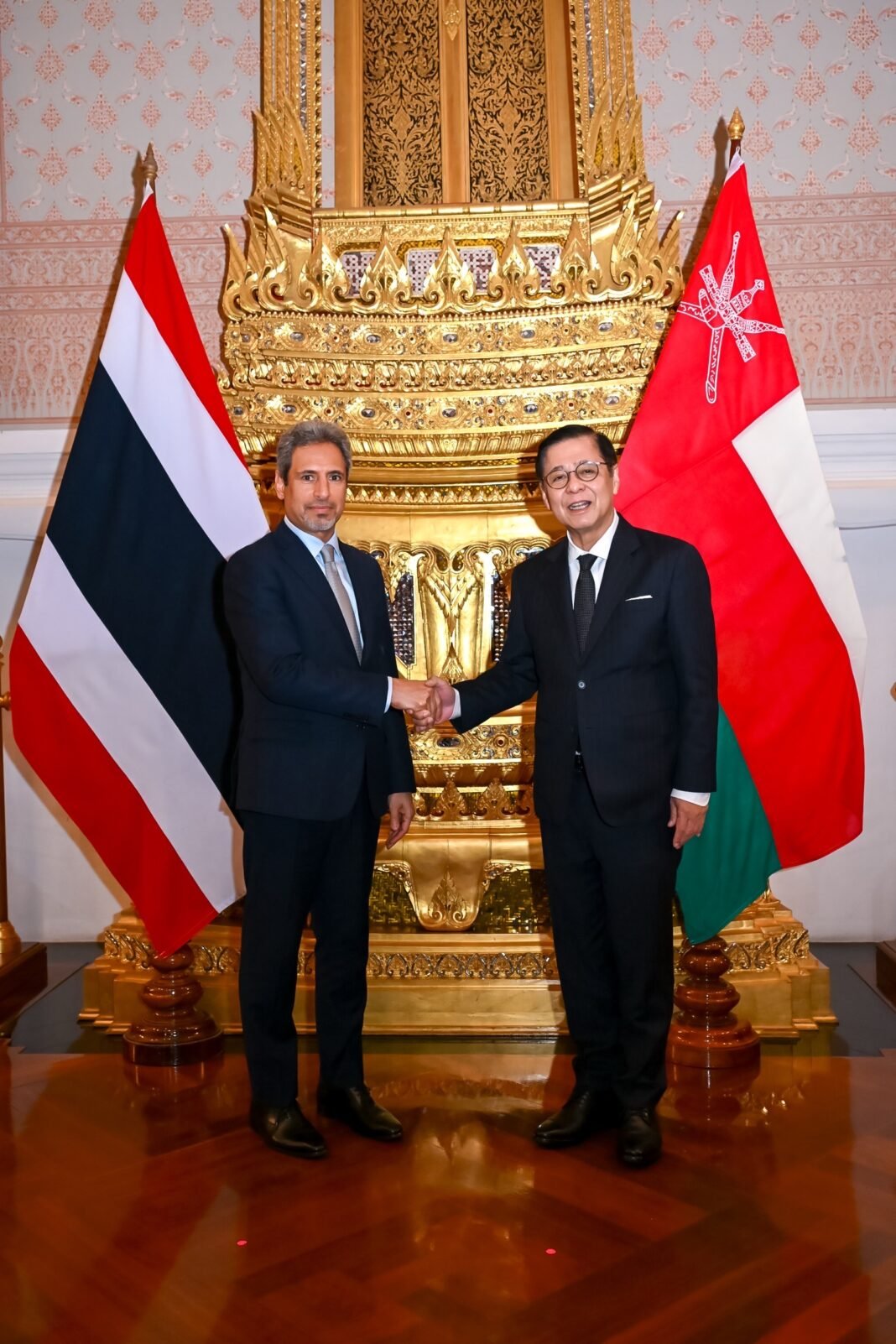
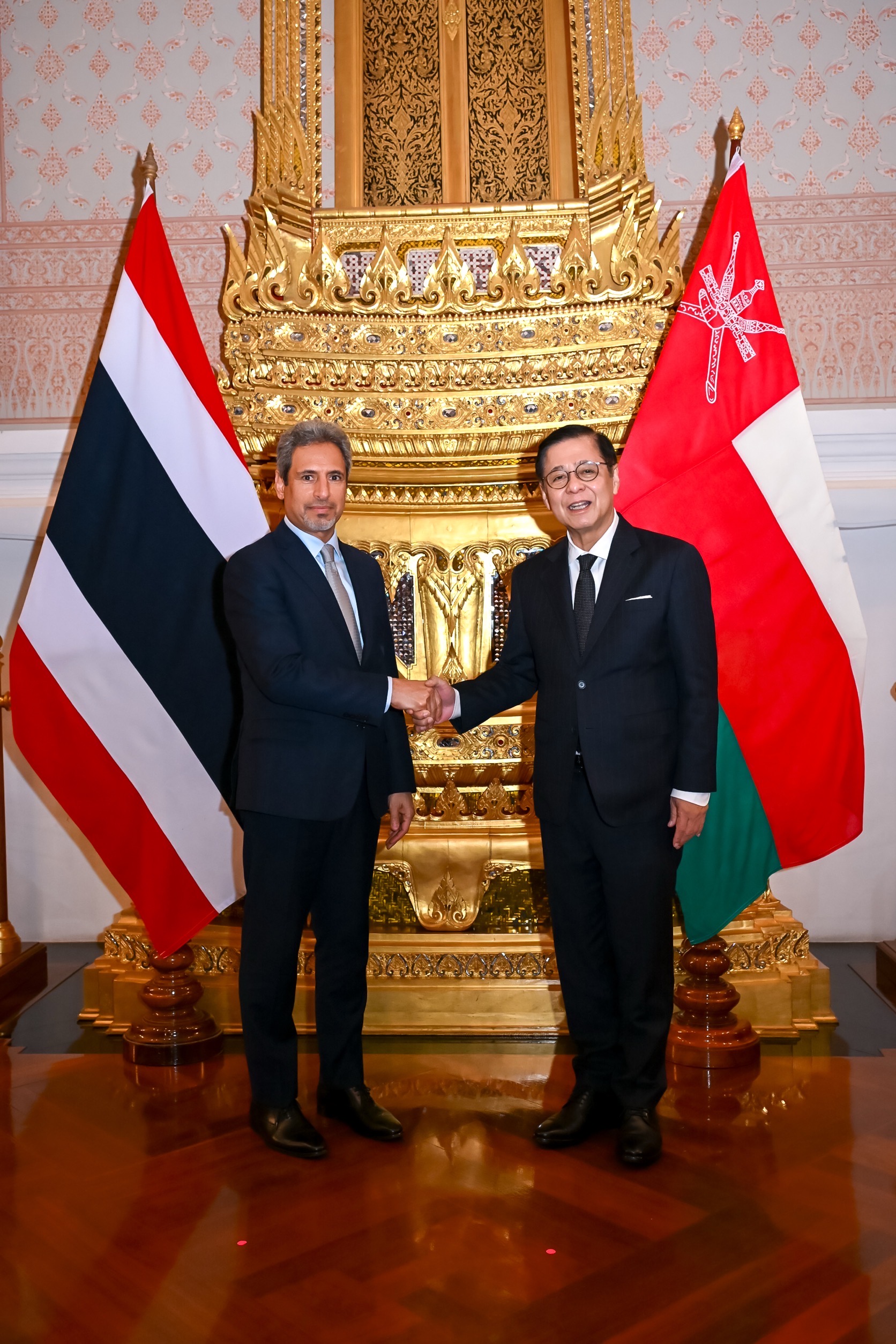
The foreign ministry readout describes On 16 September 2026, the Deputy Prime Minister and Minister of Foreign Affairs of Thailand, Sihasak Phuangketkeow, hosted a dinner in honour of Eng. Salim bin Nasser bin Said Al Aufi, the Minister of Energy and Minerals of the Sultanate of Oman. This event, occurring in the context of Gastech 2026, underscores a strategic priority for Thailand: strengthening its partnerships to address evolving energy challenges. The statement does not mention the specific tensions in the Middle East, but recognizes their significance in shaping Thailand’s energy security strategy.
Background
Prior to this dinner, the Thai Ministry of Foreign Affairs has consistently pursued a policy of diversifying its energy partnerships. The ‘5S’ Foreign Affairs Masterplan, launched in 2020, explicitly identifies “Strengthening Strategic Partnerships” as a core pillar. The 20-Year “5S” Foreign Affairs Masterplan aims to promote a comprehensive approach to foreign policy, encompassing diplomacy, economic cooperation, and security arrangements. The statement does not address the details of the Gastech 2026 event itself, only noting its attendance by the Omani minister.
Furthermore, the ministry’s previous engagements, including a working visit to Malaysia in September 2026 and a participation in the 5th Thailand – Singapore Leaders’ Retreat in September 2026, demonstrate a sustained commitment to building bilateral relationships within the Southeast Asian region. These prior statements highlight a pattern of proactive engagement with key partners, indicating a deliberate effort to consolidate Thailand’s position in regional energy dialogues. The statement does not mention any specific disagreements or disputes that may have influenced this diplomatic activity.
Analysis
The focus on “energy challenges amid ongoing tensions in the Middle East” suggests a deliberate framing of the situation by the Thai government. This phrasing avoids directly referencing any particular conflict, instead utilizing a more generalized description of regional instability. The signing of the MoU on Energy Cooperation between Thailand and Oman represents a tangible step towards formalizing this strategic alignment. The presence of executives from Thai and Omani energy companies – PTT, PTTEP, Gulf Development, Energy Development Oman, OQ Gas Networks, and Integrated Gas Company – indicates a desire to translate this MoU into concrete operational collaborations. This signals a prioritization of practical engagement over purely rhetorical declarations.
The invitation extended to these private sector representatives reflects a broader Thai strategy of leveraging private sector expertise to bolster energy security. The emphasis on “enhancing energy, food, and maritime security” reveals a recognition of interconnected vulnerabilities. Thailand’s geographic location and dependence on maritime trade routes make it particularly susceptible to disruptions in these sectors. The statement does not address the potential implications of this cooperation for Thailand’s trade balance or its role in regional supply chains.
Implications
For Thailand, the strengthening of this partnership with Oman has implications for its energy diversification strategy. Should the MoU be successfully implemented as described, it could reduce Thailand’s reliance on traditional energy suppliers. The increased cooperation also carries potential geopolitical implications, positioning Thailand as a key player in regional energy dialogues and potentially influencing broader regional security dynamics. The statement does not mention the potential impact on Thailand’s relations with other regional powers, such as China or Vietnam.
Regionally, the enhanced collaboration between Thailand and Oman could contribute to greater stability in the Strait of Hormuz, a vital waterway for global trade. However, the continued tensions in the Middle East remain a significant underlying risk. The statement does not address the potential for these tensions to disrupt energy supplies or exacerbate regional instability.
Outlook
If the signing of the MoU on Energy Cooperation is followed by concrete investment and operational agreements, Thailand could achieve a significant step towards securing its energy future. Should the cooperation be successfully implemented, Thailand could become a more reliable partner for Oman in the region. Conversely, if the agreement stalls due to unforeseen geopolitical developments or disagreements over technical details, the strategic alignment could weaken, leaving Thailand vulnerable to energy supply disruptions. The statement does not provide a timeline for the implementation of the MoU or outline any contingency plans in case of delays.
Conclusion
The dinner and the signing of the MoU represent a discrete, if strategically important, move by Thailand. However, the statement does not reveal the level of commitment from either side, nor does it address the broader context of regional instability. The true test of this partnership will be the subsequent implementation of the MoU’s provisions, a process which remains, at this point, entirely undefined.
Sources & Further Reading
- Official press release
- Foreign ministry source
- Deputy Prime Minister and Minister of Foreign Affairs attends a meeting between the Prime Minister and foreign Ambassadors and Consuls-General to Thailand (7 Sep 2026)
- Deputy Prime Minister and Minister of Foreign Affairs to pay a working visit to Malaysia (4 Sep 2026)
- Deputy Prime Minister and Minister of Foreign Affairs joins the Prime Minister in attending the 5th Thailand – Singapore Leaders' Retreat (2 Sep 2026)