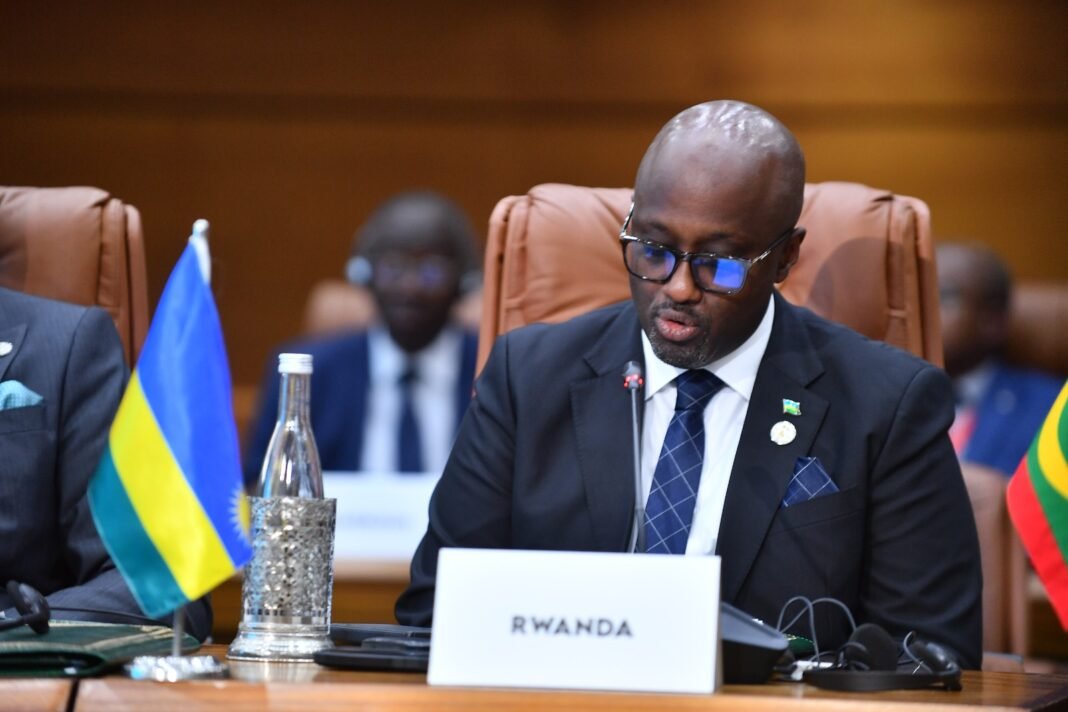
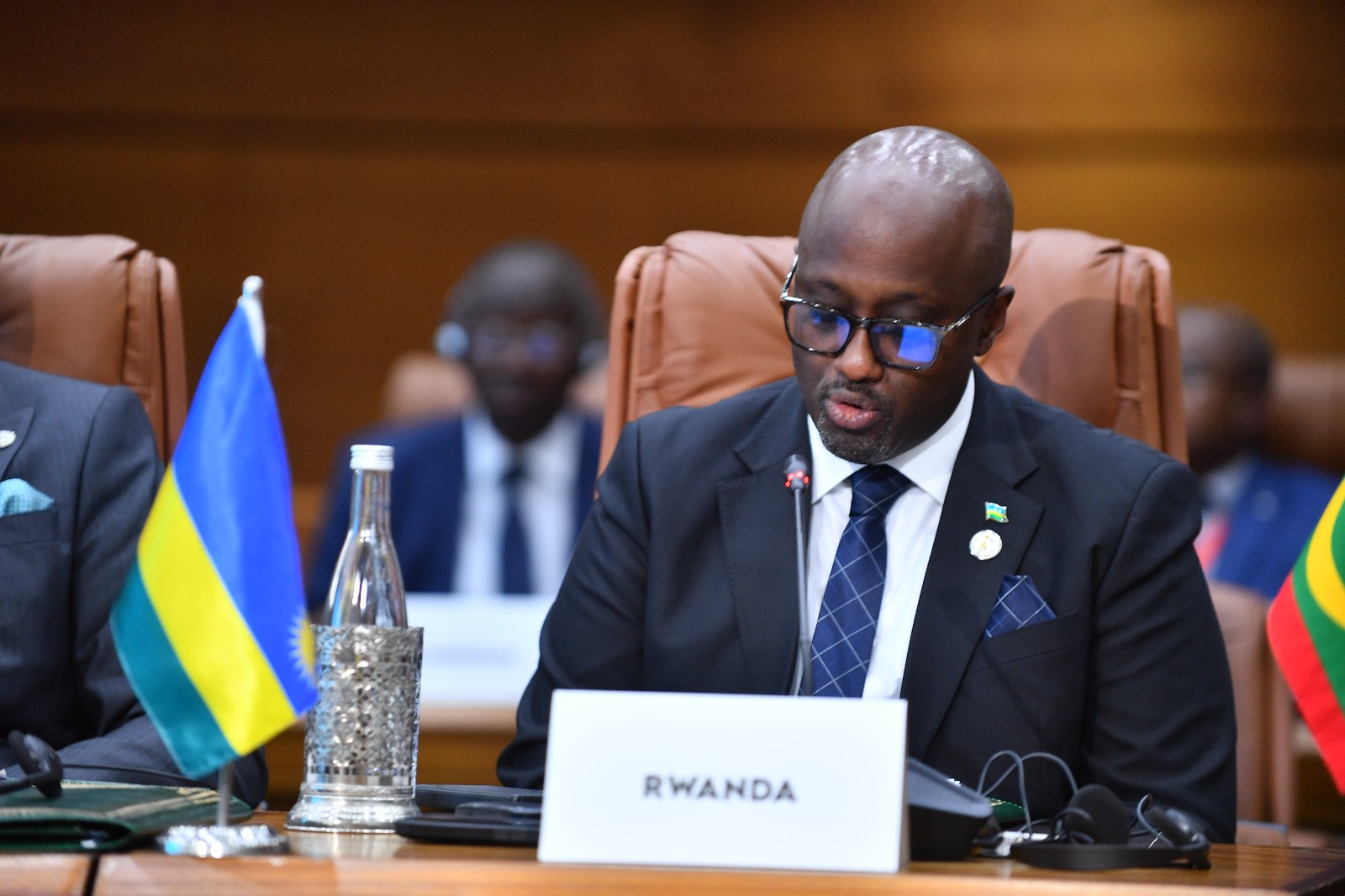
Details in a press release show that Rwanda’s Minister of Foreign Affairs and International Cooperation, Olivier J.P. Nduhungirehe, participated in the 2nd Ministerial Conference on Maintaining Peace in Francophone Environments held in Rabat on 20 May 2026. This event, ten years after the first conference in Paris, reflects a renewed commitment to addressing evolving challenges within Francophone operational environments. The statement highlights a shift towards proactive conflict prevention alongside traditional peacekeeping roles, acknowledging the complexities of contemporary conflicts.
Background: The conference convened under the banner “Maintaining peace and security internationally in a changing world: new challenges for peacekeeping operations in francophone environments.” This established ten years since the initial Paris gathering, signifying a period of ongoing reflection and adaptation within the framework of Francophone peacekeeping efforts. The statement references key international legal instruments – the Convention de l’OUA (Organization of African Unity) of 1977 prohibiting mercenary activity and the UN International Convention against the Recruitment, Use, Financing and Training of Mercenaries of 1989 – demonstrating a continued focus on combating illicit actors within conflict zones. The statement names several ongoing operations where Rwanda is involved: MINUSCA in the Central African Republic, MINUEM in Haiti, and MINAMAL in Mali, illustrating the breadth of its engagement across Francophone Africa.
Analysis: The core of the statement reveals a growing recognition of the limitations inherent in traditional peacekeeping models. The acknowledgement of “asymmetric conflicts,” “proliferation of armed groups,” and the use of “mercenaries” suggests Rwanda has observed firsthand the shortcomings of simply deploying troops to stabilize already volatile situations. This is coupled with an understanding that these challenges extend beyond direct military intervention, encompassing the insidious impact of “disinformation” and “hate speech,” amplified by digital technologies. The statement’s emphasis on a “broader vision of the conflict cycle” – encompassing prevention, peacekeeping, and consolidation – indicates a strategic shift away from purely reactive responses towards a more holistic approach. This suggests Rwanda is attempting to address the root causes of instability rather than simply managing symptoms. The inclusion of the Groupe des Sages de l’Union africaine (African Elders Forum) and early warning mechanisms signals an interest in leveraging regional preventative structures, reflecting a move towards collaborative risk management.
Implications: For policymakers, this conference represents an opportunity to reassess Rwanda’s role within Francophone peacekeeping and beyond. The emphasis on prevention necessitates increased investment in conflict analysis, intelligence gathering, and diplomatic engagement – areas that have historically been under-resourced. This recalibration could affect regional stability, particularly if Rwanda’s proactive approach leads to greater involvement in previously avoided conflicts. Furthermore, the focus on sustainable financing underscores a potential tension between immediate operational needs and long-term strategic goals. The continued commitment to operations like MINUSCA highlights ongoing obligations, while the pursuit of bilateral initiatives—such as the experience in Cabo Delgado, Mozambique—demonstrates a willingness to adapt responses to specific contexts.
Outlook: Should Rwanda’s investment in preventative measures yield demonstrable results – specifically, if early warning systems effectively anticipate and mitigate crises – then its peacekeeping operations could become increasingly targeted and effective. However, should these efforts fail to prevent escalation or if funding remains insufficient to support comprehensive interventions, then the Rwandan commitment to Francophone peace could be strained. The statement’s call for a stronger partnership between the UN and the African Union through the implementation of Resolution 2719 suggests a potential pathway forward, but its success hinges on overcoming existing bureaucratic hurdles and securing sustained political will.
Conclusion: The Rabat conference reveals Rwanda’s persistent commitment to international peace and security, yet frames that commitment within a rapidly evolving operational landscape. The question remains: can Rwanda successfully translate this broadened strategic vision into tangible outcomes, or will it continue to grapple with the inherent complexities of protracted conflicts in Francophone Africa?