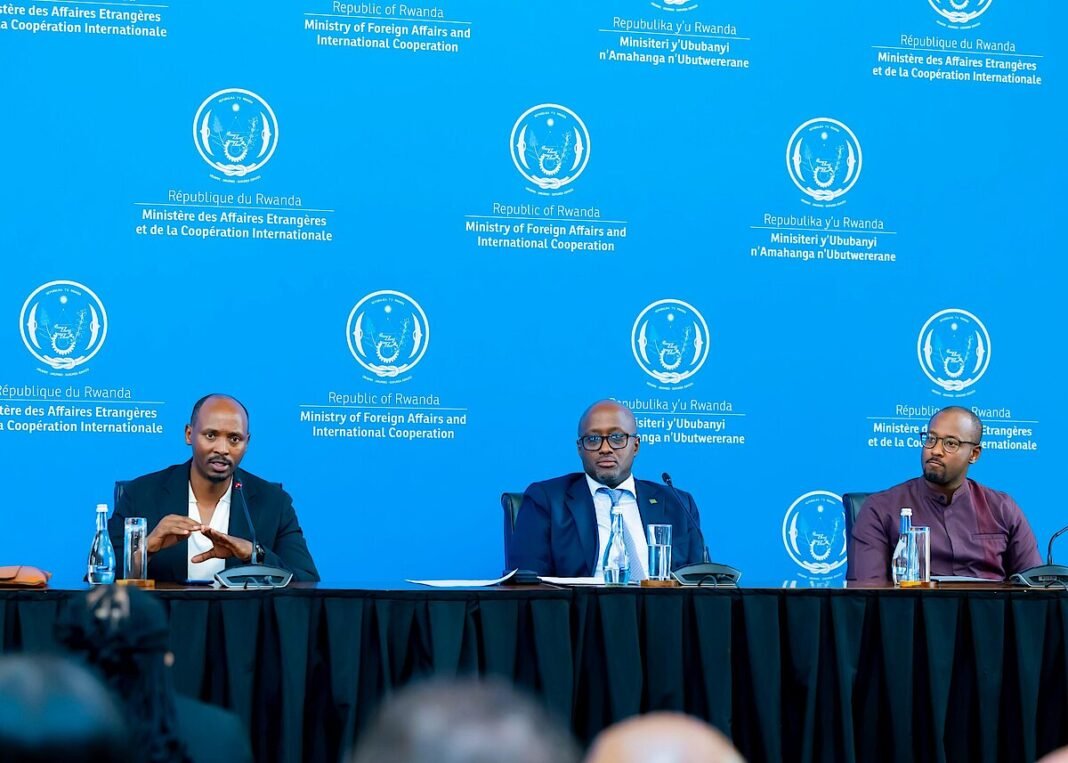
A ministry communiqué confirms that Rwanda convened a diplomatic briefing on August 21, 2026, involving the Ministers of Foreign Affairs, Health, and Trade, to share information regarding efforts to combat illicit alcoholic beverages. This event matters because it represents a formalized effort to engage international partners on a persistent challenge within the country – the availability and consumption of unregulated alcohol. The statement does not mention the specific scale of the illicit market, but the government’s commitment to addressing this issue is a key component of its broader strategy to bolster public health and societal resilience.

Background
The briefing followed the receipt of letters of credence by the Ambassador-designate of Sweden to Rwanda on September 11, 2026, and the Ambassador-designate of the European Union to Rwanda on September 10, 2026, as reported in the statement. Simultaneously, Rwanda and Oman signed two agreements and six MoUs on September 9, 2026, demonstrating a wider diplomatic engagement. Furthermore, the Government of Rwanda held political consultations with Switzerland on September 1, 2026, and participated in the 26th Extraordinary Session of the Executive Council of the African Union on August 31, 2026, alongside meetings with UN officials and South Africa’s High Commissioner-Designate. These activities highlight Rwanda’s active diplomatic agenda.
Analysis
The government’s focus on illicit alcoholic beverages suggests an understanding of the potential public health consequences associated with unregulated alcohol consumption. This approach aligns with broader efforts to strengthen societal resilience, as stated in the briefing. The engagement with diplomatic partners indicates a recognition of the need for international cooperation to address this issue. The simultaneous signing of agreements with Oman and Switzerland suggests a diversified strategy for economic and political engagement, potentially leveraging trade and diplomatic influence to support domestic initiatives. The move to convene a diplomatic briefing is a deliberate tactic to solicit support from key international partners, highlighting a willingness to share information and seek assistance.
Implications
The government’s efforts to combat illicit alcoholic beverages have significant implications for regional stability. Addressing this issue could reduce the potential for cross-border crime and illicit trade, contributing to greater security in the region. The engagement with international partners could also bolster Rwanda’s diplomatic standing and influence within regional and international forums. The trade agreements with Oman further suggest a strategy to diversify Rwanda’s economy and enhance its trading relationships, potentially creating new opportunities for economic growth.
Outlook
Should the visit with the Swiss delegation yield a collaborative framework for information sharing and potential technical assistance, Rwanda could strengthen its capacity to monitor and regulate the alcohol market. If the engagement with Oman proves fruitful, it could lead to increased trade and investment opportunities. The government’s commitment to addressing illicit alcoholic beverages, if sustained, could contribute to a more stable and resilient society.
Conclusion
The diplomatic briefing represents a concerted effort to tackle a complex challenge, but the statement does not address the underlying drivers of illicit alcohol consumption or the potential for resistance from vested interests within the sector. The government’s success will depend on its ability to build a broad coalition of support and implement effective enforcement measures.