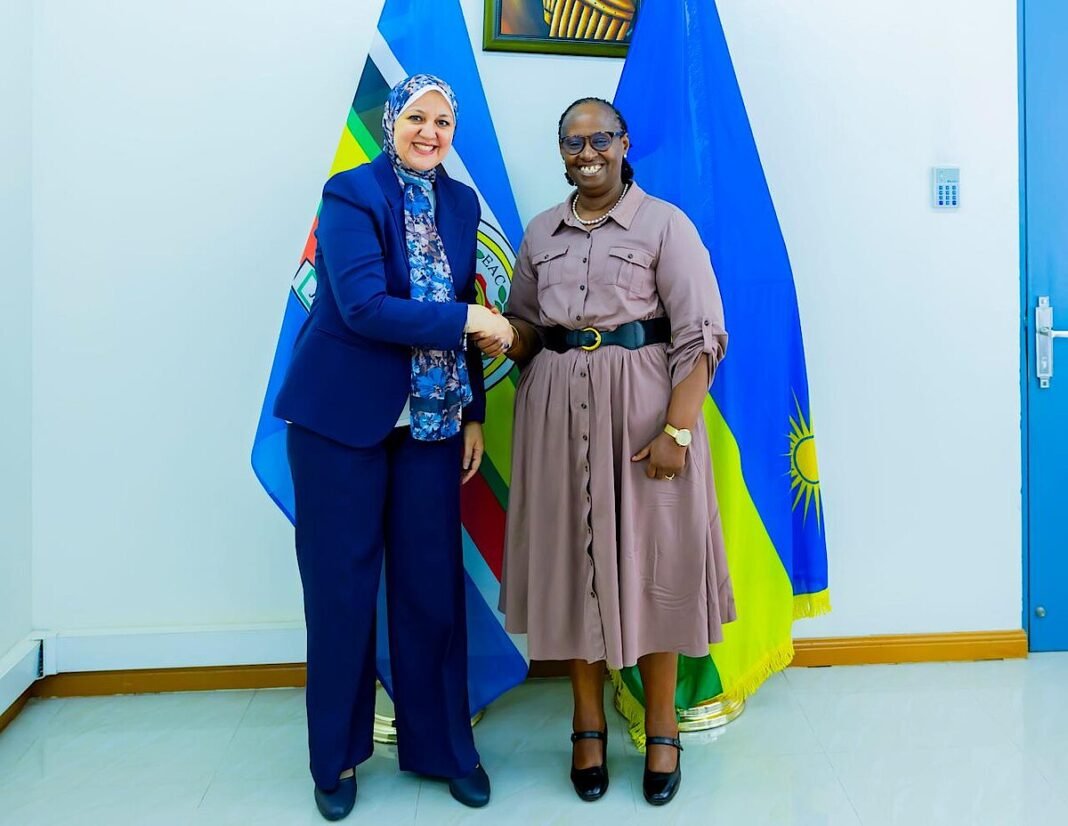
Reporting in a government statement, Kigali, 17 September 2026 – Minister of State Dr. Usta Kaitesi received H.E. Hanan AbdelAziz Elsaid Shahin, Ambassador of the Arab Republic of Egypt to Rwanda. This meeting, focused on strengthening bilateral cooperation and advancing collaboration on multilateral affairs of mutual interest, reflects a pattern of engagement by Rwandan officials with diplomatic representatives from various nations. The statement does not mention the specific topics discussed during the meeting, but it highlights a continued effort to cultivate partnerships across diverse international actors.

Background
Minister of State Dr. Usta Kaitesi’s pattern of receiving letters of credence from ambassadors-designate underscores Rwanda’s commitment to formalizing diplomatic relations. Recent statements detail similar engagements with representatives from the UN Women Regional Director, the EU, Korea, Sweden, and Oman. These meetings, occurring over the course of September 2026, demonstrate a sustained diplomatic activity within the Ministry of Foreign Affairs and Cooperation. The statement does not address the specific nature of the relationships being fostered or the strategic goals underpinning this diplomatic outreach.
Analysis
The consistent pattern of meetings suggests a deliberate strategy on the part of Rwanda to broaden its international partnerships. The focus on “bilateral cooperation” and “multilateral affairs of mutual interest” indicates an openness to collaboration across a range of sectors. The engagement with Egypt, following prior agreements with Oman, Switzerland, and the EU, reflects a pragmatic approach to securing economic and political advantages. The statement does not address whether these partnerships are driven by specific economic considerations or geopolitical objectives. The inclusion of UN Women and the African Union within the scope of discussions suggests a commitment to regional stability and development initiatives.
Implications
Rwanda’s sustained engagement with a diverse cohort of diplomatic envoys carries implications for regional stability and trade. Increased collaboration with European nations, particularly Egypt, could facilitate investment and technology transfer. The continued pursuit of multilateral partnerships aligns with Rwanda’s stated goals of promoting peace and security within the Great Lakes region. Should Rwanda successfully leverage these relationships, it could strengthen its position within international forums and enhance its influence on regional affairs. The statement does not address the potential impact of these partnerships on Rwanda’s trade relations or its security posture.
Outlook
If the visit yields further agreements on infrastructure development, as evidenced by the ongoing discussions with Oman, Rwanda could accelerate its ambitious plans for railway modernization. Should the momentum from these meetings translate into concrete projects, it would represent a significant step towards enhancing regional connectivity. The continued engagement with the EU, particularly if focused on sustainable development initiatives, could support Rwanda’s efforts to diversify its economy. The statement does not mention any specific outcomes or commitments resulting from the meeting.
Conclusion
The consistent diplomatic activity surrounding Minister Kaitesi’s meetings suggests a sustained prioritization of international partnerships. The precise nature and impact of these engagements remain, however, largely undefined, leaving open the question of Rwanda’s strategic priorities within the evolving landscape of global diplomacy.