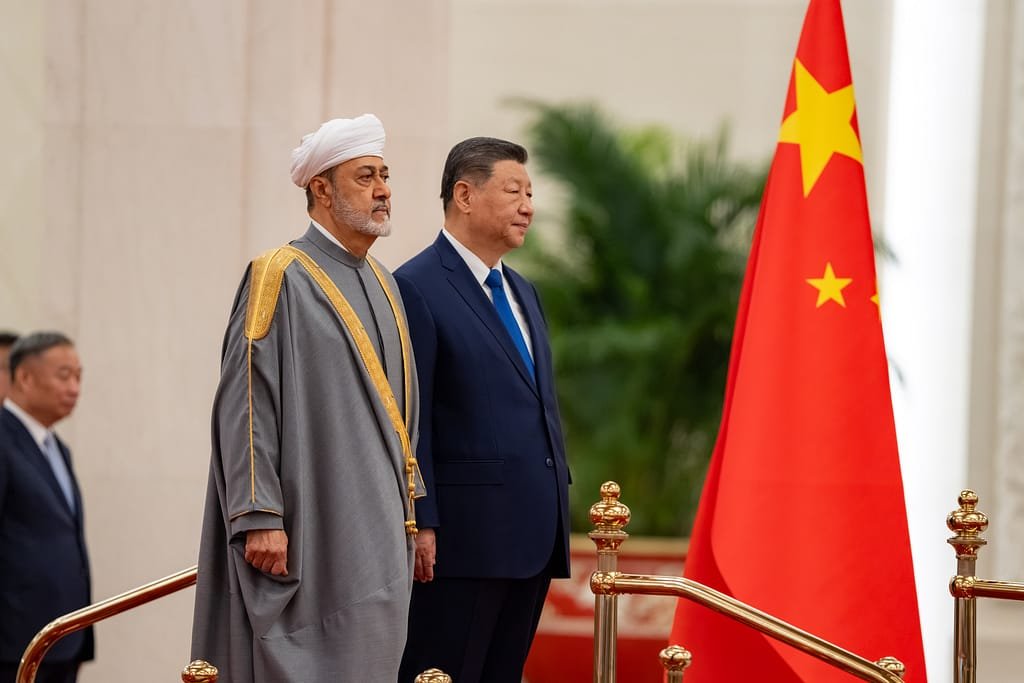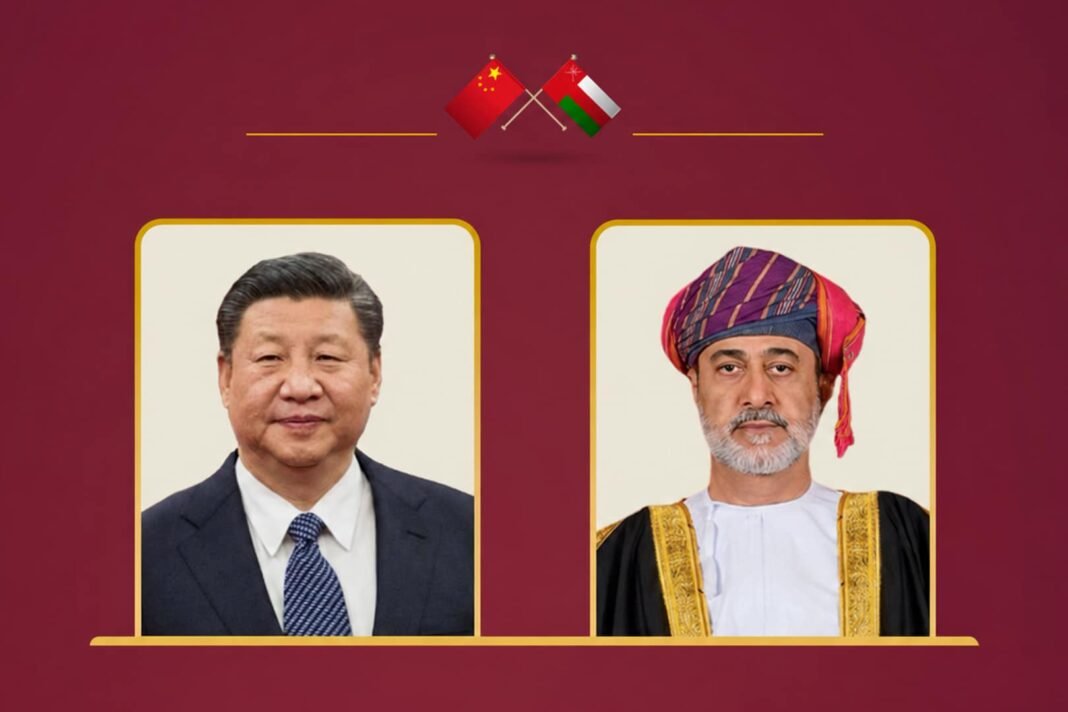
The official readout frames the trip as His Majesty Sultan Haitham bin Tarik met this morning with President Xi Jinping of the People’s Republic of China at the Great Hall of the People in Beijing, a meeting focused on bolstering existing cooperation and exploring new avenues for joint ventures. This engagement, occurring as part of His Majesty’s state visit, highlights a key strategic priority for Oman: solidifying its economic relationship with China, a nation already the Sultanate’s leading trading partner.
Background
The expanded official talks session represents a continuation of a trajectory established since diplomatic relations were formally established between Oman and China. Prior to this meeting, the statement does not mention any specific agreements or prior discussions. The meeting occurred within the broader context of China’s Belt and Road Initiative and Oman’s Vision 2040, aiming for integrated development priorities. The Ministry of Foreign Affairs, via the official statement, indicates a long-standing partnership characterized by rapid growth in economic, commercial, and investment fields.
Analysis
The discussions, as outlined in the statement, centre around several key areas of mutual interest. The focus on technology and innovation, artificial intelligence, energy, renewable energy, manufacturing industries, logistics, and digital trade reflects a strategic alignment with China’s global industrial ambitions. The emphasis on food security and strengthening integration between economic zones and ports underscores Oman’s ambition to leverage its geographical advantage—its maritime routes—as a strategic trade corridor. The Chinese President’s appreciation for Oman’s governance model, particularly its approach to economic development without political interference, suggests a desire for a stable and predictable partnership. The willingness to explore joint investment funds, particularly in renewable energy, advanced technologies, and space, indicates a willingness to diversify Oman’s economy beyond traditional hydrocarbon exports. The opening to a bilateral preferential trade and investment agreement with China demonstrates a proactive approach to further liberalizing trade relations.
Implications
This meeting carries significant implications for regional stability. Increased trade and investment between Oman and China could foster economic growth within Oman and potentially influence broader dynamics in the Gulf. The agreement to explore a preferential trade agreement with China could reshape trade flows within the region, potentially impacting relationships with other trading partners. The commitment to cooperation in advanced industries, particularly renewable energy and digital technologies, suggests a move towards a more diversified and technologically advanced economy for Oman. The focus on logistics and port development aligns with China’s broader strategic interests in securing access to global supply chains.
Outlook
Should the visit yield a commitment to establishing joint investment funds in strategic sectors, as suggested by the statement, Oman’s economic diversification efforts would gain significant momentum. If the bilateral preferential trade agreement is successfully negotiated, Oman could benefit from reduced tariffs and increased market access for its exports. However, the extent of this shift depends on the willingness of both parties to address potential regulatory hurdles and trade barriers. Should the Chinese President’s emphasis on a “partnership founded on trust” translate into concrete measures to protect Omani investments and intellectual property, it would further strengthen the bilateral relationship.
Conclusion
The meeting concludes with a renewed commitment to a partnership rooted in mutual benefit and strategic alignment, but the long-term success hinges on Oman’s ability to translate these aspirations into tangible economic outcomes. The question remains: can Oman effectively leverage its strategic location and burgeoning infrastructure to forge a truly transformative economic relationship with China, or will the partnership remain largely confined to existing trade patterns?