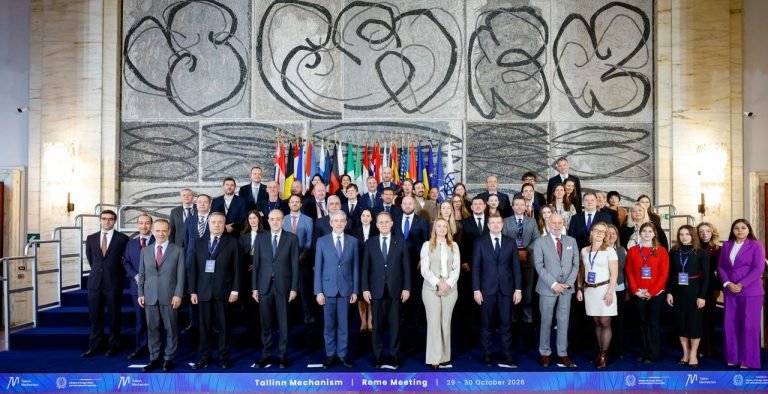
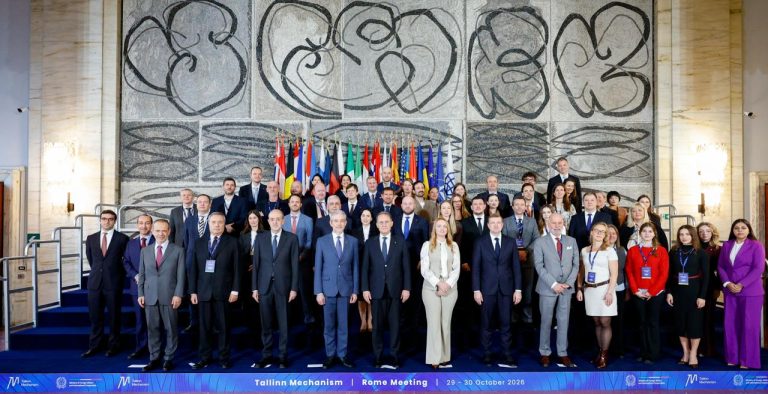
A ministry communiqué confirms that The October 30, 2026, meeting of the Tallinn Mechanism in Rome saw Italian Deputy Minister of Foreign Affairs, Edmondo Cirielli, reaffirm the country’s commitment to supporting Ukraine’s civilian cyber resilience. This event, convened by the Italian Chairship, highlighted the continued need to coordinate international assistance to Ukraine’s digital infrastructure, a critical component of its defense against Russia’s ongoing war. The stated goal – a “more solid digital infrastructure and for the benefit of all its citizens” – reflects the fundamental challenge facing Ukraine: maintaining functionality amidst sustained cyberattacks.
Background
The Tallinn Mechanism, launched in 2023, provides a framework for coordinating civilian cyber support to Ukraine. It unites member states, observers, donors, and technical experts to deliver timely assistance aligned with Ukraine’s most urgent needs. This biannual meeting, the second under Italian Chairship, represents a key element of the international response to the conflict. The release details a significant increase in funding – 32.4 million Euros – allocated for 2026, building on previous support coordinated through the Mechanism. This increase reflects a perceived escalation of cyber threats targeting Ukrainian infrastructure and the country’s ongoing defense efforts.
Analysis
The meeting’s focus on improving the Mechanism’s efficiency and effectiveness suggests a recognition of past shortcomings in the delivery of support. The emphasis on public-private partnerships, including invitations to companies and implementers, demonstrates an understanding of the need to diversify resources and expertise. The discussion of projects in Ternopil’ and Odesa, specifically targeting municipal-level cyber resilience, indicates a shift towards a more localized and granular approach to support – addressing vulnerabilities at the most immediate level. The welcoming of Spain as the 15th Member State and Japan as an Observer signifies a broadening international coalition, reflecting a growing awareness of the interconnectedness of cyber threats and the need for collective defense. The release does not address the underlying geopolitical motivations driving this sustained support; the continued commitment hinges on the perception of a protracted conflict.
Implications
The increased funding and expanded membership of the Tallinn Mechanism have significant implications for regional stability. By bolstering Ukraine’s digital defenses, the Mechanism contributes to the country’s ability to resist Russian hybrid warfare tactics, which have proven effective in disrupting Ukrainian government services and critical infrastructure. Furthermore, the engagement of private sector partners – including pro-bono services – strengthens Ukraine’s broader recovery and reconstruction efforts, aligning with international efforts to rebuild the country’s economy. The renewed attention from countries like Japan as observers suggests a wider recognition of the importance of cybersecurity as a critical element of international security.
Outlook
Should the visit yield continued commitment from member states, the Tallinn Mechanism’s effectiveness will depend on its ability to adapt to evolving cyber threats. If Norway and Finland successfully assume the lead nations for the first semester 2027, ensuring continuity and further strengthening coordinated civilian cyber support to Ukraine, the mechanism could solidify its role as a key pillar of international assistance. If the current level of engagement persists, the Mechanism will continue to provide vital support, but its impact will remain constrained by the limited resources and the ongoing challenges of operating in a conflict zone. The statement does not address the long-term sustainability of this support given the evolving strategic landscape.