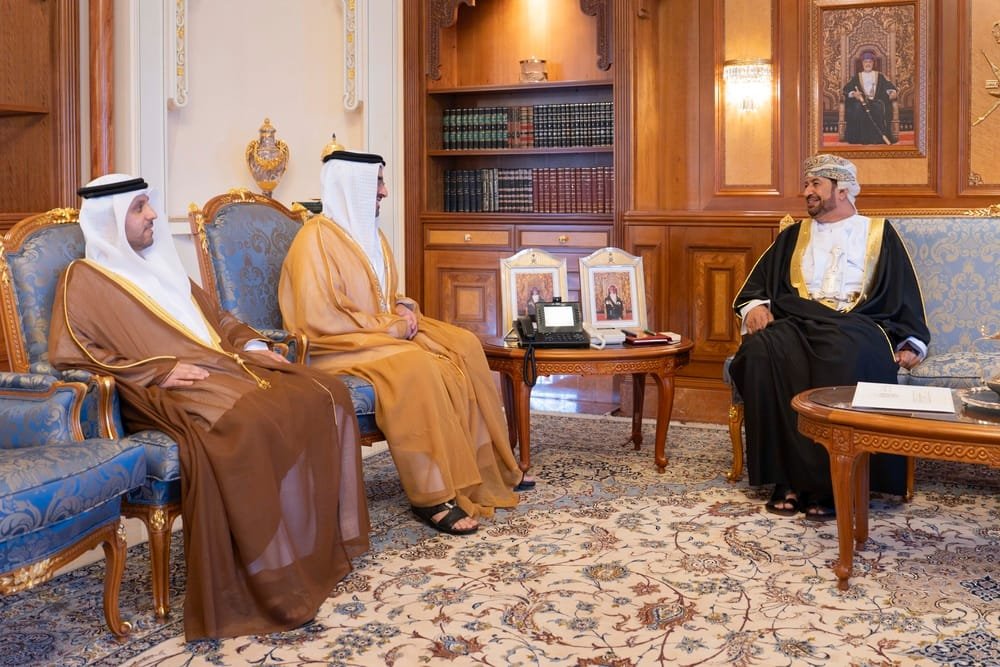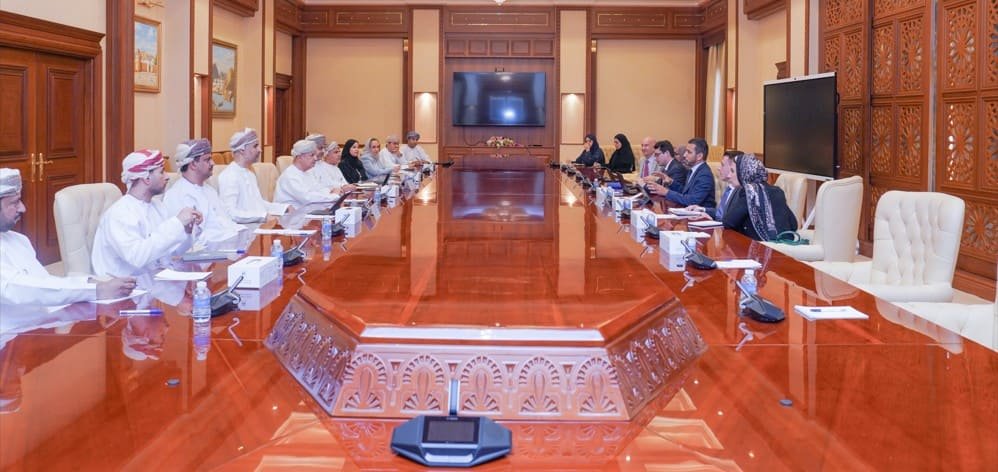
Per the government announcement, The International Monetary Fund projects a significant acceleration in Oman’s economic growth for 2026, forecasting a rise to 4.5%, according to a statement released at the conclusion of the IMF mission’s meetings with Oman (10 November 2026). This projection, driven by increased oil sector activity and continued non-oil sector expansion, matters because it represents a considerable upward revision following a period of moderate growth and reflects a degree of confidence in the Sultanate’s economic management. The IMF’s assessment underscores Oman’s ability to navigate geopolitical pressures, a critical factor given ongoing instability in the Middle East.

Background
The IMF mission visited Oman from October 25 to November 8, 2026, for Article IV consultations. These consultations covered economic developments and prospects, fiscal and monetary policies, banking sector performance, and economic reform priorities under Oman Vision 2040. The discussions occurred against a backdrop of ongoing geopolitical tensions in the Middle East, which the IMF acknowledges has been mitigated by Oman’s unaffected energy infrastructure and robust logistics activity. The statement references previous consultations, indicating a sustained engagement between the IMF and the Omani authorities. The mission focused on assessing the country’s economic resilience and the progress of Oman Vision 2040, a strategic framework for diversifying the economy.
Analysis
The IMF’s forecast hinges on continued growth in Oman’s oil sector, alongside a sustained 1.4% expansion in non-oil activities. This suggests an implicit endorsement of the Sultanate’s petroleum policies, though the statement does not address the specific details of those policies. The projected fiscal position—remaining strong with disciplined spending—is underpinned by surpluses, allowing investment in economic resilience and diversification. If implemented as described, this could bolster investor confidence. The IMF’s assessment of Oman’s current account surplus—around 6.5% of GDP—highlights the country’s competitiveness and trade dynamics. The statement does not address Oman’s debt levels, which were reported to be 30.4% of GDP at the end of June 2026. The IMF’s call for improvements to the macroprudential policy framework and strengthened crisis management arrangements reflects a recognition of potential vulnerabilities.
Implications
For policymakers, the IMF’s projections provide a framework for continued fiscal discipline and strategic investment. The forecast strengthens the rationale for pursuing economic diversification initiatives, particularly within the context of Oman Vision 2040. The projected current account surplus offers the government flexibility in managing public finances and potentially investing in infrastructure or social programs. The stability of the Omani rial’s exchange rate peg remains an appropriate and credible anchor for monetary policy, according to the IMF. The statement does not address any specific implications for regional trade or security, but the overall assessment suggests a positive outlook for Oman’s economic integration within the Gulf Cooperation Council.
Outlook
Should the visit yield a continued commitment to economic reform, the IMF’s forecasts could prove accurate. If Oman maintains its prudent fiscal policies and continues to attract foreign investment, the 4.5% growth rate could be realized. If geopolitical tensions escalate, the IMF’s forecast could be revised downwards, reflecting increased uncertainty. The IMF’s assessment of Oman’s banking sector as sound, with strong capital adequacy, suggests continued stability within the financial system.