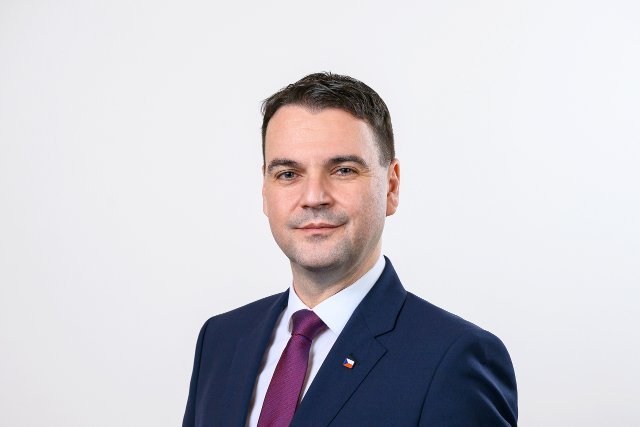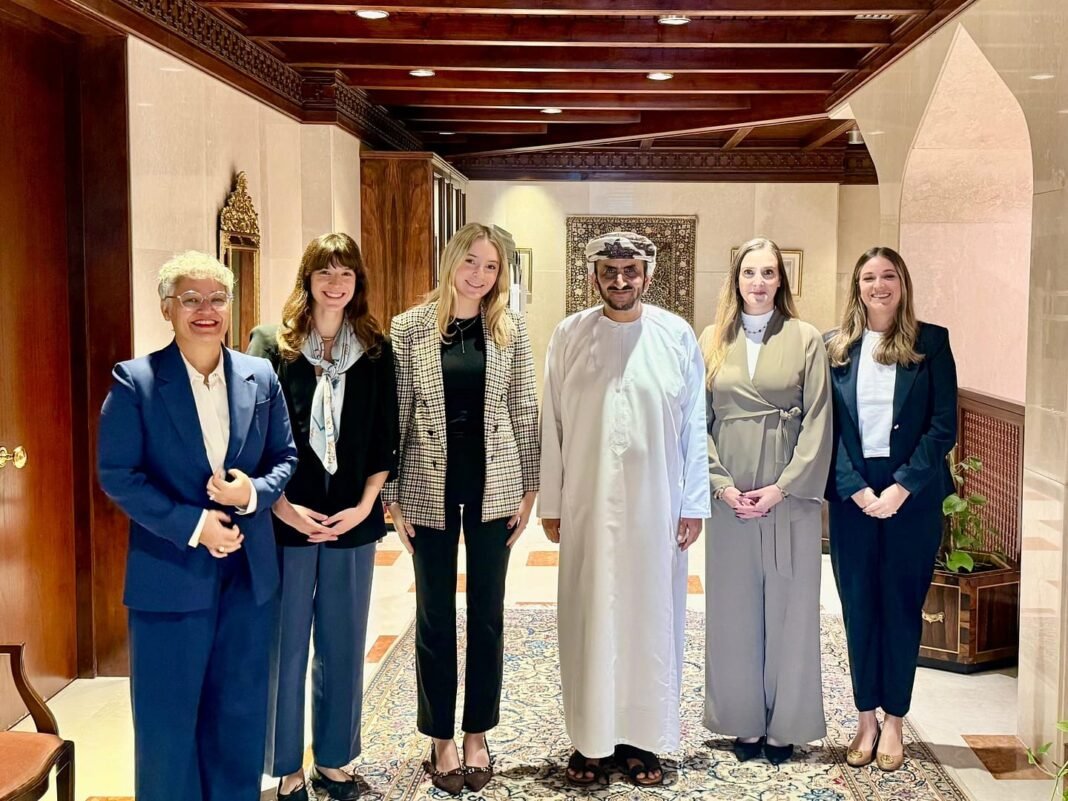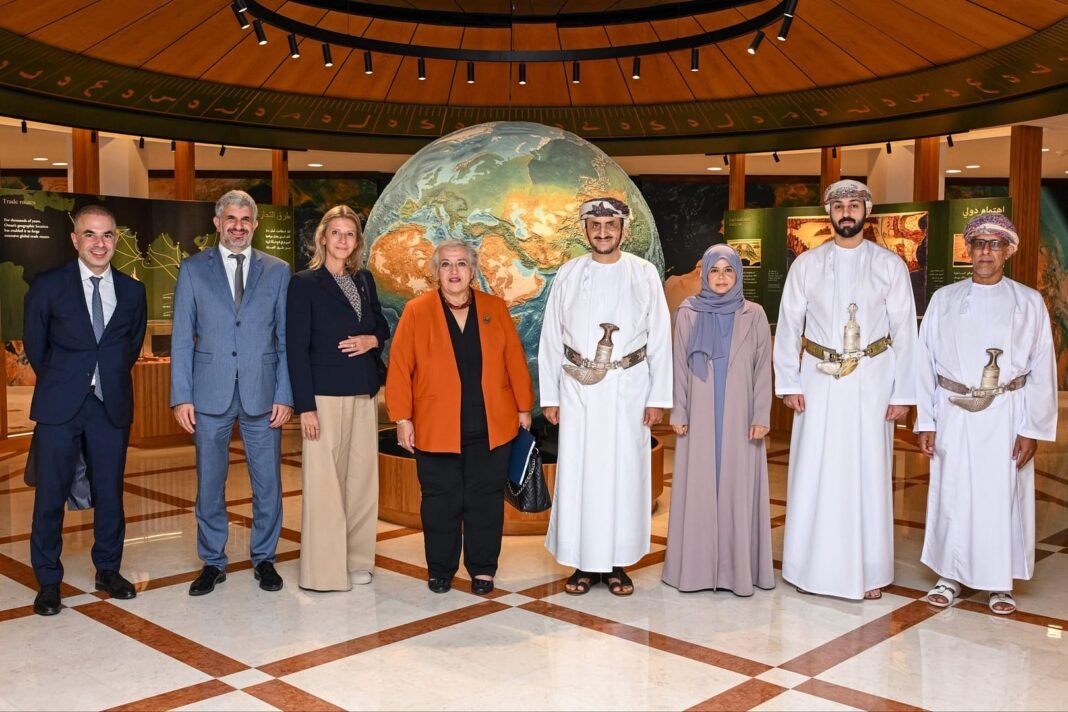
The Sultanate of Oman held the first round of political consultations with the Hellenic Republic on 12 October 2026, as announced by the Ministry of Foreign Affairs. This event matters because it establishes a formal channel for discussion between the two nations – a step not previously evident in the ministry’s public statements. The stated purpose, encompassing “friendly relations” and “expanding cooperation,” remains broad, offering limited insight into the potential scope of this engagement.; see the full statement.
Background
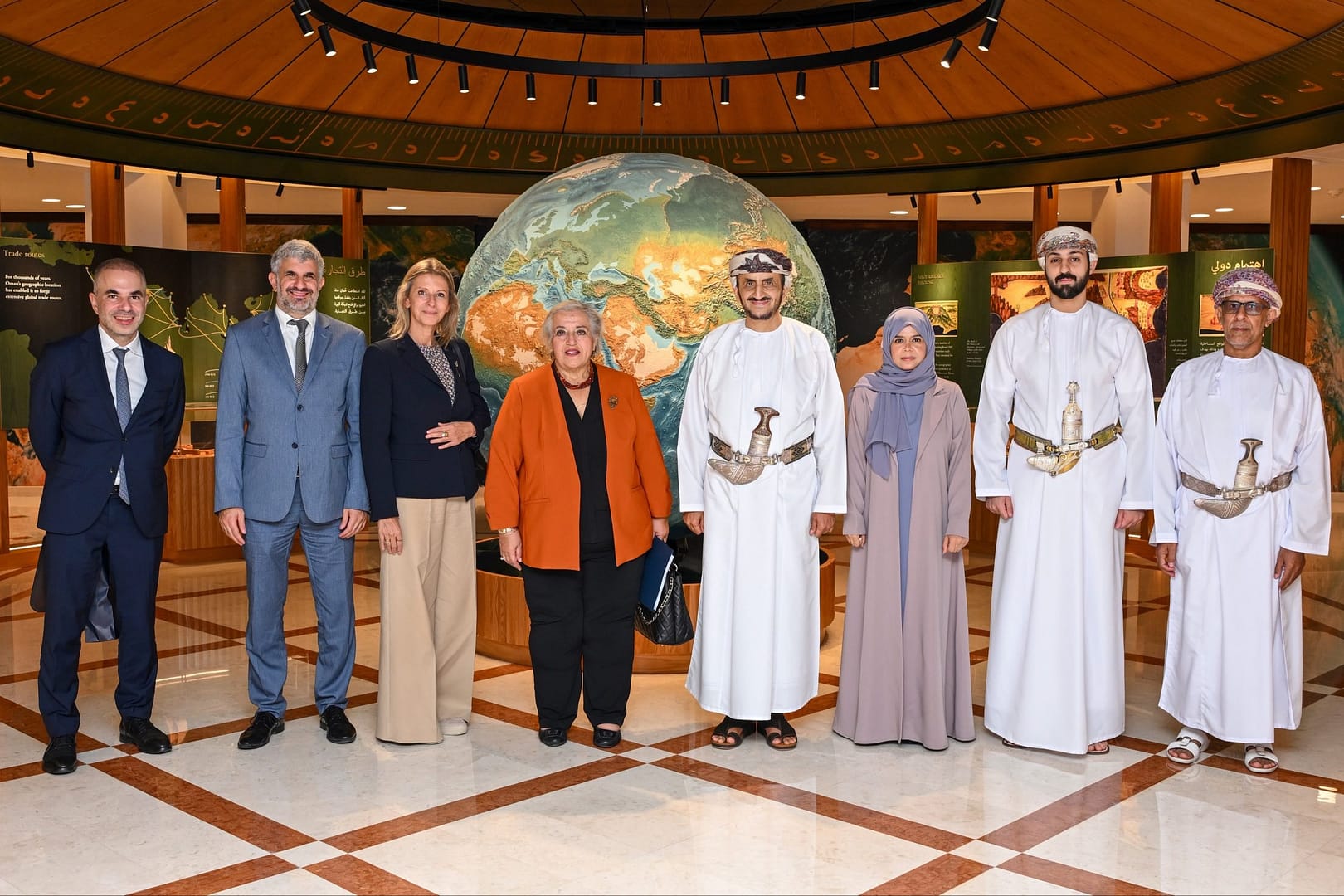
The statement does not address prior meetings. However, in March the ministry said Oman and Tanzania held consultations. Similarly, in October the ministry announced consultations with Nepal and Kazakhstan. These engagements, alongside the ongoing discussions with Russia, demonstrate a consistent effort by Muscat to cultivate diplomatic ties across diverse geographic regions. The statement does not address the context of these consultations within Oman’s broader foreign policy objectives, which have traditionally prioritized stability within the Gulf Cooperation Council and strategic partnerships with key regional players. The ministry’s most recent statement regarding talks with Kazakhstan (September 18, 2026) highlights the consistent pattern of engagement with Central Asian nations.
Analysis
The consultations with Greece are framed around “friendly relations” and “expanding cooperation,” suggesting a move beyond purely transactional relationships. The inclusion of tourism, maritime transport, and culture indicates an interest in leveraging Greece’s strategic location and economic strengths. The exchange of views on “regional and international issues of mutual interest” is deliberately vague, potentially encompassing geopolitical tensions in the Eastern Mediterranean or Oman’s stance on broader international forums. The participation of Katerina Varvarigou, Greece’s Ambassador to Oman, underscores the seriousness with which the Greek side views this engagement. If implemented as described, this represents a deliberate effort to diversify Oman’s diplomatic portfolio, particularly given the existing strategic partnerships with Russia and Kazakhstan. The presence of officials from both countries suggests a commitment to detailed discussions and the potential for tangible outcomes. The statement does not address the potential for this engagement to influence Oman’s position on key regional conflicts or its approach to international relations.
Implications
The consultations with Greece carry implications for regional stability. Should the discussions yield agreements on maritime transport or security cooperation, it could impact trade routes and potentially reshape dynamics in the Eastern Mediterranean. The broadening of Oman’s engagement with a European power also reflects a desire to enhance Muscat’s influence within international forums. The statement does not address the potential impact on Oman’s trade relations with other nations, particularly those within the European Union. The discussions could also signal a shift in Oman’s approach to managing its relations with Turkey, a country with overlapping interests in the Eastern Mediterranean.
Outlook
If the visit yields a framework for increased cooperation in maritime transport, Oman could benefit from access to Greek ports and expertise in shipping logistics. Should the discussions focus on cultural exchange and tourism, it could boost Oman’s tourism sector and strengthen bilateral ties. The statement does not address the potential for disagreements or challenges that may arise during the consultations, such as differing views on regional security issues or trade disputes.