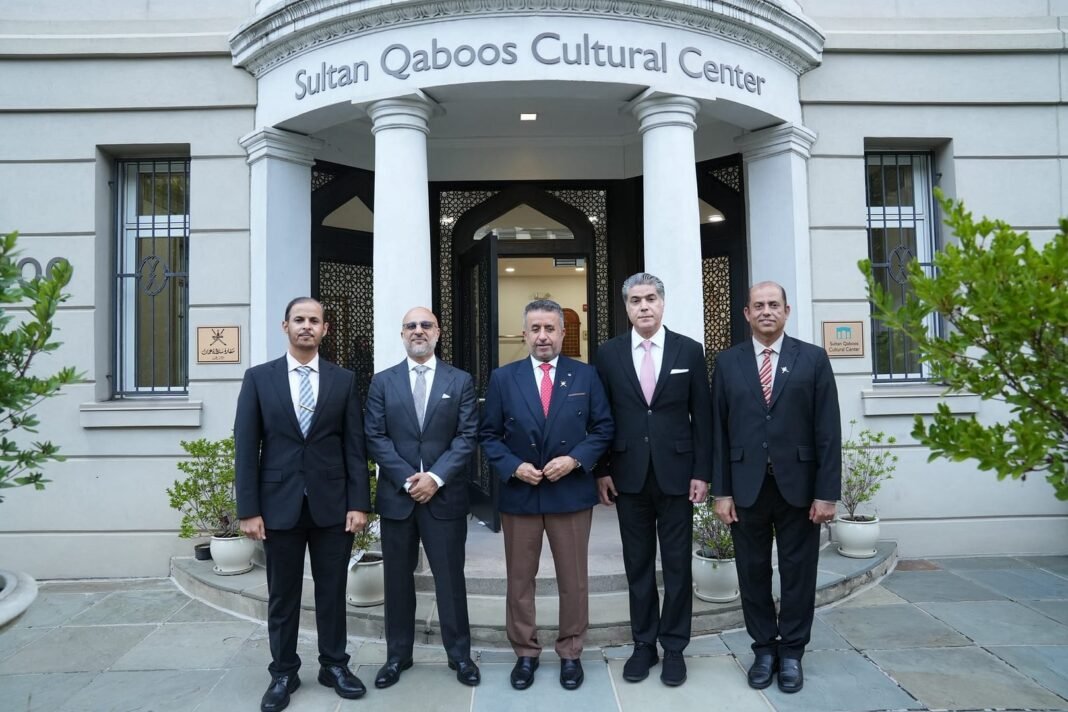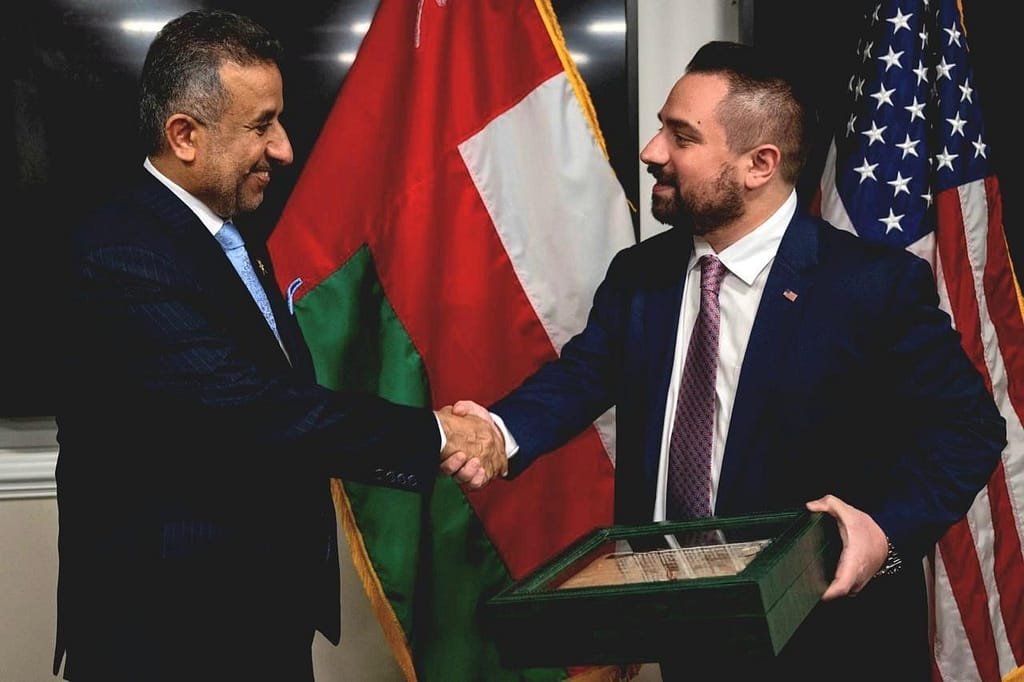
The official readout frames the trip as Washington, DC – On September 13, 2026, the 18th meeting of the Oman-US Joint Military Commission took place, marking a continuation of existing defence cooperation between the two nations. The meeting’s central purpose, as stated by the Ministry of Defence, was to “discuss existing military cooperation and ways to strengthen and develop it in support of mutual interests.” This activity matters because it represents a formal channel for addressing security concerns in a region experiencing heightened tensions, and the presence of senior officials from both countries underscores the strategic importance of the partnership.
Background
The Oman-US Joint Military Commission has operated since 2003, evolving through several iterations reflecting shifts in regional security dynamics. Previous meetings, as detailed in a statement from March 9, 2026, (“Political Undersecretary receives US Assistant Treasury Secretary”), focused primarily on reviewing relations between the Sultanate of Oman and the United States and exploring ways to strengthen cooperation and coordination in areas of mutual interest. This current meeting builds upon this established framework, suggesting a consistent, albeit potentially evolving, commitment to bilateral defence engagement. The statement does not address any specific changes in the agenda or the scope of cooperation discussed.
Analysis
The stated objectives of the meeting – “discussing existing military cooperation” and “ways to strengthen and develop it” – suggest a deliberate effort to maintain operational alignment between Omani and US forces. This is particularly relevant given the ongoing geopolitical challenges in the Middle East. The presence of Dr Mohammed bin Nasser Al Zaabi, Secretary General of the Ministry of Defence, and Michael DiMino, Deputy Assistant Secretary of War for Near East and Central Asia, indicates a serious engagement on both sides. If implemented as described, this continued cooperation would likely focus on areas such as joint training exercises, intelligence sharing, and logistical support. The meeting’s timing, coinciding with broader regional instability, points to a proactive approach to mitigating potential risks. The statement does not address the specific nature of these “mutual interests” or the strategic rationale behind the continued partnership.
Implications
This meeting carries implications for regional stability and the broader US strategy in the Middle East. Continued military cooperation between Oman and the United States bolsters Washington’s security presence in a strategically important area. The visit by Dr Al Zaabi, including a meeting with state officials in Arizona, suggests an interest in consolidating existing partnerships, specifically with the State of Arizona, where Oman has a partnership programme. Should the visit yield further discussions on defence coordination, it could strengthen the US position in countering regional threats. The statement does not address the potential impact of this cooperation on other regional alliances or the broader balance of power in the Gulf.
Outlook
Should the visit yield further discussions on defence coordination, the continuation of this military committee meeting would suggest a commitment to maintaining operational alignment. If the US continues to prioritize its Near East and Central Asia portfolio, this meeting represents a sustained engagement. However, the statement does not address any shifts in US strategic priorities or the potential for changes in the scope of cooperation. The meeting’s success hinges on the ability of both sides to identify shared interests and develop practical mechanisms for collaboration.
Conclusion
The resumption of this military committee meeting underscores a persistent, if somewhat opaque, element of US engagement in Oman. The focus remains on bolstering existing security ties, but the precise nature of these ties – and the strategic calculations driving them – remain largely undefined.