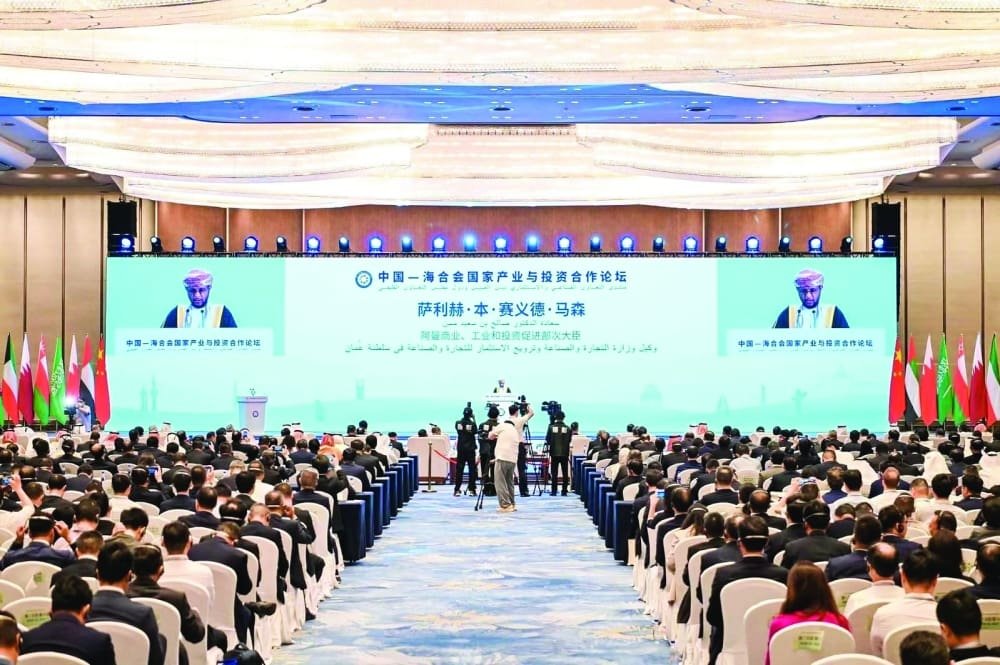
As set out in a formal announcement, Trade between Oman and China reached OMR 9.6 billion in 2025, a figure underscored by the state visit of His Majesty Sultan Haitham bin Tarik to China, expected to unlock new opportunities for collaboration. This continued expansion, fueled by Chinese investment and a robust trade relationship, reflects a strategic alignment increasingly central to Oman’s economic diversification efforts, though the precise contours of this partnership remain largely undefined.
Background
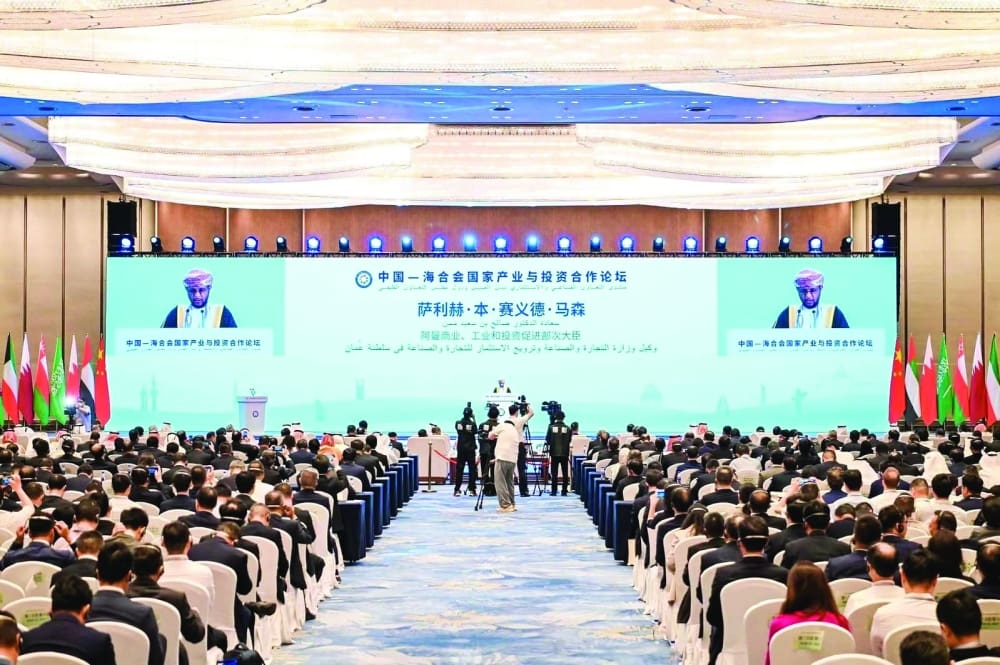
The Oman-China Joint Committee, established under a trade agreement signed in 1980 and recently explored through its tenth session in Beijing in December 2025, provides the institutional framework for this expanding relationship. This committee’s focus on renewable energy, manufacturing, and digital trade demonstrates a deliberate effort to move beyond traditional trade flows. The launch of direct flights between Beijing and Muscat in November 2025 further facilitates this growing connectivity. Prior initiatives, including the Oman-China Economic and Trade Exchange Forum held in Muscat in August 2024 and the Khazaen Economic City investment forum in Beijing, have identified key sectors for joint ventures. The statement does not mention the history of the Oman-China Friendship Association, established in 2010, or its ongoing role in promoting cultural and business exchanges.
Analysis
The continued growth in Chinese direct investment, reaching OMR 903.8 million by the end of the second quarter of 2026, suggests a sustained level of confidence from Chinese investors. This is driven by Oman’s strategic location, ports, free zones, and investment infrastructure, factors highlighted by Sean, a Chinese investor who established his company in Sohar Free Zone in 2022. The Chamber of Commerce and Industry’s support for investment in priority sectors—advanced manufacturing, renewable energy, artificial intelligence, logistics and food security—signals a targeted approach to attracting Chinese capital. The focus on these sectors aligns with Oman Vision 2040’s objectives of economic diversification and investment growth. The statement does not address the level of Chinese investment in Omani debt or the potential impact of the ongoing free trade agreement negotiations between China and the Gulf Cooperation Council.
Implications
The deepening economic partnership carries implications for regional stability, particularly within the context of broader geopolitical tensions. Increased trade and investment flows between Oman and China could potentially buffer Oman from external pressures, strengthening its economic independence. The negotiations on a free trade agreement between China and the Gulf Cooperation Council, welcomed by Faisal Alawi Al Dheeb, could further amplify these effects. However, the statement does not address the potential impact on other regional trade partners or the broader implications for the strategic balance in the Arabian Peninsula.
Outlook
Should the visit yield commitments to expand investment in renewable energy supply chains and smart warehousing, the partnership could accelerate Oman’s transition to a more sustainable and technologically advanced economy. If the negotiations on the free trade agreement progress successfully, it would create new opportunities for Omani businesses to access the Chinese market, bolstering Oman Vision 2040’s goals. Should the Chinese government maintain its current level of investment, Oman could see continued growth in its manufacturing sector, particularly in sectors aligned with the priorities identified by the Chamber of Commerce and Industry.