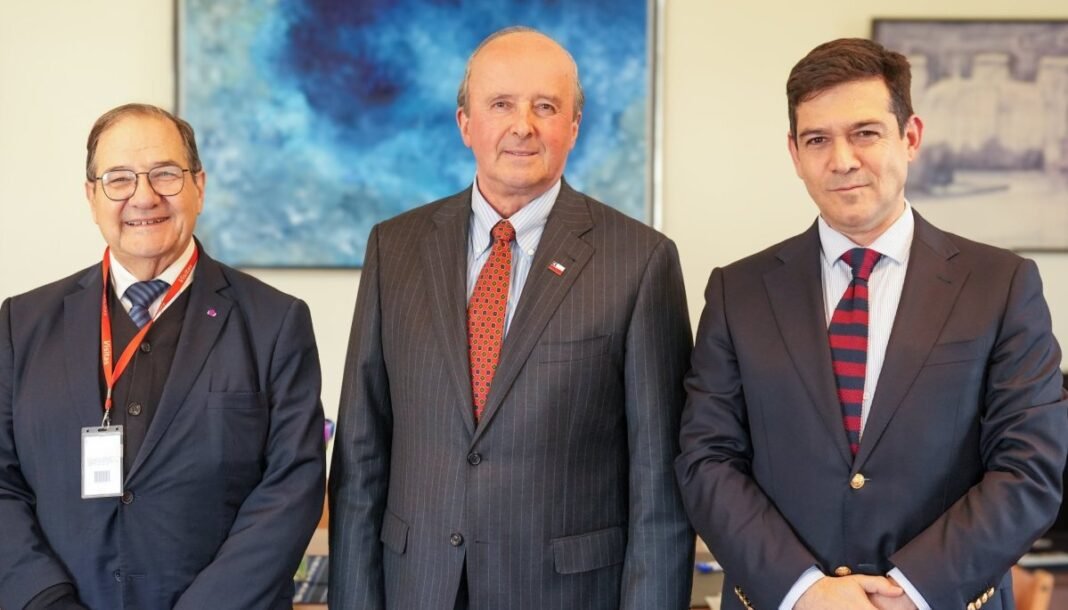
The Minister of Foreign Relatios, Patricio Torres, held a meeting this Monday with representatives of the Corporación de Ayuda al Niño Quemado (COANIQUEM), where they addressed cooperation instances and international activities of the corporation, specifically the strategy of its program “Rotaryquem” (here). This suggests a renewed emphasis on COANIQUEM’s established humanitarian programs as a key component of Chile’s foreign policy.
Background
The ‘Rotaryquem’ program aims to provide comprehensive rehabilitation access for children from Central and South American countries requiring this care; train healthcare professionals from other nations involved in burn victim treatment; and foster the formation of multidisciplinary teams capable of replicating COANIQUEM’s model of care. The statement does not address the specific geographic focus of these recipient countries or the current budget allocated to the program.
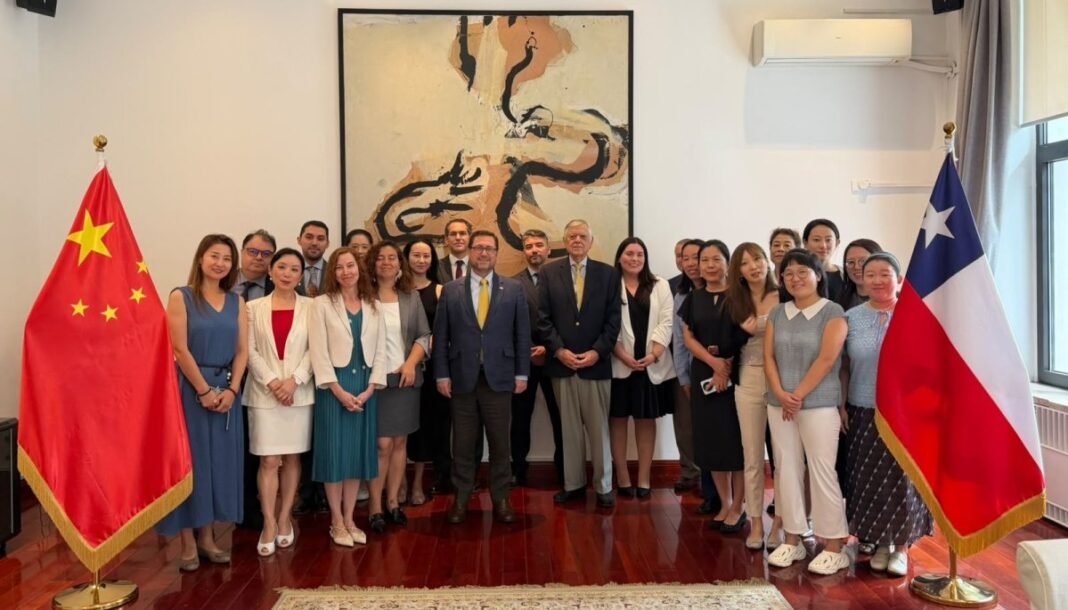
This meeting occurred alongside several other diplomatic engagements by Minister Pérez Mackenna, including a visit to the Chilean embassy and consulate in China on August 17th, 2026, and a visit to the Sydney consulate on the same day. Furthermore, he received an award from a Chilean official for her 46 years of service on August 17th, 2026. The Minister also initiated a diplomatic tour encompassing China, Vietnam, and Japan, stating that Chile is “opening opportunities and strengthening relationships with a long-term perspective.” A Chilean aircraft carrying humanitarian aid landed in Colombia on August 15th, 2026.
Analysis
The Ministry’s prioritization of ‘Rotaryquem’ indicates a deliberate strategy to leverage COANIQUEM’s existing expertise and infrastructure within Chile’s international engagement. This suggests an effort to position Chile as a regional leader in humanitarian assistance, particularly within Latin America. The program’s stated goals – rehabilitation access, professional training, and team development – represent a multi-faceted approach to addressing burn victim care globally.
The simultaneous diplomatic activity undertaken by Minister Mackenna—visits to China, Australia, and Colombia—indicates a broader effort to diversify Chile’s international partnerships. This suggests an ambition to engage with emerging economies and solidify existing relationships across multiple continents. The delivery of humanitarian aid to Colombia further reinforces this commitment to regional stability and assistance.
Implications
Should the visit yield continued support for ‘Rotaryquem’, it could strengthen Chile’s diplomatic standing within Latin America and potentially attract further international investment in its healthcare sector. However, the statement does not address the potential impact of this strategy on Chile’s broader economic development priorities or trade relations.
The coordinated deployment of diplomatic resources – including visits to China, Vietnam, and Japan – signals a calculated approach to expanding Chile’s geopolitical influence. This could be particularly relevant considering ongoing discussions within regional blocs regarding international cooperation and security arrangements. The provision of humanitarian aid also carries implicit implications for Chile’s role in disaster response and crisis management.
Outlook
If the ‘Rotaryquem’ program continues to receive substantial funding, it could become a cornerstone of Chile’s foreign policy strategy. Should COANIQUEM’s capacity be significantly expanded – perhaps through increased international partnerships—the impact on burn victim care globally would increase proportionally.
Conclusion
The Ministry’s emphasis on ‘Rotaryquem’ raises a key question: will Chile’s humanitarian focus become a central pillar of its foreign policy, or remain a strategically deployed tool alongside broader trade and security objectives?