Details in a press release show that
Background
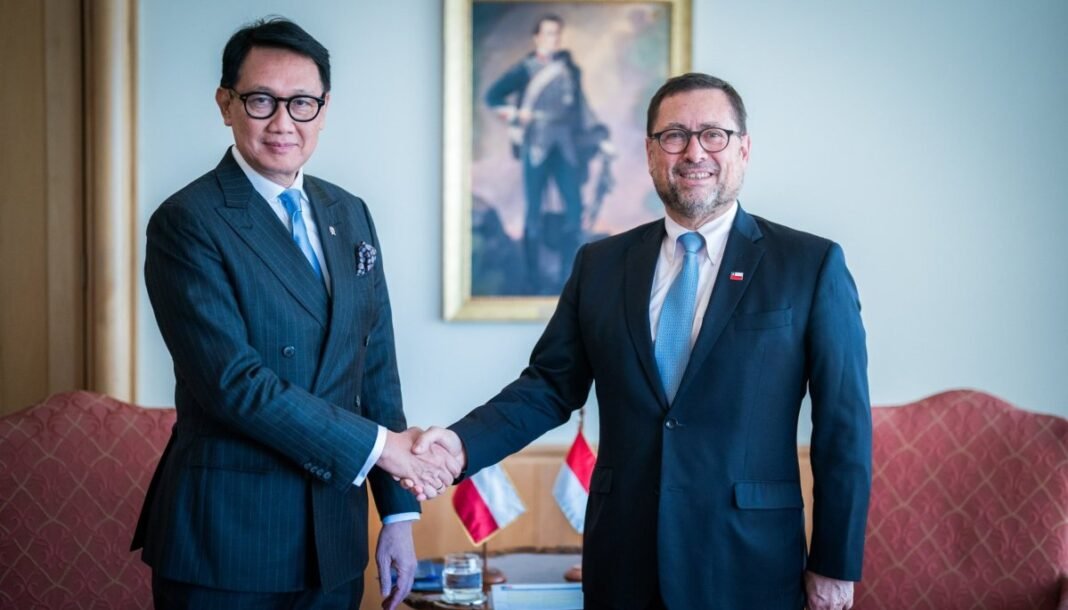
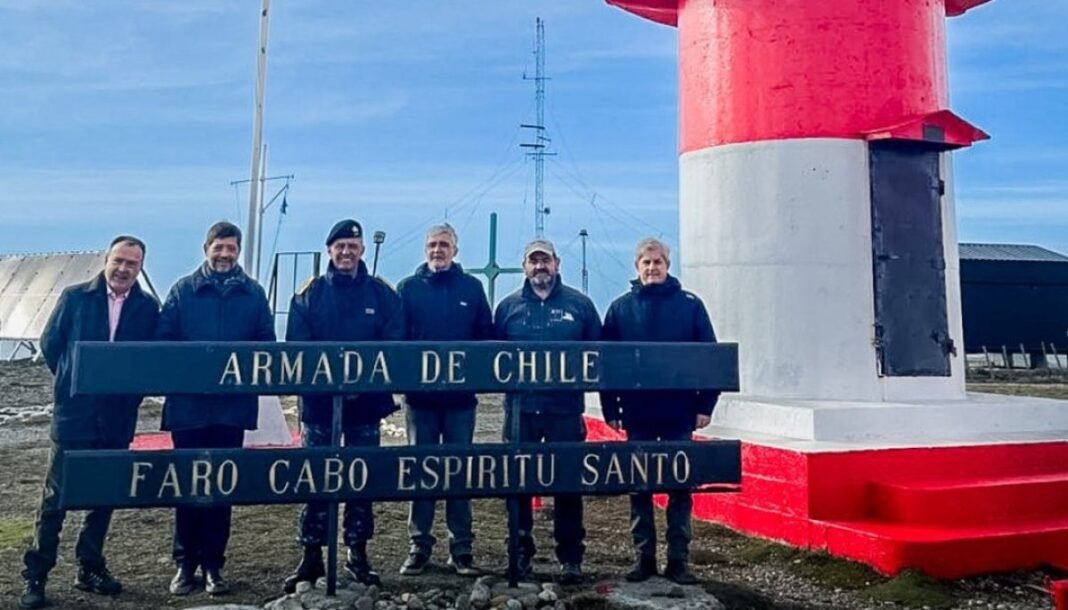
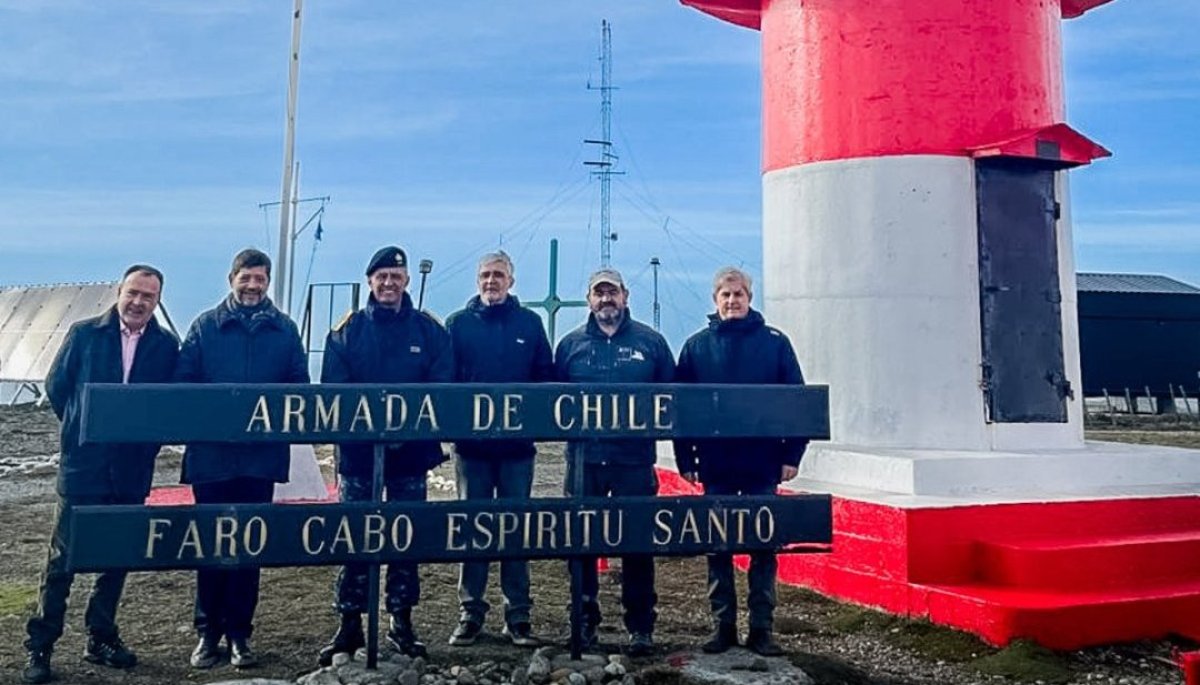
The Ministry of Foreign Relatios (minrel.gob.cl) announced on Friday, October 2, 2026, that Minister Francisco Pérez Mackenna dispatched a delegation of the Ministry of Foreign Affairs to the Magallanes and Southern Chilean Antarctic Region, led by Secretary General of Foreign Policy, Ambassador Frank Tressler. This visit to Punta Arenas and Cabo Espíritu Santo followed a series of diplomatic engagements, including a meeting with the Vietnamese Ambassador to Chile on Thursday, October 1, 2026, to review bilateral ties celebrating 55 years of diplomatic relations (minrel.gob.cl/sala-de-prensa/canciller-se-reune-con-el-embajador-de-vietnam-en-chile). The delegation’s focus is on strengthening ties between institutions and recognizing the work of the Chilean Commission on the Limits (CCL) – known as Comisión Chilena de Límites – in the area.
Analysis
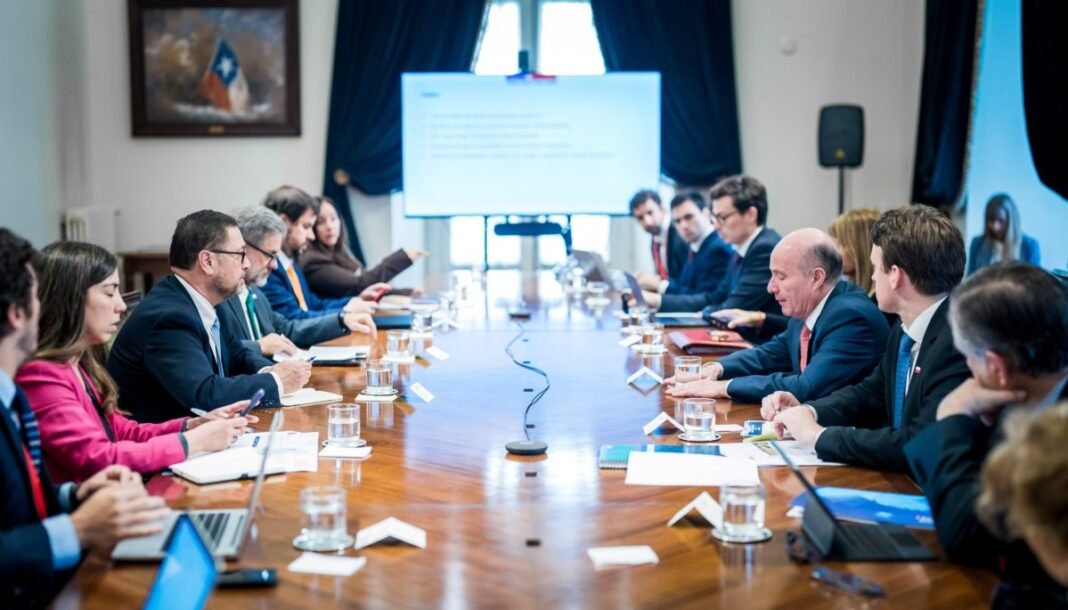
The visit, primarily focused on the demarcation of the Eastern Boundary of the Magellan Strait, represents a key element of Chile’s strategy to bolster economic, scientific, and territorial development within the Magallanes and Southern Antarctic Region. The delegation’s meetings with regional Governor Jorge Flies, Presidential Delegate Ericka Farías, and military and naval authorities demonstrate a concerted effort to coordinate the deployment of national diplomacy to support this objective. The presence of the Chilean Antarctic Institute (INACH) and ProChile Magallanes highlights the government’s intent to foster scientific research and promote trade within the region. The inclusion of the CCL President, Samy Hawa, and the Regional Coordinator of the Ministry in the Southern Zone, Eduardo Salinas, underscores the government’s commitment to the legal and practical aspects of border management. This reinforces the Ministry’s stated goal of decentralization, focusing diplomatic resources on the southern region.
Implications
The delegation’s inspection at Cabo Espíritu Santo, accompanied by the Commander-in-Chief of the Third Naval Zone, Rear Admiral Juan Soto Herrera, and other officials, signals a renewed emphasis on securing Chile’s maritime borders. The visit’s coordination with the Embajador Fernando Velasco, Head of the State Border and Limits Division, and Carlos Dettleff, Director National of Borders and Limits, suggests a strengthened effort to resolve border disputes. The participation of Samy Hawa, President of the CCL, indicates a proactive approach to the ongoing demarcation process. Should the visit yield positive results in terms of border verification, it could contribute to regional stability, particularly given Chile’s existing maritime disputes. The trip also highlights Chile’s continued engagement with international partners.
Outlook
If the visit to Cabo Espíritu Santo confirms the CCL’s ongoing work in verifying the maritime demarcation, it could contribute to a more stable situation in the region. Should the delegation’s meetings with regional authorities result in increased investment in infrastructure and economic development, it would support the Ministry’s stated objective of boosting regional growth. The Ministry’s focus on coordination between institutions suggests a continued effort to integrate diplomatic efforts with practical development initiatives.