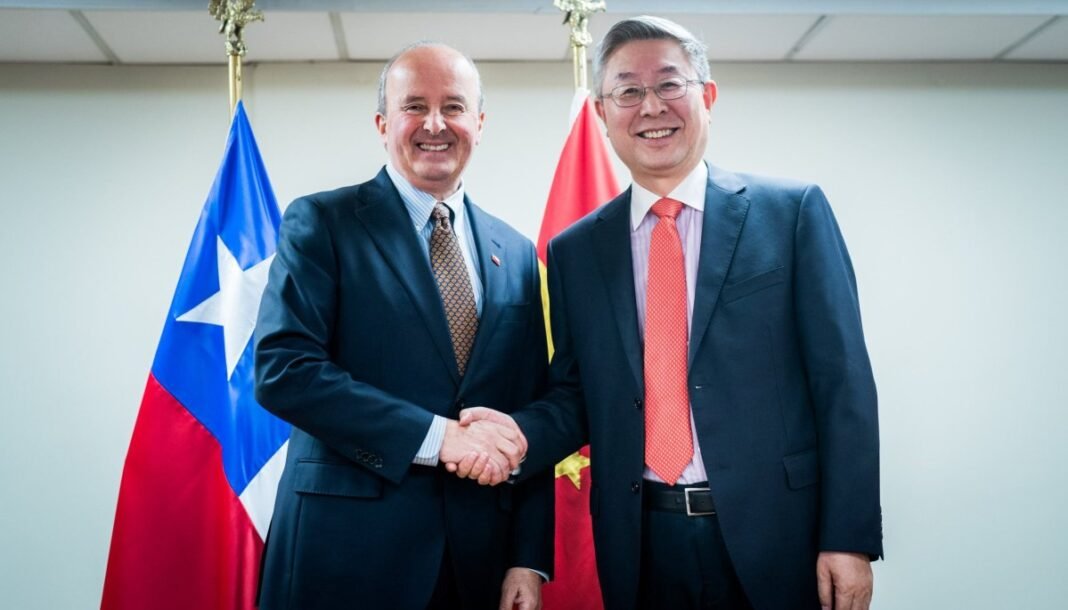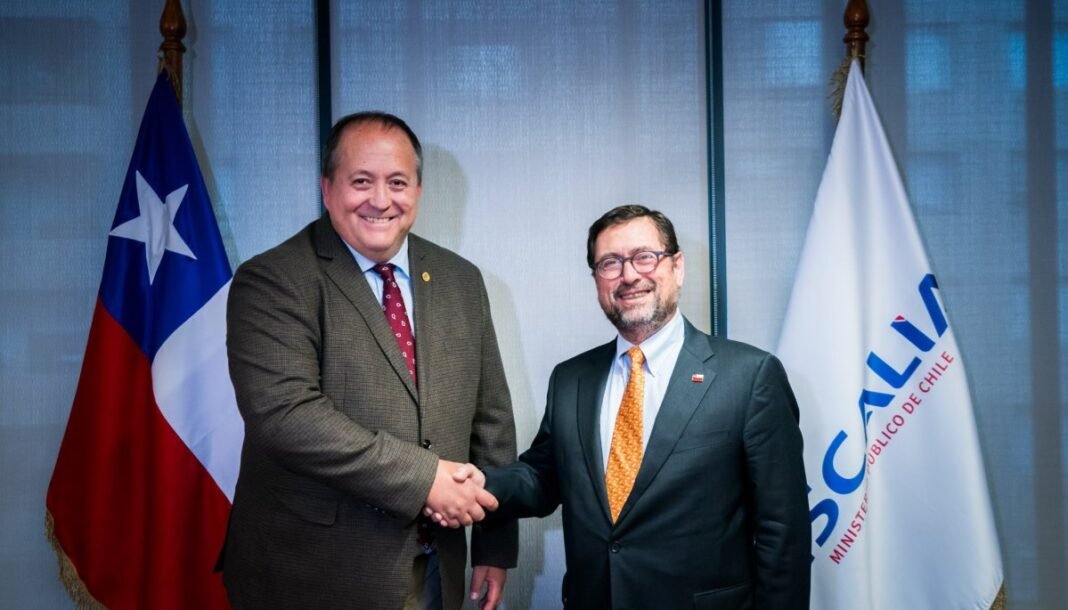
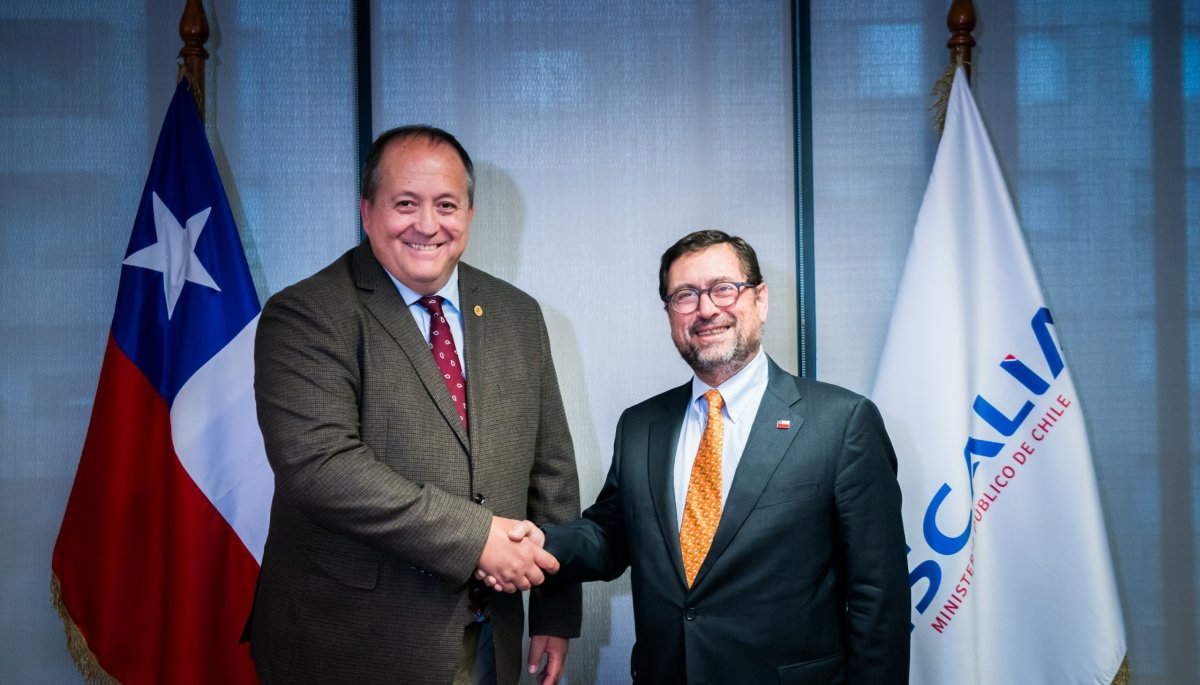
The foreign ministry readout describes The Chilean Minister of Foreign Affairs, Francisco Pérez Mackenna, met today with the National Prosecutor, Ángel Valencia, with whom he addressed the coordination of Chile with the countries of the region to combat drug trafficking and face international security problems. This meeting, as detailed in a press release from the Ministry of Foreign Affairs, underscores a key element of Chile’s foreign policy in the current geopolitical landscape. The statement does not address the specific budget or timeline for this cooperation, nor does it detail the scope of the security problems being addressed.
Background
The meeting occurred in the context of ongoing efforts to strengthen regional security cooperation. The Ministry of Foreign Affairs highlighted the discussion around the progress of the Santiago Commitment against Transnational Organized Crime, an agreement signed by Chile and seven other South American nations – Argentina, Bolivia, Ecuador, Paraguay, Peru, and Uruguay. This commitment, established in 2023, seeks to coordinate law enforcement efforts to combat drug trafficking and other transnational criminal activities. The press release references this agreement as the foundation for the discussions, suggesting a continued prioritization of this collaborative framework. The statement does not address the specific mechanisms for implementation or the level of funding allocated to the Santiago Commitment.
Analysis
The meeting between the Foreign Minister and the National Prosecutor signals a renewed focus on regional security cooperation, particularly in the fight against organized crime. The emphasis on the Santiago Commitment suggests a desire to leverage existing agreements to bolster Chile’s capacity to address emerging security threats. The presence of the National Prosecutor indicates a heightened concern regarding the criminal element involved in these activities. This suggests a desire to strengthen investigative capabilities and judicial processes within Chile, aligning with broader international efforts to combat transnational crime. The statement does not address the underlying drivers of drug trafficking or the specific vulnerabilities exploited by criminal organizations. It also fails to mention any strategic shifts in Chile’s approach to regional security, beyond continued engagement with the Santiago Commitment.
Implications
The meeting’s focus on the Santiago Commitment has significant implications for regional stability. Should the commitment yield tangible results in disrupting drug trafficking networks, it would bolster confidence in regional cooperation and potentially mitigate some of the destabilizing effects of organized crime. However, the meeting’s lack of detail regarding funding or specific operational plans raises questions about the commitment’s long-term sustainability. The increased coordination with regional partners could also influence Chile’s engagement with international organizations such as the United Nations, potentially strengthening its voice on issues related to drug trafficking and security. The statement does not address the broader implications for trade or security within the region, particularly concerning potential tensions with countries not party to the Santiago Commitment.
Outlook
If the visit yields a concrete agreement on resource allocation and operational protocols for the Santiago Commitment, it could significantly strengthen Chile’s regional security posture. Should the Ministry of Foreign Affairs successfully secure additional funding and operational support from its regional partners, the commitment’s effectiveness would be substantially enhanced. Conversely, if the meeting results in only symbolic commitments without tangible action, it could undermine confidence in the Santiago Commitment and raise questions about Chile’s commitment to regional security cooperation. The statement does not address the potential for future disagreements or challenges within the framework of the Santiago Commitment, nor does it outline contingency plans should the current collaboration falter.
Conclusion
The meeting between Minister Pérez Mackenna and Prosecutor Valencia represents a prioritized engagement on regional security, but the lack of specific details regarding concrete outcomes necessitates careful observation. The continued success of Chile’s efforts hinges on translating this meeting into tangible steps within the Santiago Commitment, a task that remains, at this point, undefined.