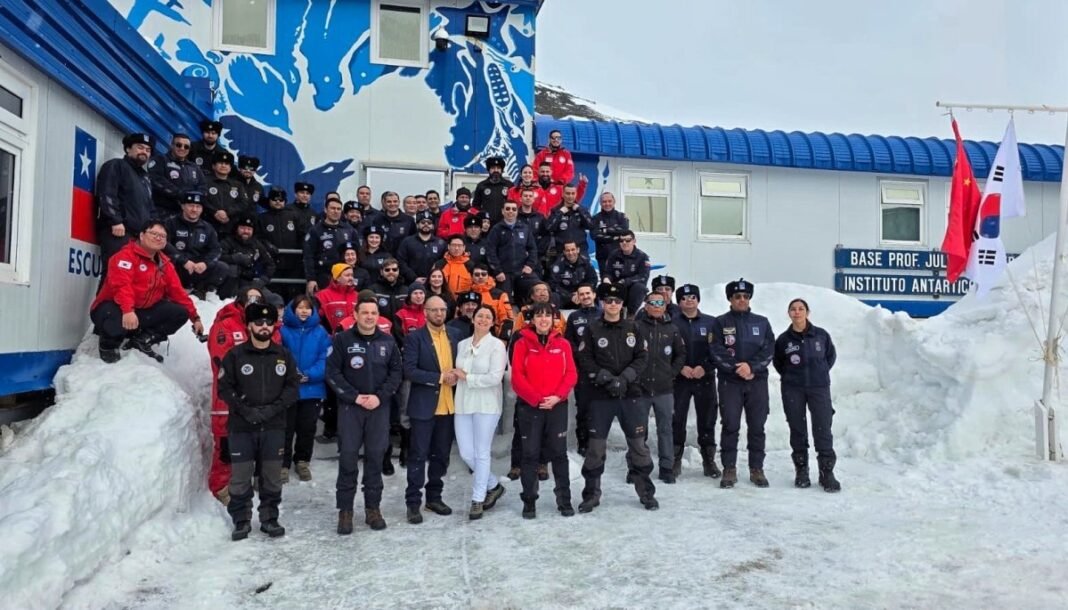
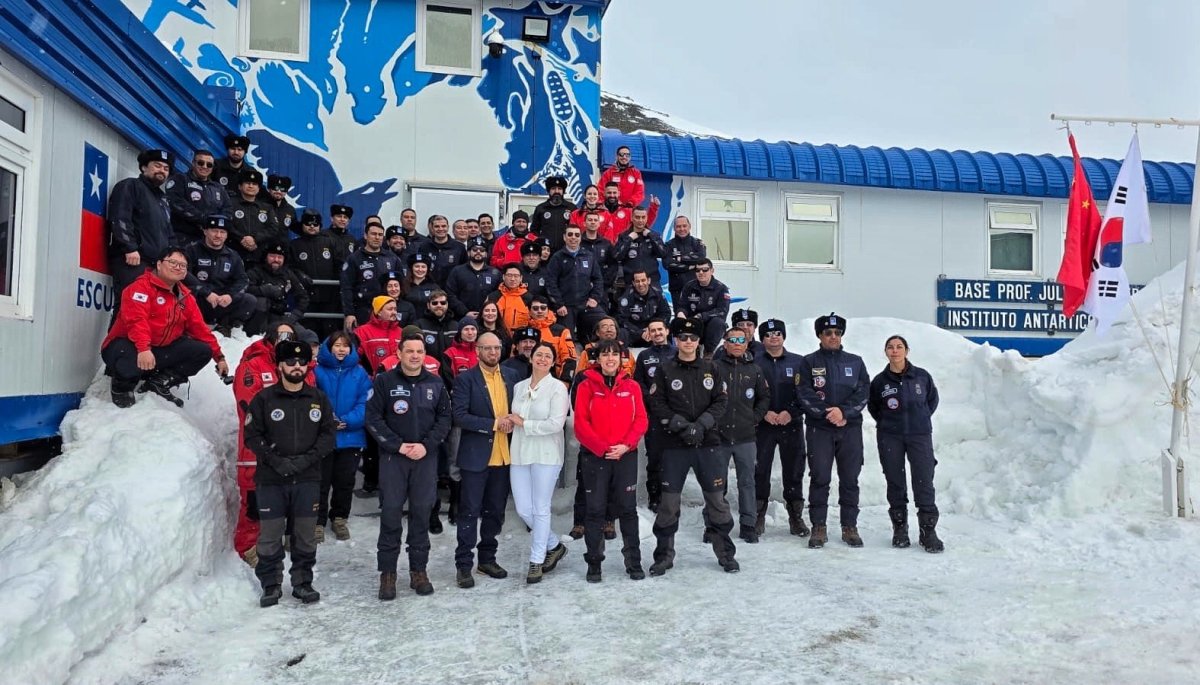
The most consequential detail from the statement is that on October 2nd, 2026, Natalia “Natu” Mestre Silva and Luis Muñoz Gaete, geologists from the Universidad Andrés Bello, legally married in the Profesor Julio Escudero Base of the Chilean Antarctic Institute (INACH), marking the sixth such marriage in Chilean Antarctic territory since 1981. This event highlights a sustained, operational presence within the remote continent and the evolving nature of scientific collaboration within Chile’s Antarctic program. — the full statement has further detail.
Background
Chile’s presence in Antarctica dates back nearly 80 years, as outlined in the statement. The INACH, directly overseen by the Ministro de Relaciones Exteriores (Ministry of Foreign Affairs), operates the Escudero Base, a key element in the nation’s ongoing scientific endeavors. The base’s continuous operation, particularly during the harsh Antarctic winter, relies on a rotating team of approximately 10 personnel from the Armada de Chile (Chilean Navy) and the Fuerza Aérea de Chile (Chilean Air Force), forming the “Capitanía de Puerto Fildes” and governed by Capitán de Fragata Horacio Hurtado Catini, the “Gobernador Marítimo” (Maritime Governor) of the Chilean territory. This operational framework, currently led by Jefa de Base Escudero Isabel Giménez Villalobos, is central to the Programa Nacional de Ciencia Antártica (PROCIEN), bolstering Chile’s scientific engagement within the Antarctic Treaty System.
Analysis
The marriage represents a confluence of factors. Firstly, it reflects the logistical demands of maintaining a permanent scientific presence in one of the world’s most isolated environments. The isolation, coupled with the collaborative nature of the PROCIEN, likely played a significant role in the couple’s decision. Secondly, the event highlights the strategic importance Chile assigns to its Antarctic operations – a demonstrable commitment to scientific research and a physical assertion of sovereignty. The involvement of the Fuerza Aérea and the Armada, alongside the Dirección General de Aeronáutica Civil (DGAC) and the Dirección Meteorológica de Chile (DMC), illustrates a comprehensive, multi-agency approach to Antarctic operations. The presence of neighboring Antarctic stations – Uruguayan, Chinese, Russian, and Korean – further underscores Chile’s role as a facilitator of international collaboration, despite its territorial claims.
Implications
The marriage’s occurrence has implications for regional stability, reinforcing Chile’s commitment to the Antarctic Treaty System and its adherence to international norms regarding scientific research and environmental protection. The sustained operation of the Escudero Base, a key component of Chile’s Antarctic presence, has implications for trade and security, particularly regarding access to the Southern Ocean and its resources. The continued collaboration with other Antarctic nations strengthens the framework for peaceful scientific cooperation, mitigating potential tensions arising from territorial disputes. The ability to maintain a permanent, self-sufficient base in Antarctica provides a platform for Chile to demonstrate its technological capabilities and its commitment to responsible stewardship of the Antarctic environment.
Outlook
Should the visit yield further operational improvements to the Escudero Base, particularly regarding logistical support and communication infrastructure, it could enhance the efficiency of the PROCIEN and strengthen Chile’s scientific capabilities. If the base continues to operate successfully throughout the winter, as planned, this would further demonstrate Chile’s capacity to withstand extreme conditions and maintain a robust scientific presence. However, should the logistical challenges of maintaining a permanent base prove insurmountable, or should the funding for the PROCIEN be reduced, it could jeopardize Chile’s long-term Antarctic ambitions.
Conclusion
The marriage in Antarctica, a seemingly private event, serves as a potent symbol of Chile’s enduring commitment to scientific exploration and its complex relationship with one of the world’s most remote and strategically important regions. The question remains: will this continued operational success translate into a strengthened position for Chile within the Antarctic Treaty System, or will the inherent challenges of maintaining a permanent presence ultimately limit its impact?