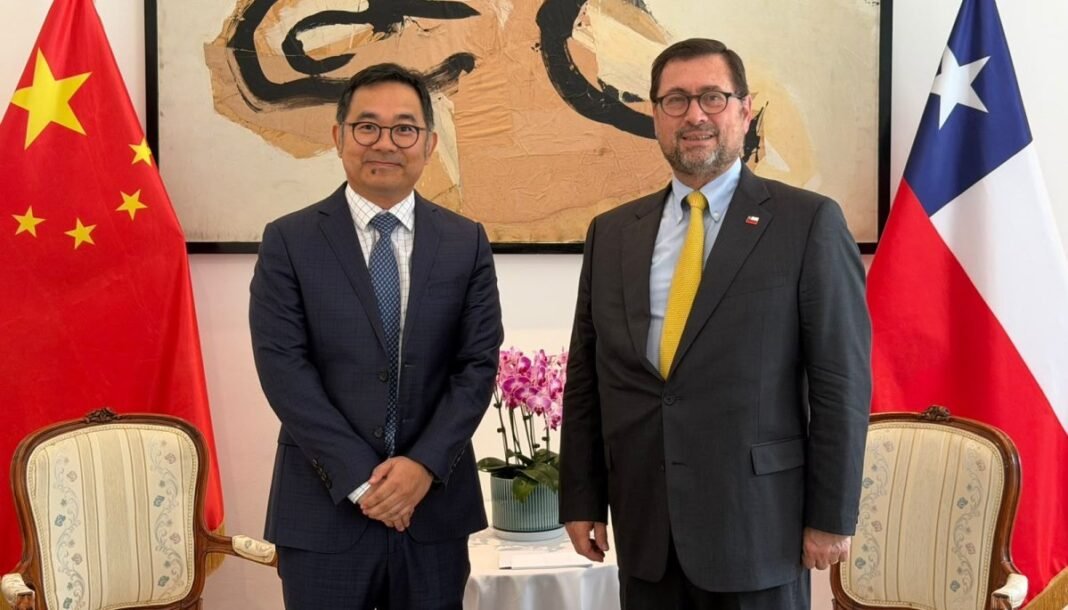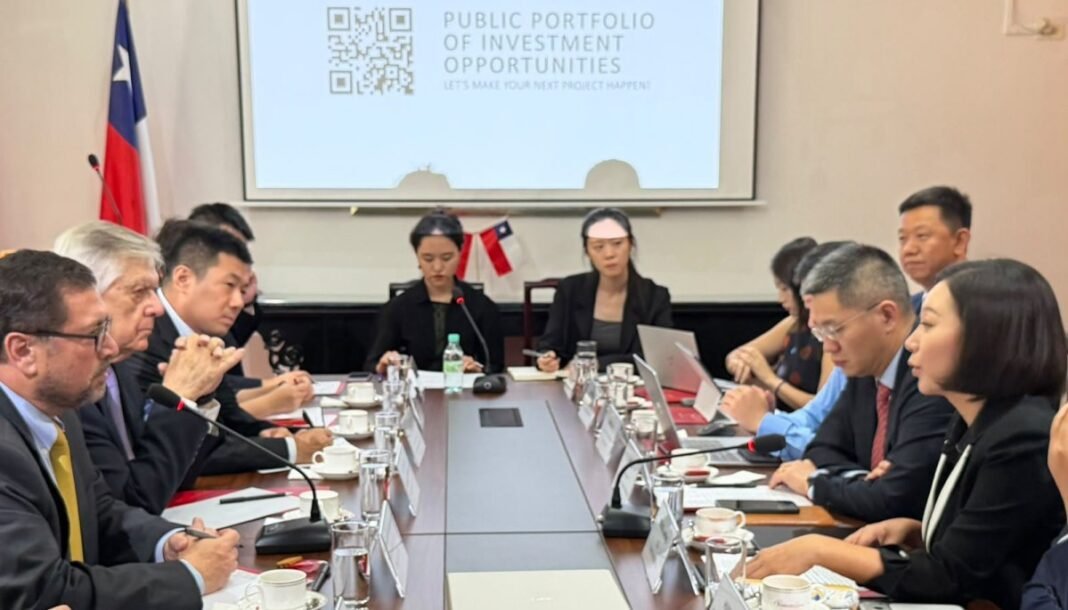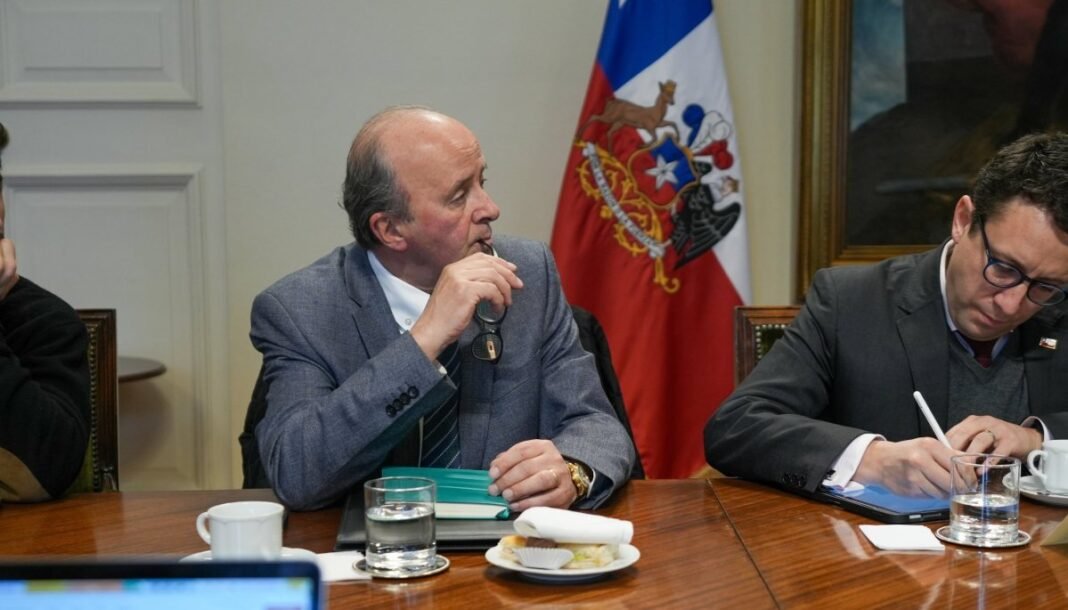
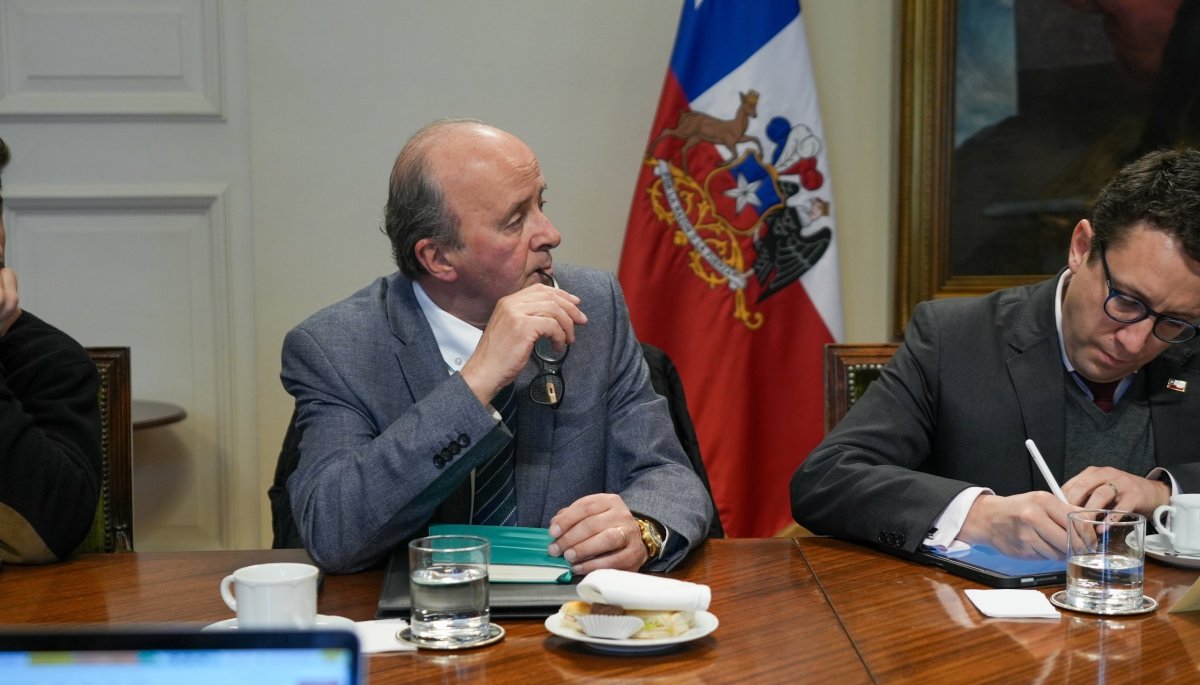
The foreign ministry readout describes The Minister of Foreign Affairs, Patricio Torres, participated today in a new session of the Economic Committee at La Moneda. This meeting involved participation from several key cabinet members: Jorge Quiroz, Minister of Finance; Daniel Mas, Minister of Economy and Mining; Louis de Grange, Minister of Public Works and Transport; and Francisco Undurraga, Minister of Culture, Arts and Heritage, among other authorities. The statement does not mention the specific agenda items discussed within the session.
Background
The Economic Committee’s mandate centers on coordinating efforts across various government ministries to promote economic growth, investment, and job creation within Chile. This committee operates as a mechanism for aligning policy directives from different sectors of the administration. The press release does not detail the timeline or previous activity of this specific committee iteration. However, recent diplomatic engagements – including Torres’s visit to Shanghai’s port (the primary entry point for Chilean exports to China) and meetings with delegations from Türkiye and the Netherlands – suggest a proactive approach to securing trade relationships. The presence of Subsecretaries Tressler and others indicates ongoing engagement with international parliamentary bodies.
Analysis
The composition of this committee signals a prioritization of domestic economic stimulus. The inclusion of Quiroz, Mas, de Grange, and Undurraga alongside Torres suggests a focus on tangible measures within Chile – investment promotion, infrastructure development, and cultural initiatives potentially tied to economic growth. This aligns with the context of recent diplomatic activity; the meetings with Türkiye and the Netherlands suggest an effort to diversify export markets beyond traditional Chinese demand. The statement does not address whether this coordination will impact existing trade agreements or explore new opportunities.
The frequent engagement with parliamentary delegations – across diverse countries – indicates a potential strategy to bolster Chile’s diplomatic influence, particularly in relation to trade negotiations and investment flows. This may be intended to mitigate reliance on single markets and foster broader economic partnerships. The emphasis on “growth,” “investment,” and “employment” suggests an attempt to address concerns regarding recent economic challenges, though the statement does not offer specific details about these challenges.
Implications
This committee’s activities carry significant implications for Chile’s broader economic strategy. Increased coordination across ministries could accelerate policy implementation and improve investor confidence – if successful. The continued pursuit of diverse trade partnerships, as evidenced by the diplomatic engagements, represents a deliberate effort to reduce vulnerability to fluctuations in global demand. However, the statement does not address potential risks associated with diversifying export markets or navigating complex international agreements.
Furthermore, the committee’s focus on domestic growth could influence investment decisions within key sectors – particularly mining, given Mas’s ministerial role. The implications for regional stability are limited; the press release does not mention any geopolitical considerations stemming from these activities. Trade relations with China remain a central element of Chile’s economy, and this initiative aims to maintain that engagement alongside diversification efforts.
Outlook
Should the committee’s efforts yield demonstrable improvements in economic indicators – specifically GDP growth and employment rates – it would bolster the government’s narrative regarding its performance. If, however, these initiatives fail to translate into tangible results, this could fuel criticism of the administration’s policy choices. The statement does not address contingency plans should domestic growth falter.
Furthermore, continued engagement with parliamentary delegations suggests a sustained diplomatic strategy. Should Chile successfully negotiate favorable trade terms or secure significant investment commitments through these channels, it would strengthen its position in the global economy. Conversely, if these efforts prove unproductive, this could signal a need for a reassessment of Chile’s external relations.
Conclusion
The formation of this Economic Committee and the ongoing diplomatic activity highlight a deliberate effort to shape Chile’s economic trajectory. The question remains whether this coordinated approach will effectively address domestic challenges while simultaneously securing sustainable trade partnerships – or if it represents merely a tactical adjustment in an evolving global landscape.