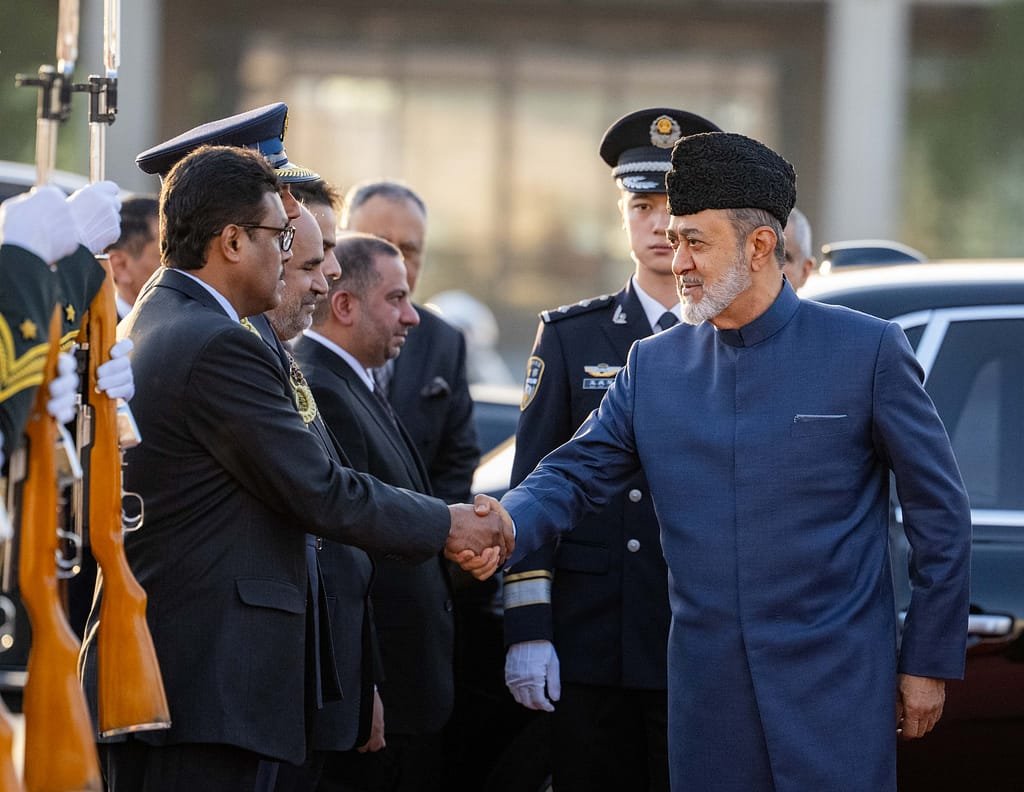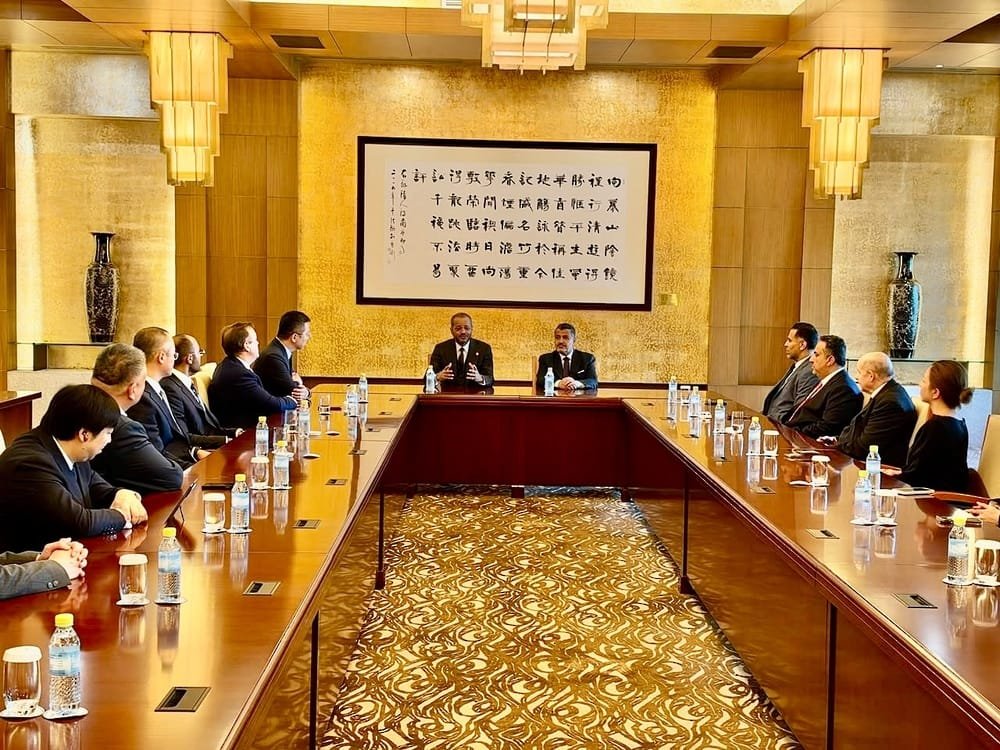
The visit of His Majesty Sultan Haitham bin Tarik to China, culminating in a joint statement on November 2, 2026, represents a significant moment in the evolution of Omani-Chinese relations. The statement, released by the Omani Ministry of Foreign Affairs, underscores a deliberate effort to solidify a “comprehensive and in-depth strategic partnership” – a designation that carries considerable weight given the historical context of the relationship and the current global landscape. The fact that this visit, the first by an Omani Sultan in 48 years, occurred at the invitation of President Xi Jinping highlights a level of strategic engagement rarely seen between nations of this scale and history. The statement’s emphasis on mutual trust, intensified exchanges, and expanded cooperation across diverse sectors – from energy and technology to defence and security – suggests a calculated move by Oman to diversify its diplomatic portfolio and leverage China’s growing economic and political influence.; see the full statement.
Background
The historical relationship between Oman and China stretches back over 1,200 years, rooted in the Maritime Silk Road. This enduring connection, noted explicitly in the joint statement, provides a solid foundation for the current deepening engagement. The statement references a timeline of 48 years since diplomatic relations were established, emphasizing the continuity of this relationship. Crucially, the statement highlights the significance of the ‘comprehensive and in-depth strategic partnership’ established in 2018, a partnership that has already yielded notable results in trade, energy, and infrastructure. The reference to the first China-Arab States Summit and the first China-Gulf Cooperation Council Summit also provides context – Oman’s participation in these forums has long positioned it as a key bridge between China and the Arab world. The statement does not address the specific details of the 2018 partnership agreement itself, nor does it delve into the political dynamics that prompted this renewed commitment.
Analysis
The joint statement reveals several key stakeholder incentives. China’s interest in Oman is multifaceted, ranging from access to energy resources – particularly oil and natural gas – to a strategic foothold in the Gulf region. The Omani government’s desire for economic diversification and modernization is clearly reflected in the commitment to technological cooperation, particularly in artificial intelligence. The focus on “support for each other on issues concerning their respective core interests and major concerns” suggests a pragmatic approach to international relations, where Oman is willing to align with China on broader geopolitical issues. The inclusion of support for President Xi Jinping’s vision of a “community with a shared future for humanity” signals a willingness to engage with China’s expansive global agenda. A significant element is Oman’s explicit support for China’s position on the United Nations General Assembly Resolution 2758 – a key element of China’s narrative on Taiwan – indicating a commitment to align on this sensitive issue. The statement’s emphasis on “complementary development advantages” suggests a recognition of mutual benefits in pursuing national development goals. The statement does not address Oman’s own strategic considerations, such as balancing relations with the United States and other Western powers.
Implications
For policymakers, the deepening Omani-China partnership has significant implications. Oman’s alignment with China’s vision of a multipolar world could reshape regional dynamics, potentially challenging the existing US-led security architecture in the Gulf. The increased trade and investment flows will bolster Oman’s economy, but also raise concerns about over-reliance on a single partner. Regionally, the strengthened ties could embolden China’s influence in the Middle East, potentially impacting the dynamics within the Gulf Cooperation Council (GCC). The agreement to support China’s position on Taiwan carries substantial geopolitical weight, potentially straining relations with Washington. The statement’s focus on energy cooperation, particularly in renewable energy, aligns with global trends but also concentrates energy resources within a single strategic partnership. The statement does not address the potential impact on Omani trade relationships with other countries.
Outlook
Should the visit yield continued investment in renewable energy, as suggested by the joint statement, Oman could accelerate its economic diversification strategy. If China’s support for Oman’s security concerns continues to materialize, Oman will be able to mitigate some of the risks associated with its geopolitical positioning. Should the agreement on AI cooperation prove fruitful, Oman could become a key player in the development and deployment of this transformative technology. However, the statement offers no guarantees regarding the long-term stability of this partnership, and the future will depend on the ability of both sides to manage potential divergences in their interests and priorities.
Sources & Further Reading
- Official press release
- Foreign ministry source
- Joint Statement from Oman and Kazakhstan (Tue, 06 Oc)
- Joint statement from Oman and Botswana (Thu, 17 Se)
- Joint Statement from Oman and Rwanda (Tue, 08 Se)
- Rwanda: Joint Statement on the Official Visit of H.E. Paul Kagame, President of the Republic of Rwanda to the Sultanate of Oman (Unknown Da)