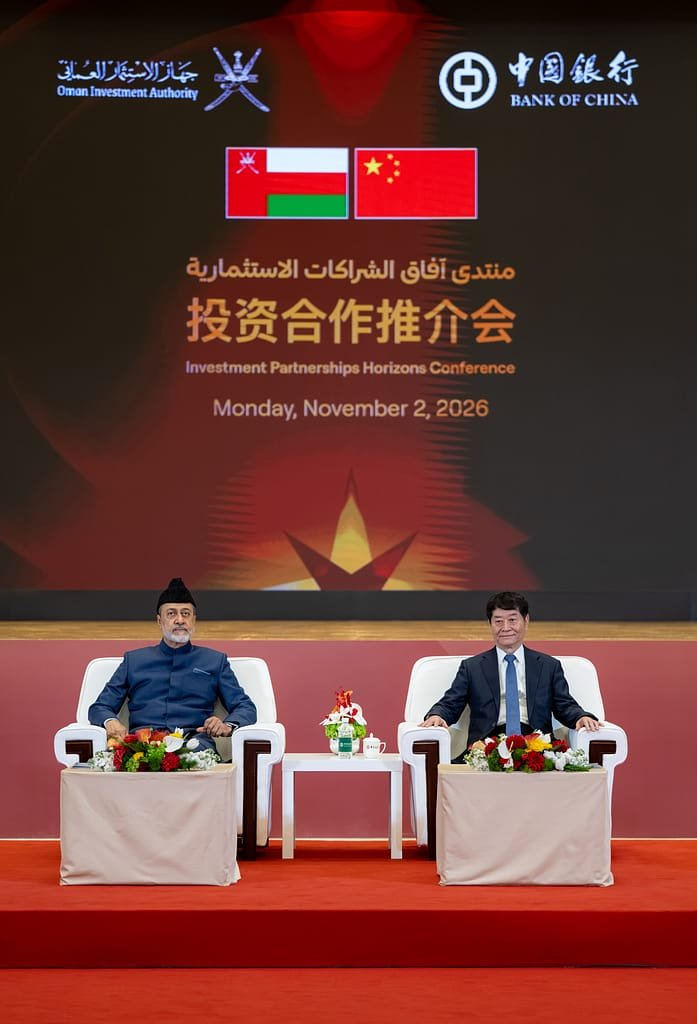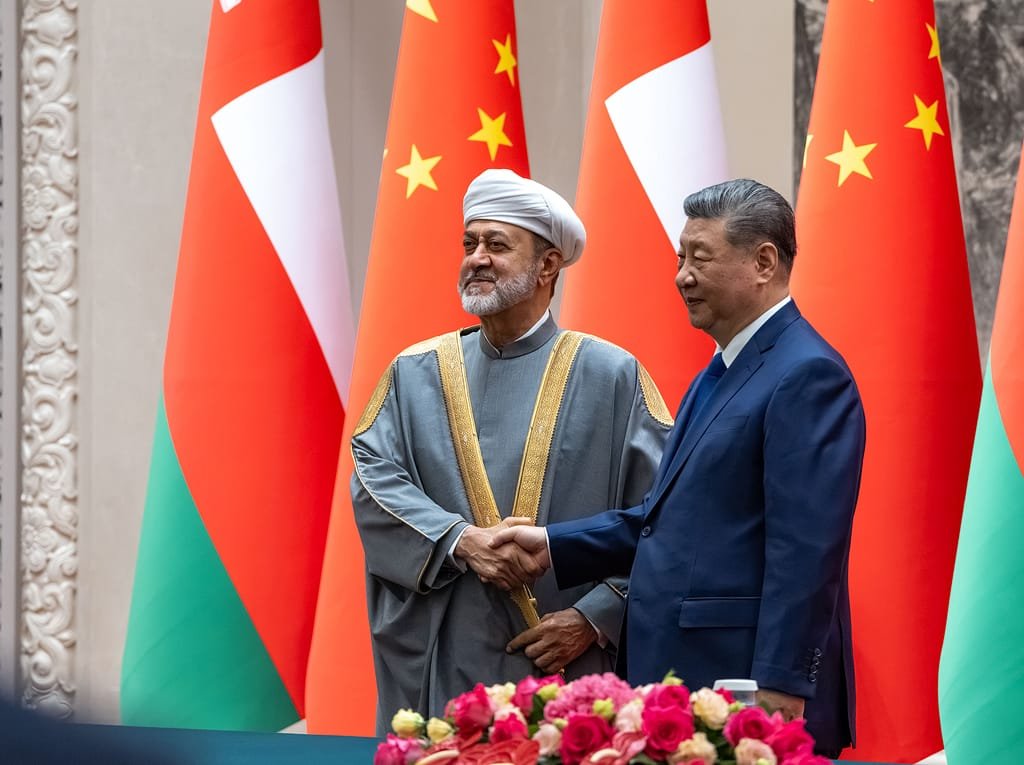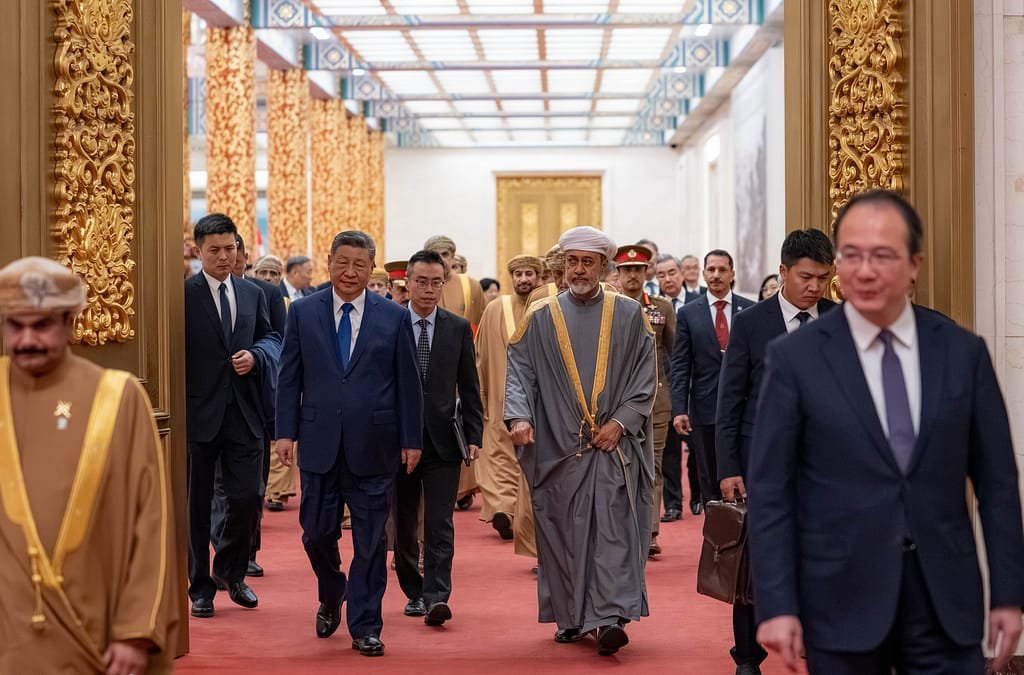
Reporting in a government statement, The most consequential detail from the Foreign Ministry’s press release is the November 2nd, 2026 luncheon hosted by Chinese President Xi Jinping honouring His Majesty Sultan Haitham bin Tarik. This event, held at the Great Hall of the People in Beijing, matters because it represents a formalized step in what is increasingly a strategic engagement between Muscat and Beijing, a relationship previously defined by cautious pragmatism. The sheer formality of the event – a state-level reception – signals a deliberate shift in the tenor of bilateral relations, a shift that warrants careful observation by regional actors.

Background
Prior to this luncheon, the relationship between Oman and China had been characterized by a series of high-level meetings and joint statements, primarily focused on economic cooperation and security matters. The press release references a “joint statement from Oman and China” dated October 23rd, 2026, which outlined areas of mutual interest, including defense cooperation and trade. Furthermore, the statement highlights a meeting between His Majesty and Premier of China’s State Council on November 2nd, 2026, demonstrating a sustained diplomatic effort. The Ministry’s earlier statement on October 6th, 2026, regarding a luncheon hosted by the President of Kazakhstan for His Majesty, indicates a pattern of similar engagements, suggesting a broadening of Muscat’s diplomatic outreach. The official reception for His Majesty in Beijing, held on November 2nd, 2026, further solidified this trend, establishing a protocol for future engagements. These prior statements demonstrate a continuous effort to cultivate relationships across the region, with China being one of the most consistent partners.
Analysis
The primary incentive for China in hosting this luncheon is likely multifaceted. The statement does not address China’s strategic interests in the Gulf, but it is reasonable to assume that Beijing seeks to diversify its partnerships and maintain influence in a region increasingly shaped by US efforts to counter Iranian influence. The event’s focus on commemorating His Majesty’s visit suggests a desire to foster goodwill and reinforce a positive image of Oman on the international stage. The attendance of senior Chinese officials signals a commitment to deepening cooperation across various sectors. The luncheon’s timing, coinciding with the Sultan’s visit to Brunei Darussalam (as reported on November 2nd, 2026), further strengthens the impression of a coordinated diplomatic strategy. The statement does not mention any specific areas of cooperation being discussed, but the nature of the event itself – an official luncheon – points towards a discussion of strategic and economic matters. The fact that the luncheon was held at the Great Hall of the People, the venue for China’s National People’s Congress, underscores the importance China places on this relationship.
Implications
The implications of this luncheon for regional stability are complex. If implemented as described, it could represent a subtle shift in Oman’s alignment, potentially reducing its reliance on traditional Western partners. The deepening relationship with China could provide Muscat with an alternative source of economic and security support. However, the statement does not address the potential for this engagement to complicate Oman’s relationships with countries like the United Kingdom, which maintains a significant military presence in the Gulf. The joint statement’s focus on defense cooperation suggests a possible expansion of China’s security footprint in the region, a development that warrants careful monitoring. The event also has implications for trade, potentially opening new avenues for Oman to access the vast Chinese market.
Outlook
Should the visit yield a formal agreement on defense cooperation, as suggested by the joint statement, Oman would be taking a significant step away from its traditional security partnerships. If the Chinese delegation expresses interest in Oman’s maritime infrastructure, as the statement does not address, this could lead to increased Chinese investment in the country’s ports and logistics sector. The future of the relationship hinges on the willingness of both sides to build trust and address potential concerns regarding security and strategic alignment. The statement does not provide any indication of a timeline for further engagement, leaving the direction of the relationship open to interpretation.