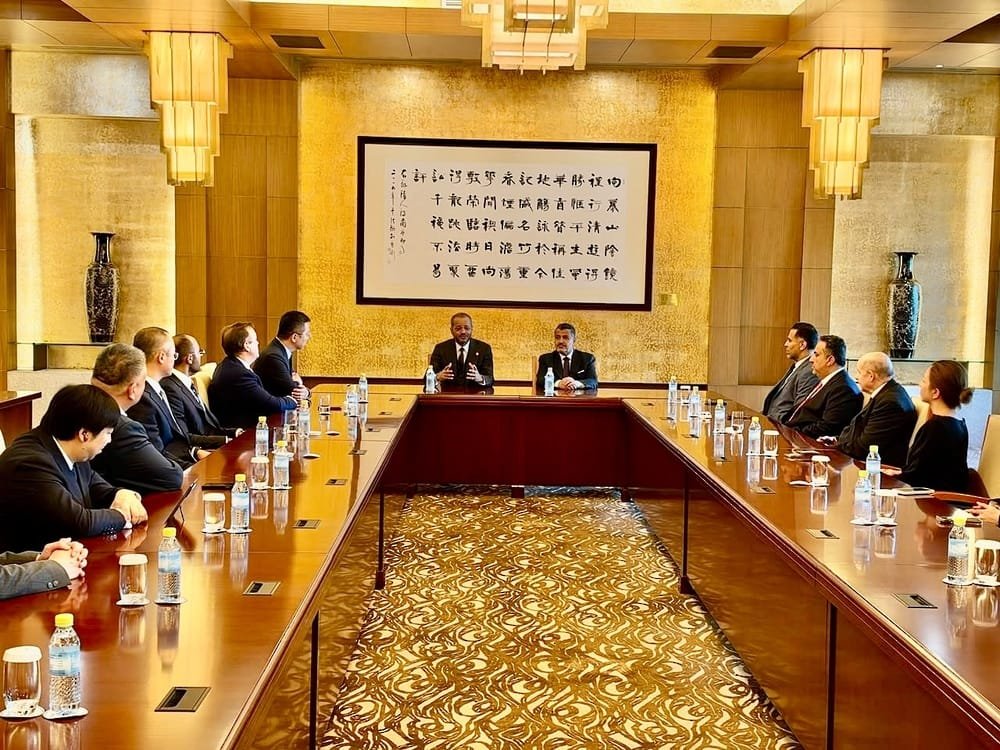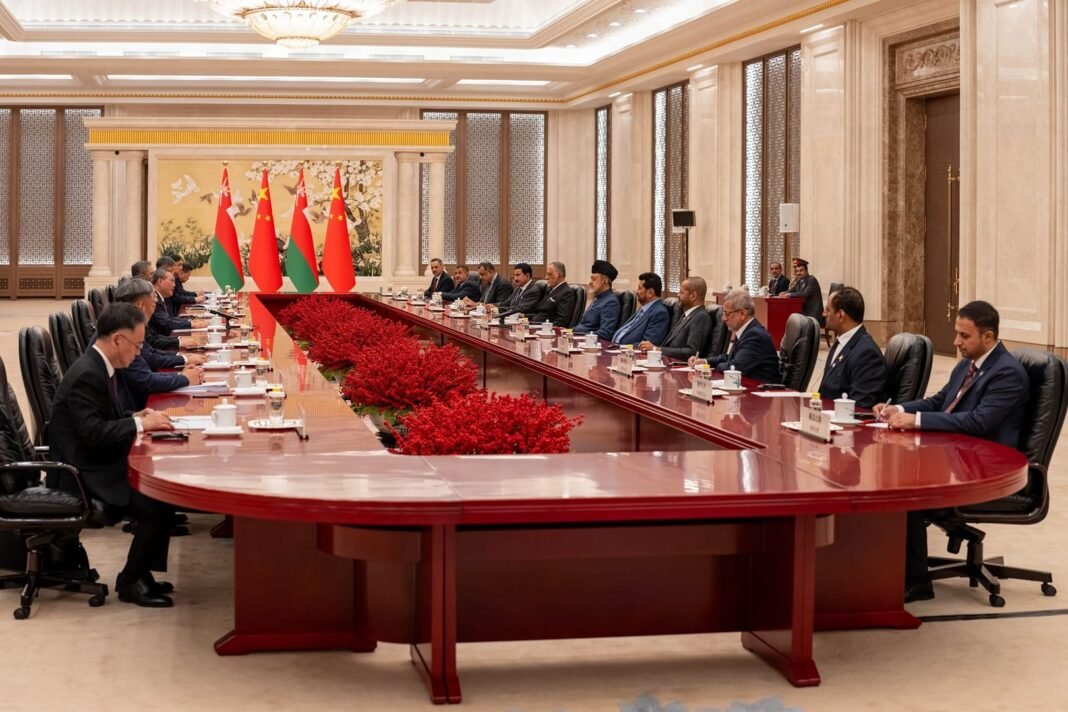
Reporting in a government statement, The visit of His Majesty Sultan Haitham bin Tarik to the People’s Republic of China represents a significant step in the development of relations between the two countries, according to a statement released by the Ministry of Foreign Affairs on 2 November 2026. This marks the first visit by an Omani Sultan to China, a fact that underscores the deliberate effort to build a more advanced and balanced relationship. The statement does not mention the specific value of the funding, but it does indicate a focus on expanding joint efforts across several key sectors, including energy, advanced industries, logistics, and knowledge transfer. This suggests an intent to leverage China’s capabilities while simultaneously diversifying Oman’s economic partnerships to enhance resilience.

Background
The statement references a long history of communication and understanding between Omani and Chinese civilisations, evolving over decades in response to shifts in political and economic landscapes. Previous statements by the Ministry, such as the joint statement with Botswana from 17 September, had framed similar engagements as reinforcing “bonds of friendship, mutual respect, and cooperation.” The Ministry’s October 21 statement regarding a visit to the United Kingdom renewed “momentum of strategic partnership,” indicating a consistent approach to cultivating relationships with key international partners. The Oman and China explore transport and technology investments statement from 2 November 2026 highlights a previous focus on joint ventures in transport and technology, suggesting a continuity in this approach. This history of engagement demonstrates a pragmatic, long-term strategy for Oman’s foreign relations, prioritizing results-oriented collaboration.
Analysis
The core incentive for Oman is to secure investment in strategically important sectors. The emphasis on “in-country value” – particularly in energy, advanced industries, logistics, knowledge transfer, and capacity building – reveals a desire to bolster Oman’s domestic economy. The statement does not address the specific terms of any investment agreements, but the breadth of sectors targeted indicates a comprehensive approach. This approach is consistent with Oman’s policy of balance and constructive neutrality, aiming to benefit from opportunities while mitigating potential risks. The focus on “mutual interests” suggests a willingness to adapt its partnership model to align with China’s strategic priorities. The statement’s reference to “consultation and exchanging views” on regional and international issues indicates a broader diplomatic objective – to position Oman as a constructive participant in global affairs.
Implications
The deepening relationship with China has implications for regional stability, particularly in the context of China’s growing influence in the Middle East. Should the visit yield investment in logistics and transport infrastructure, as the statement suggests, it could reshape trade routes and enhance Oman’s connectivity to global markets. The push for joint efforts in advanced industries could accelerate Oman’s industrial diversification, a key element of the country’s economic strategy. The statement does not address the potential impact on existing partnerships, but the broadening scope of cooperation suggests a strategic re-evaluation of Oman’s economic alliances. The intention to distribute partnerships to enhance resilience reflects broader concerns about geopolitical volatility and economic uncertainty.
Outlook
If the visit is successful in securing concrete investment agreements, Oman will be reliant on China’s continued commitment to these projects. Should China’s economic growth slow, as some analysts predict, the impact on Oman’s investment plans could be significant. The statement does not mention any specific milestones or timelines for the implementation of joint projects, leaving the future direction of the partnership uncertain. The success of this initiative hinges on Oman’s ability to effectively manage the risks associated with relying on a single economic partner.