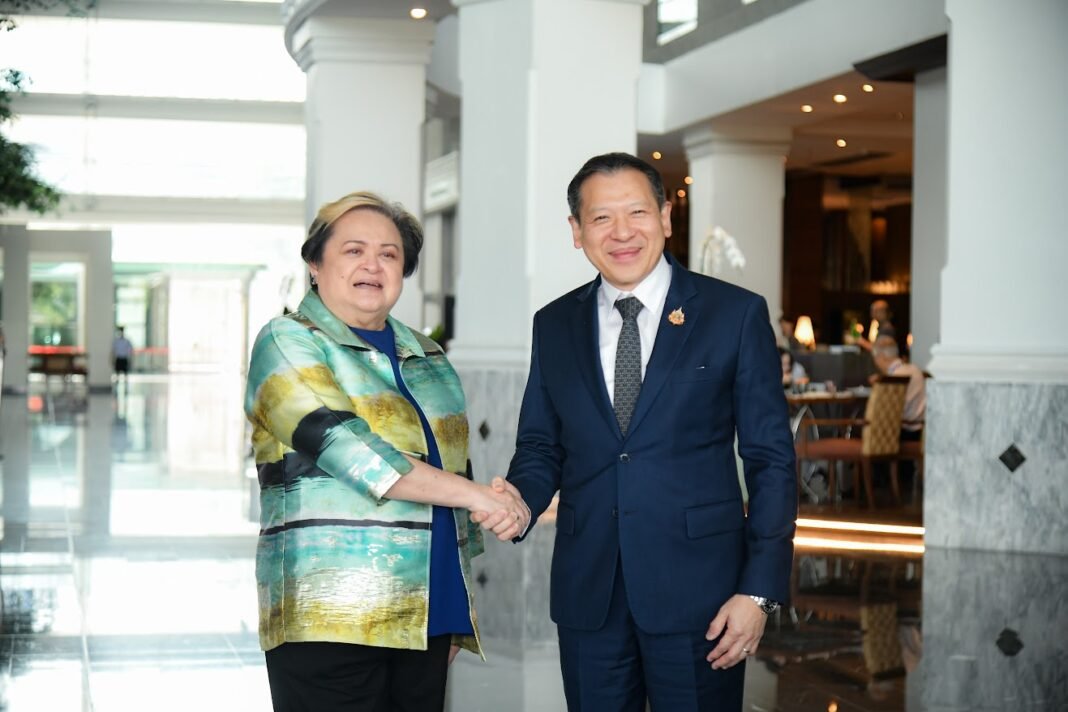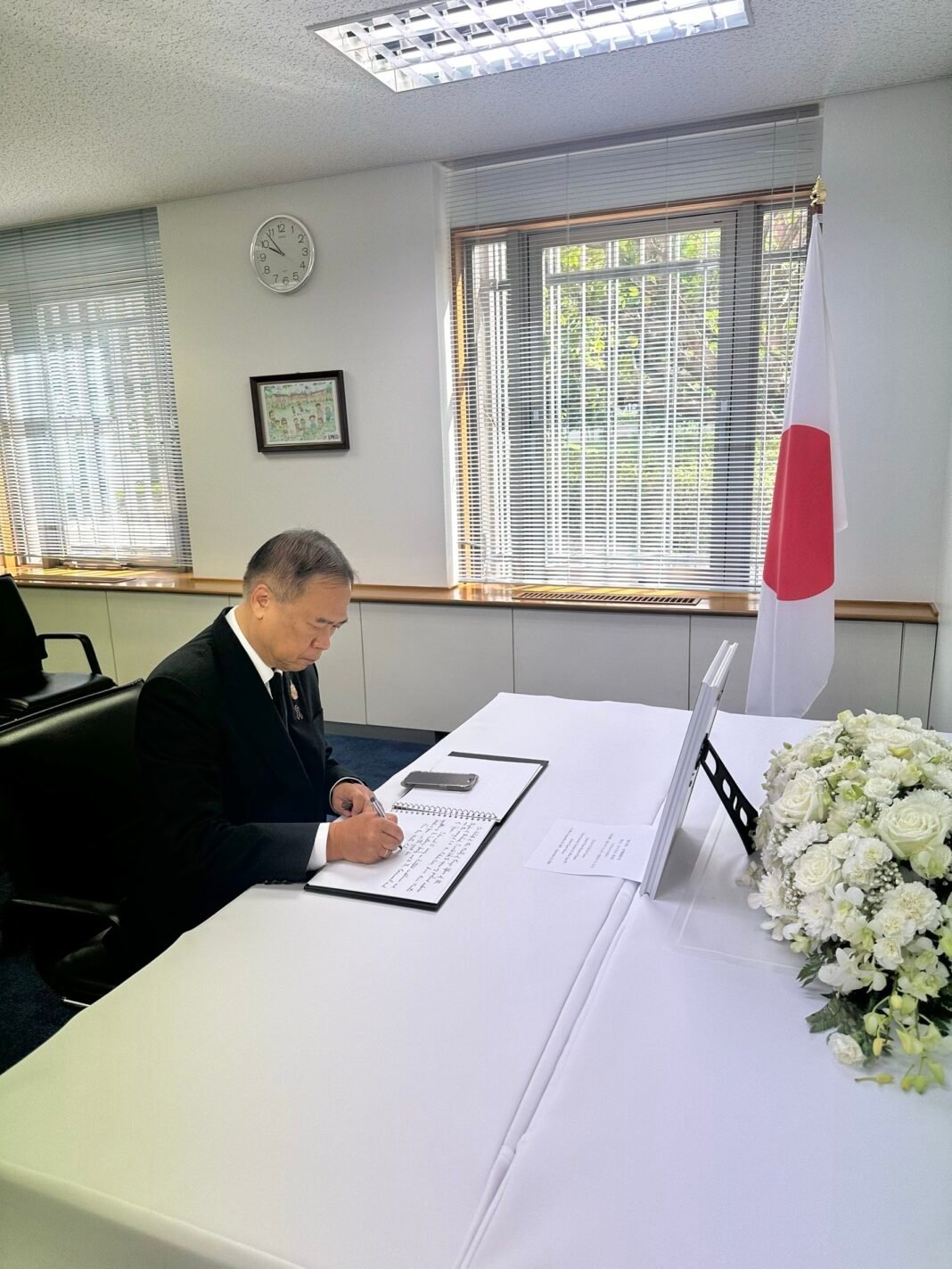
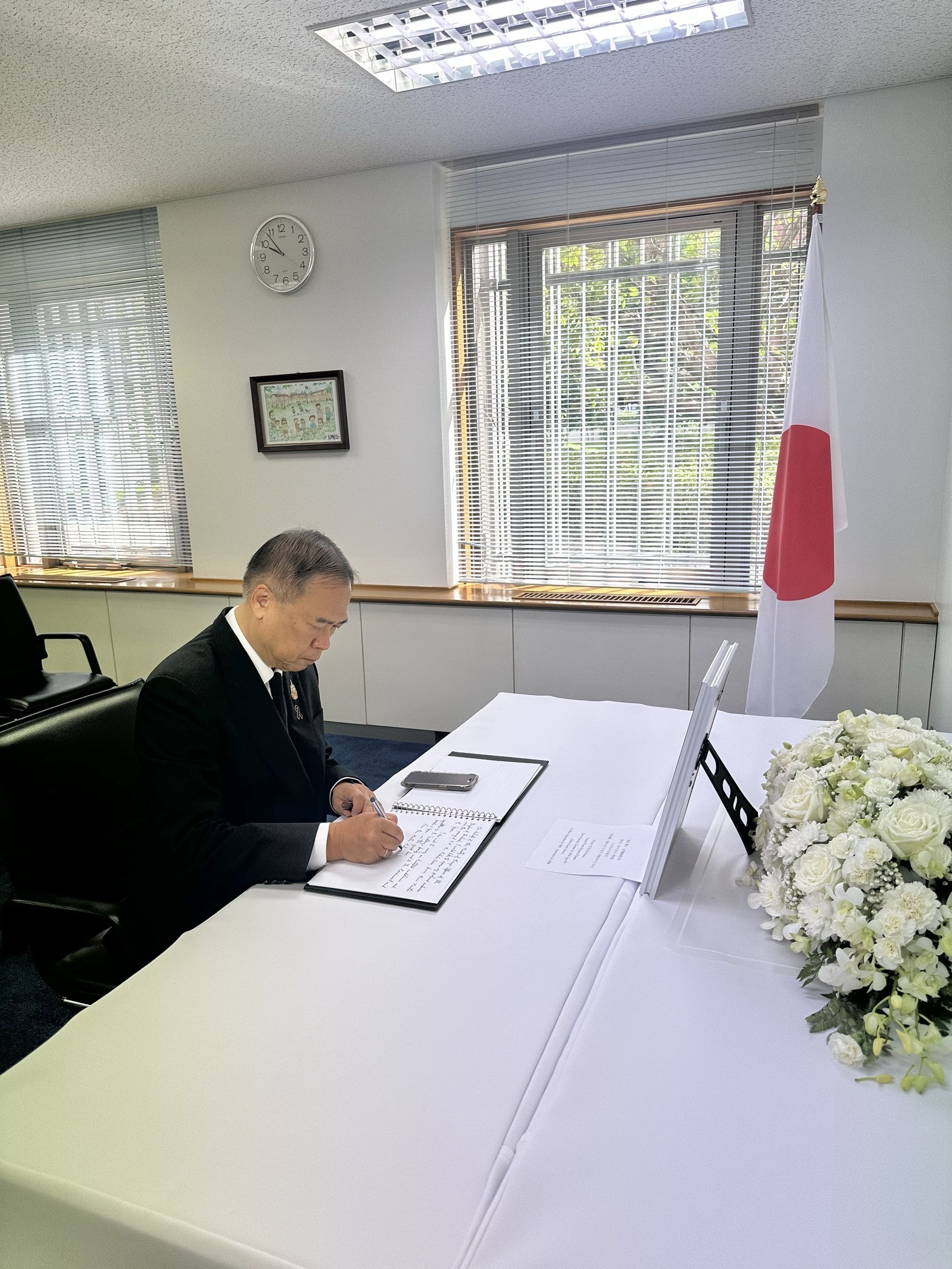
The official readout frames the trip as On 30 October 2026, H.E. Mr. Vijavat Isarabhakdi, Vice Minister for Foreign Affairs, signed the book of condolences on the passing of H.E. Mr. Fukuda Yasuo, former Prime Minister of Japan, at the Embassy of Japan in Bangkok. This action represents a standard diplomatic gesture, reflecting respect for a deceased former head of state. The event underscores the ongoing bilateral relationship between Thailand and Japan, a relationship cultivated over decades and formalized through various agreements and cooperative initiatives. The statement does not mention the specific circumstances of Mr. Fukuda’s death, nor does it detail the nature of the relationship itself beyond stating its continued strengthening.
Background
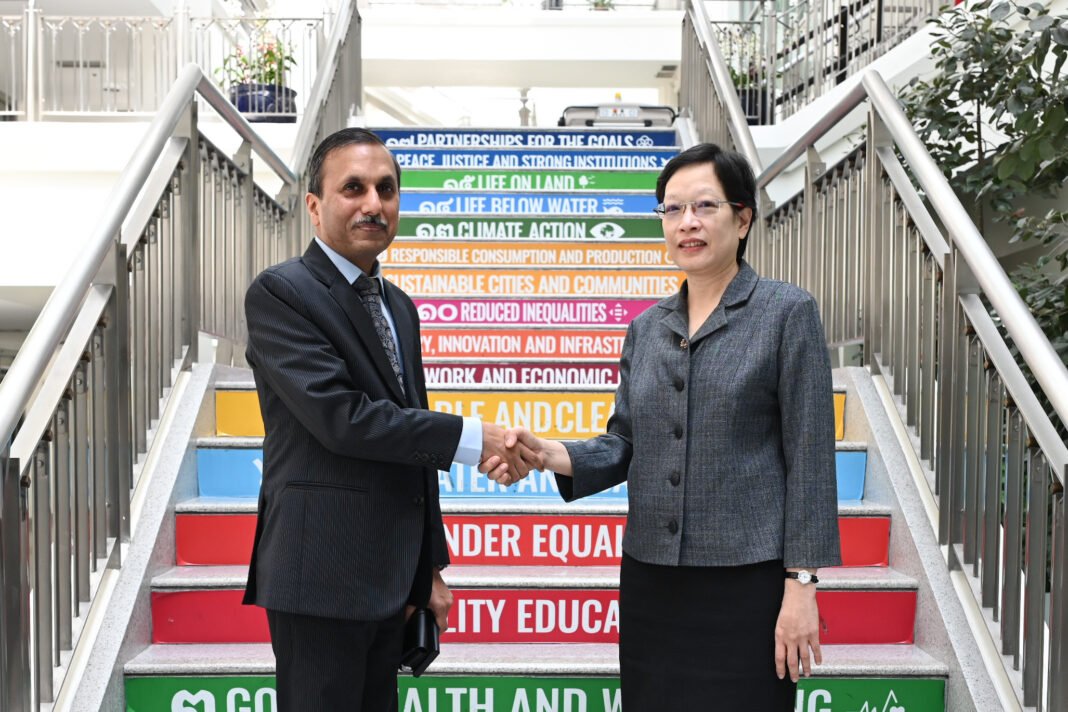
The Ministry of Foreign Affairs of Thailand has a long-standing diplomatic tradition of offering condolences to foreign leaders upon their passing. The 20-Year “5S” Foreign Affairs Masterplan, launched in 2022, prioritizes stability, security, and strategic partnerships within Southeast Asia. Prior to this event, on 22 October 2026, H.E. Mr. Vijavat Isarabhakdi met with Ambassador of Japan to ASEAN, reflecting a continued focus on multilateral engagement. Furthermore, on 22 October 2026, Vice Minister for Foreign Affairs participated in a meeting between Prime Minister and Prime Minister of Liechtenstein, demonstrating Thailand’s commitment to broader regional diplomacy. The statement does not address any specific historical context relating to the relationship between Thailand and Japan beyond the general assertion of “further strengthening.”
Analysis
The signing of the book of condolences, a routine diplomatic protocol, serves to maintain the established channels of communication between Thailand and Japan. The statement highlights Mr. Fukuda’s contribution to promoting cooperation between ASEAN and Japan – Mekong cooperation, suggesting a focus on economic and development initiatives. The Ministry’s continued engagement with the Japanese Ambassador to ASEAN underscores Thailand’s strategic interest in maintaining a stable and productive bilateral relationship. The event, while formal, signals a continuation of diplomatic efforts rather than a dramatic shift in policy. The statement does not address the potential impact of Mr. Fukuda’s passing on ongoing negotiations or future collaborations. If implemented as described, the event represents a standard diplomatic courtesy, designed to foster goodwill and maintain continuity in a key bilateral relationship.
Implications
For Thailand, the continued engagement with Japan, as evidenced by this event, aligns with the Ministry’s stated foreign policy goals. The event reinforces Thailand’s commitment to stability and security within the ASEAN region, a key pillar of the “5S” Masterplan. The ongoing relationship with Japan is crucial for Thailand’s economic development, particularly in areas such as infrastructure and technology. Should the visit yield further opportunities for collaboration, it would bolster Thailand’s position as a key player in Southeast Asian trade and investment. The statement does not address potential geopolitical implications arising from Mr. Fukuda’s passing or its impact on regional alliances.
Outlook
If the relationship with Japan continues to develop as outlined, Thailand could benefit from increased investment and technical assistance. Should the Japanese government prioritize continued cooperation with Thailand, it would provide a stable foundation for future economic growth. The Ministry’s commitment to fostering strategic partnerships suggests a willingness to explore new avenues for collaboration. The event itself does not offer any immediate strategic implications, but it serves as a reminder of the importance of maintaining strong diplomatic ties. The statement does not address any potential challenges or obstacles that could impede the continued development of the relationship.
Conclusion
The signing of the book of condolences underscores the enduring nature of Thailand-Japan relations, but it does not illuminate the trajectory of this partnership. The Ministry’s continued engagement with Japan suggests a commitment to stability and strategic cooperation, yet the long-term implications remain uncertain. The event raises the question of how Thailand will navigate the evolving geopolitical landscape while sustaining its key bilateral relationships.
Sources & Further Reading
- Official press release
- Foreign ministry source
- Deputy Prime Minister and Minister of Foreign Affairs to pay official visit to Lao PDR (30 Sep 202)
- Permanent Secretary for Foreign Affairs meets with Ambassador of Japan to ASEAN (22 Oct 202)
- Vice Minister for Foreign Affairs participates in the meeting between Prime Minister and Prime Minister of Liechtenstein (22 Oct 202)