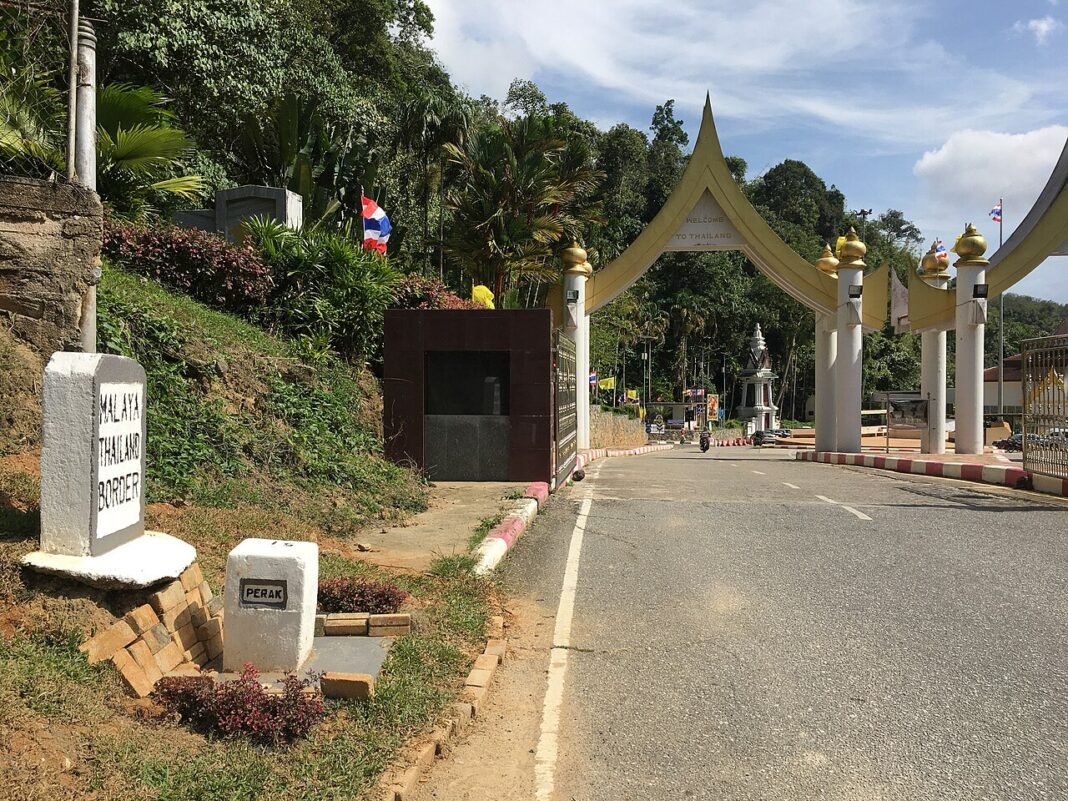
The official readout frames the trip as The statement does not mention the most consequential concrete detail: on 25 October 2026, Dato’ Seri Utama Haji Mohamad bin Haji Hasan, Minister of Foreign Affairs of Malaysia, will pay a working visit to Thailand and co-chair the Thailand – Malaysia 16th JC and 7th JDS meetings. This event, occurring at the Waldorf Astoria Bangkok, represents a continuation of established bilateral cooperation mechanisms. The significance lies in the reiteration of Thailand’s commitment to these dialogues, particularly concerning the Southern Border Provinces and cross-border connectivity, as outlined in the statement.

Background
The Thailand-Malaysia Joint Commission for Bilateral Cooperation (JC) is the principal mechanism for reviewing progress and setting the direction of bilateral cooperation. The statement does not mention the specific dates of the 15th and 6th JC and JDS meetings, held in Kuala Lumpur on 6 August 2024. The 7th Ministerial Meeting of the Thailand-Malaysia Committee on Joint Development Strategy for Border Areas (JDS) is similarly established as the key mechanism for advancing joint development. The statement explicitly links these meetings to the 70th anniversary of the establishment of diplomatic relations between the two countries, scheduled for 2027. Prior statements, dated 7 September 2026 and 4 September 2026, detail a planned working visit by the Deputy Prime Minister and Minister of Foreign Affairs to Malaysia, further indicating a sustained diplomatic engagement.
Analysis
The continued focus on security cooperation, particularly regarding Thailand’s Southern Border Provinces, suggests a persistent concern shared by both nations. The statement does not address the underlying drivers of instability in the region. The inclusion of border area development and defence cooperation highlights a practical, operational dimension to the bilateral relationship. The emphasis on economic and trade cooperation, and cross-border connectivity, reflects a desire to leverage shared geographical proximity and existing trade flows. The reference to ASEAN engagement, and specifically the situation in Myanmar and Thailand–Cambodia issues, indicates a recognition of Thailand’s broader regional role and the need for coordinated responses to external challenges. The meetings serve as a preparatory step for a significant anniversary, potentially influencing the tone and priorities of future discussions.
Implications
For policymakers, the ongoing JC and JDS meetings represent a crucial platform for managing a complex and strategically important bilateral relationship. Should the visit yield positive outcomes in border security and economic development, it could bolster investor confidence and support regional integration. The focus on ASEAN engagement suggests a desire to contribute to broader regional stability, potentially through coordinated efforts on issues such as Myanmar. The statement does not mention the potential impact of these discussions on Thailand’s trade relations with other nations, or the broader implications for regional supply chains.
Outlook
If the visit yields a renewed commitment to addressing the challenges in the Southern Border Provinces, it could pave the way for increased development assistance and security cooperation. Should the discussions on economic and trade cooperation result in concrete agreements on cross-border connectivity, it could stimulate economic growth in both countries. However, should the meetings primarily focus on reiterating existing commitments without addressing underlying tensions, the impact on regional stability would be limited. The statement does not address the potential for disagreements on the management of the Thailand–Cambodia border dispute to derail the proceedings.
Conclusion
The Thailand-Malaysia JC and JDS meetings represent a recurring, albeit often understated, element of Bangkok’s foreign policy. The continued dialogue, framed around established mechanisms, underscores a commitment to stability and cooperation, yet the statement does not reveal the extent to which these efforts are truly addressing the fundamental challenges facing the region’s most vulnerable areas.
Sources & Further Reading
- Official press release
- Foreign ministry source
- Deputy Prime Minister and Minister of Foreign Affairs meets over working lunch with the Minister of Foreign Affairs of Malaysia (7 Sep 2026)
- Deputy Prime Minister and Minister of Foreign Affairs to pay a working visit to Malaysia (4 Sep 2026)
- Permanent Secretary for Foreign Affairs meets with Ambassador of Bangladesh to Thailand (12 Oct 202)