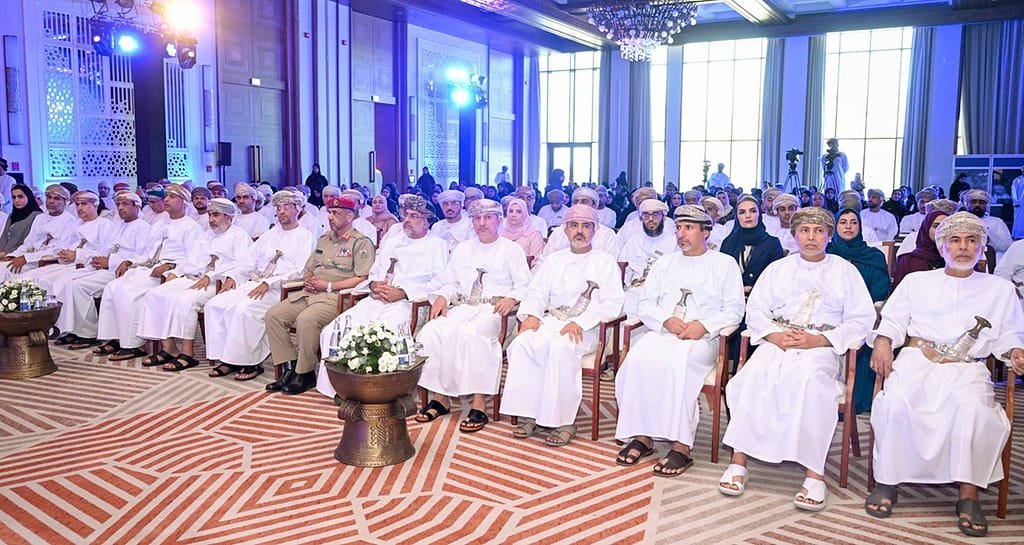
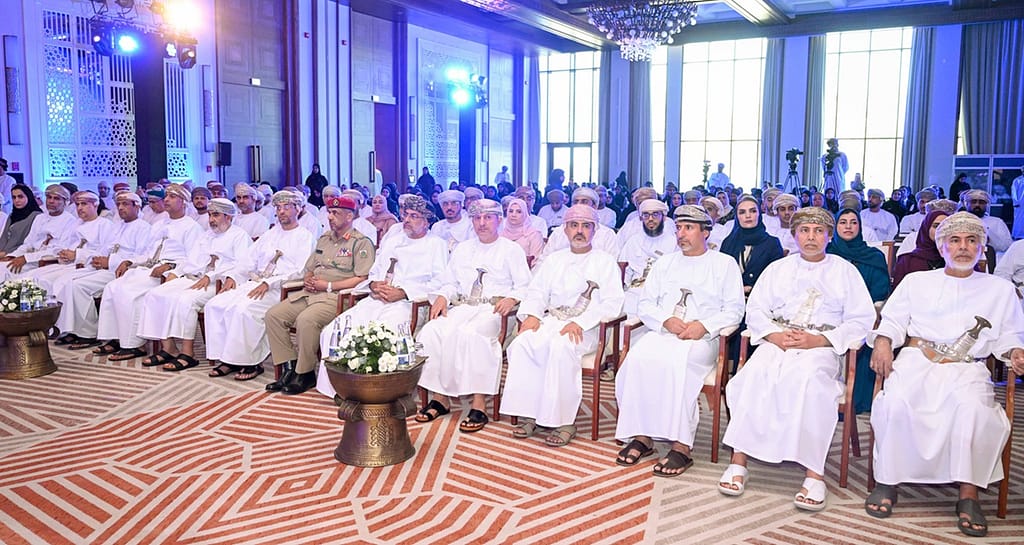
The foreign ministry readout describes The Sultanate of Oman has launched the second phase of its National Digital Economy Programme (2026–2030), targeting a contribution of OMR 1.5 billion to GDP, OMR 300 million in technology investments and 3,000 new direct jobs annually through digital economy initiatives. This marks a significant expansion of the programme’s ambition, building on previous initiatives and reflecting a commitment to diversifying Oman’s economy. The investment is predicated on the current 9% contribution of the digital economy to Oman’s GDP, as indicated by a survey conducted by the National Centre for Statistics and Information in cooperation with the Ministry of Transport, Communications and Information Technology (MCTIT).
Background: The launch ceremony, held under the patronage of Sultan Al Habsi, Minister of Finance, signifies the culmination of the first phase of the National Digital Economy Programme, which commenced in 2021. The programme’s overall timeline extends to 2040, structured across four phases, with the ultimate goal of strengthening national digital industries, expanding digital exports, and improving Oman’s global competitiveness. Prior to this launch, the MCTIT had been focusing on developing national digital skills and infrastructure, as highlighted by Dr Ali bin Amer Al Shidhani, Undersecretary for Communications and Information Technology at the MCTIT. This build-out is further underpinned by the overarching strategy of Oman Vision 2040, with the digital economy programme serving as a key pillar.
Analysis: The programme’s stated investment represents a concerted effort to address Oman’s economic diversification challenges. The focus on strategic economic sectors, e-commerce, and small and medium enterprises (SMEs) suggests an attempt to leverage digital technologies to transform traditional industries. The rise in Omanisation rates – from 33% in 2022 to 46% in 2026 – alongside increased technology profession Omanisation (from 50% to 72%) indicates a deliberate policy to prioritize local talent within the digital economy. The launch of the Strategic Intelligence Platform, developed in cooperation with the World Economic Forum, suggests a recognition of the need for data-driven policymaking. If implemented as described, this platform could provide valuable insights into emerging trends and inform strategic decisions. The programme’s reliance on AI, semiconductors, and support for technology startups suggests a deliberate effort to foster innovation and create new economic opportunities.
Implications: The substantial investment outlined in the second phase of the programme has significant implications for regional stability and trade. The focus on expanding access to regional and international markets through digital commerce could bolster Oman’s trade relationships. The programme’s emphasis on AI and digital industries positions Oman to potentially benefit from the global growth in these sectors. The rise in Oman’s global ranking in the UN Telecommunications Infrastructure Index – to 22nd globally in 2024 – underscores Oman’s commitment to developing a world-class digital infrastructure. The programme’s support for technology startups could catalyse innovation and economic growth within the country.
Outlook: Should the visit yield a sustained commitment to the programme’s goals, Oman’s digital economy could experience accelerated growth. If the 3,000 new direct jobs are created annually, this would represent a significant boost to employment rates. If the Strategic Intelligence Platform proves effective in informing policymaking, it could improve the efficiency and effectiveness of government decision-making. The continued rise in Omanisation rates within the technology sector will be a crucial factor in the programme’s success.
Conclusion: The launch of the second phase of the National Digital Economy Programme represents a significant, if somewhat opaque, investment in Oman’s future. The programme’s success hinges on the effective implementation of its ambitious goals and the ability of the government to navigate the complexities of the digital economy landscape. The long-term impact will depend ultimately on the degree to which Oman can translate its digital investments into tangible economic outcomes.