Bogotá, 16 de octubre de 2026 – Colombian citizens residing abroad now have an expedited route to passport renewal through a newly launched online service, as announced by the Ministry of Foreign Affairs. The statement does not address the volume of applications expected, nor the potential impact on processing times. — the full statement has further detail.

Background
The Ministry of Foreign Affairs, via its “tramitesmre.cancilleria.gov.co” portal, is implementing this digital passport renewal process. The initiative, effective immediately, responds to a growing demand for more accessible passport services for Colombians living outside of the country. Prior to this, renewal typically involved a physical visit to a Colombian consulate or embassy, a process often hampered by bureaucratic delays and travel costs. The press release specifies that the service is available for requests related to passport expiration, damage, page exhaustion, theft, or loss, and voluntary changes, provided the requirements are met.
To utilize the service, applicants must meet two key criteria: they must be over 18 years of age and possess a previously issued Colombian passport dated after November 17, 2017, with a successful fingerprint verification recorded during the prior application. The statement does not mention the specific number of Colombian citizens residing abroad, nor the current backlog of passport requests.
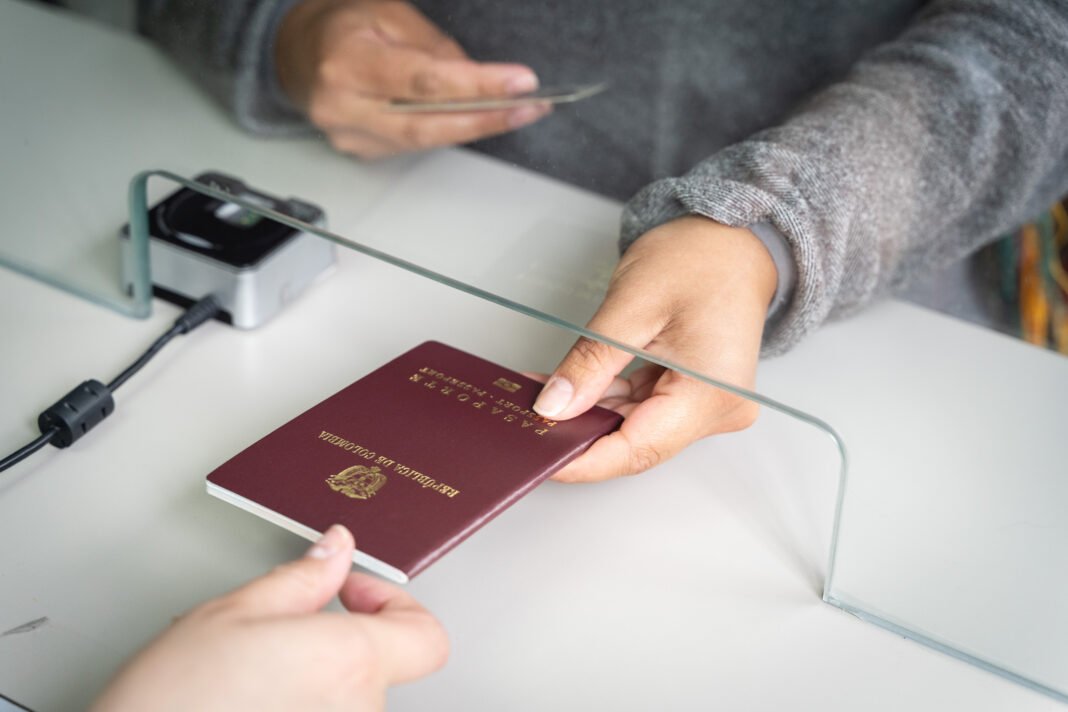
The process itself involves accessing the online portal at tramientosmre.cancilleria.gov.co/tramites/enlinea/pasaporte/solicitar.xhtml, completing a digital form with personal data and the passport number from the previous application. Applicants are required to upload a recent photograph with a white background, following the platform’s instructions. The statement does not specify the technical requirements for the image upload.
Crucially, the online application is solely for requesting the renewal. The physical collection of the renewed passport remains a mandatory in-person step, requiring applicants to reclaim the document at the designated office selected during the initial online application. The statement does not detail the specific locations where passport collection will be available.
Analysis
The Ministry’s move reflects a broader trend within the Colombian government toward digitalizing public services. This initiative aims to reduce bureaucratic inefficiencies and improve accessibility for its citizens, particularly those living abroad. The press release does not elaborate on the anticipated impact of this shift on the workload of Colombian consulates and embassies, nor on the potential for increased security measures to prevent fraud.
The eligibility criteria – requiring passports issued after November 17, 2017 – suggests a desire to modernize the Colombian passport system, aligning it with current biometric standards. The requirement for a successful fingerprint verification highlights a commitment to enhanced security and combating identity theft. The statement does not address the potential challenges of verifying fingerprints remotely or the impact on individuals who may have lost or damaged their original passports.
The emphasis on official channels – discouraging the use of “tramitadores” (facilitators) – underscores a concern about corruption and unauthorized access to sensitive personal data. The government’s attempt to control the flow of information and direct citizens to official sources is a standard element of maintaining public trust. The statement does not detail the steps taken to ensure the security of the online platform or to protect applicant data.
Implications
This online passport renewal service has significant implications for Colombian citizens living abroad. It offers a more convenient and potentially faster way to obtain a renewed passport, reducing travel time and associated costs. Should the Ministry successfully implement this initiative, it could encourage greater engagement with the Colombian government by citizens living abroad. The statement does not address the potential impact on diplomatic relations, or the effect on Colombian diaspora communities.
From a regional stability perspective, streamlining passport issuance can facilitate travel and trade for Colombian citizens, potentially strengthening economic ties with countries where Colombians reside. The impact on trade routes and border security remains unaddressed. The initiative could also contribute to a positive image of Colombia as a modern and digitally-savvy nation, potentially attracting investment and tourism. The statement does not mention potential security concerns related to increased international travel.
Outlook
If the online passport renewal service proves successful, and the Ministry continues to refine the platform based on user feedback, it could serve as a model for other public services offered to Colombians abroad. Should the Ministry secure additional funding for the platform’s maintenance and security, the system could be expanded to include other consular services, such as birth certificates and marriage licenses. The statement does not outline a timeline for future expansion or improvements to the service.
Conclusion
The launch of this online passport renewal service represents a tangible step towards digital modernization within the Colombian Foreign Ministry. However, the long-term success of the initiative hinges on the Ministry’s ability to maintain the platform’s security, address potential technical challenges, and ensure equitable access for all Colombian citizens living abroad. The question remains: will this digital initiative truly enhance the experience of Colombian citizens abroad, or will it expose vulnerabilities within the system?