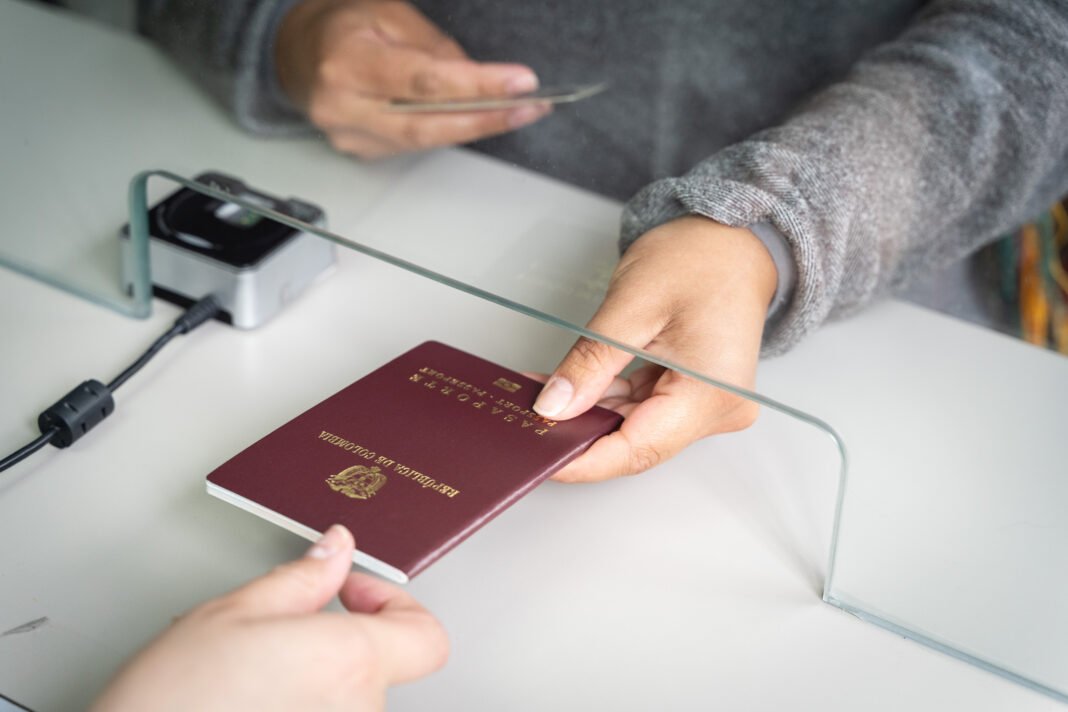
The foreign ministry readout describes Chile has achieved a 35% reduction in Chilean citizens exceeding authorized stay periods in the United States, according to a press release from the Ministry of Foreign Relatios (MINREL) issued on Friday, October 16, 2026. This decrease, representing a 1.5% reduction in those utilizing the Visa Waiver Program, marks the lowest level recorded in six years. This represents a critical step in maintaining the integrity of the program, a key benefit enjoyed by 350,000 Chileans annually, and underscores the government’s commitment to responsible implementation.
Background
The Visa Waiver Program allows Chilean citizens to travel to the United States for tourism or business purposes without requiring a visa, utilizing electronic authorization for stays of up to 90 days. The program is overseen by the Department of Homeland Security in the United States and administered by the Ministry of Foreign Relatios (MINREL) in Chile. The program’s success relies on a collaborative effort between MINREL, the Ministry of Interior, the Registro Civil e Identificación, the Policía de Investigaciones, and Carabineros de Chile, all working to ensure compliance with U.S. requirements. This collaborative effort is further highlighted by a joint declaration between the Presidents of Bolivia and Chile on October 16, 2026, and the ongoing work to expand economic and technological cooperation with Finland, as noted in a separate MINREL announcement.
Analysis
The significant drop in overstays suggests a demonstrable impact of the intensified collaboration between Chilean and U.S. agencies. This collaborative model, involving multiple Chilean institutions, indicates a strategic prioritization of program oversight. The statement by Minister Francisco Pérez Mackenna – “La exención de visa para viajar a Estados Unidos es un enorme beneficio que disfrutan 350 mil chilenos al año y mantenerlo requiere de compromiso y responsabilidad. Sigamos cuidándolo, respetando las normas migratorias y haciendo un uso responsable” – highlights the shared responsibility involved. The decrease in overstays doesn’t inherently represent a failure of the program, but rather a successful implementation of the preventative measures. This also suggests a heightened awareness among Chilean travelers regarding the program’s stipulations. The statement does not address the potential underlying factors contributing to the reduced overstays, such as increased border security or changes in traveler behavior.
Implications
This outcome has significant implications for Chile’s diplomatic relations with the United States, reinforcing the value of this bilateral cooperation. Maintaining a compliant Visa Waiver Program is crucial for fostering continued trade and investment flows between the two nations. The success of this collaborative effort could serve as a model for other countries seeking to manage tourism and business travel with the United States. Furthermore, the program’s stability benefits Chilean citizens who rely on it for travel, contributing to the country’s overall economic competitiveness. The decline in overstays also potentially reduces the administrative burden on both the Chilean and U.S. authorities involved in processing travel authorizations.
Outlook
Should the continued collaboration between MINREL and U.S. agencies yield similar results, the Ministry will likely maintain this approach. If the U.S. Department of Homeland Security continues to provide data and support, the program’s oversight mechanisms are expected to remain robust. However, if the U.S. were to introduce significant changes to the Visa Waiver Program, or if there were a substantial increase in travel volume, the Ministry would likely need to adjust its strategies. The continued success hinges on ongoing dialogue and adaptation to evolving security concerns and travel patterns.
Conclusion
The reduction in Visa Waiver overstays represents a tangible outcome of collaborative efforts, yet the statement does not address the underlying reasons for this decrease, nor does it offer a prognosis for the program’s future. The Ministry’s continued emphasis on “compromiso y responsabilidad” – commitment and responsibility – raises the fundamental question of how Chile can ensure the long-term sustainability of this vital diplomatic tool.