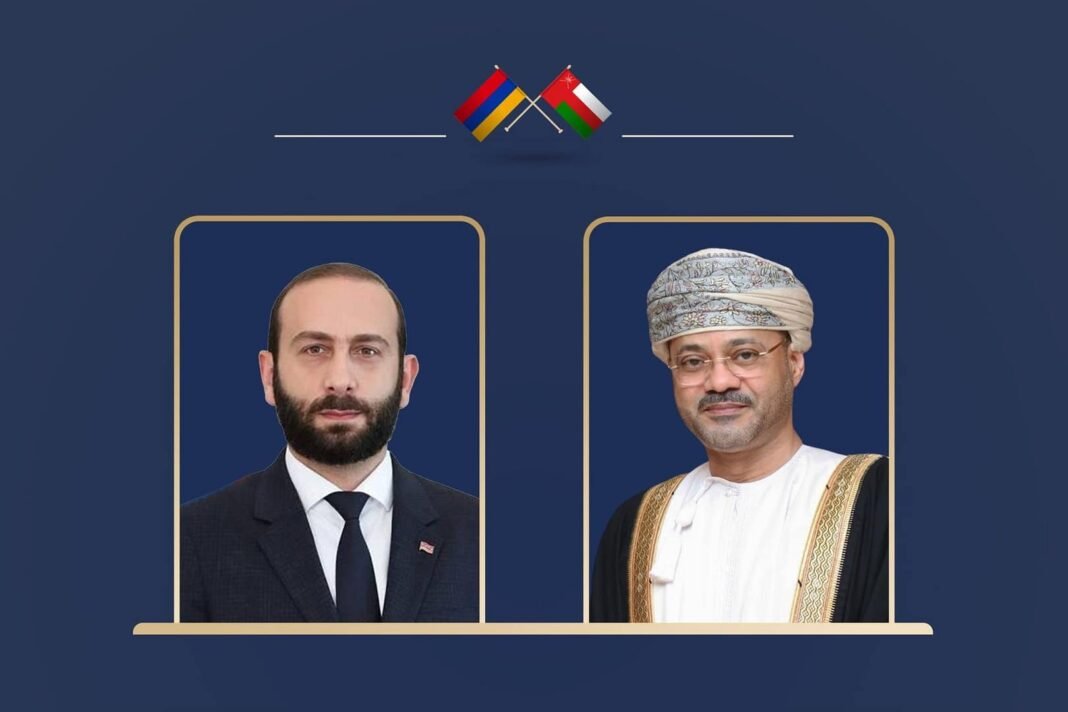
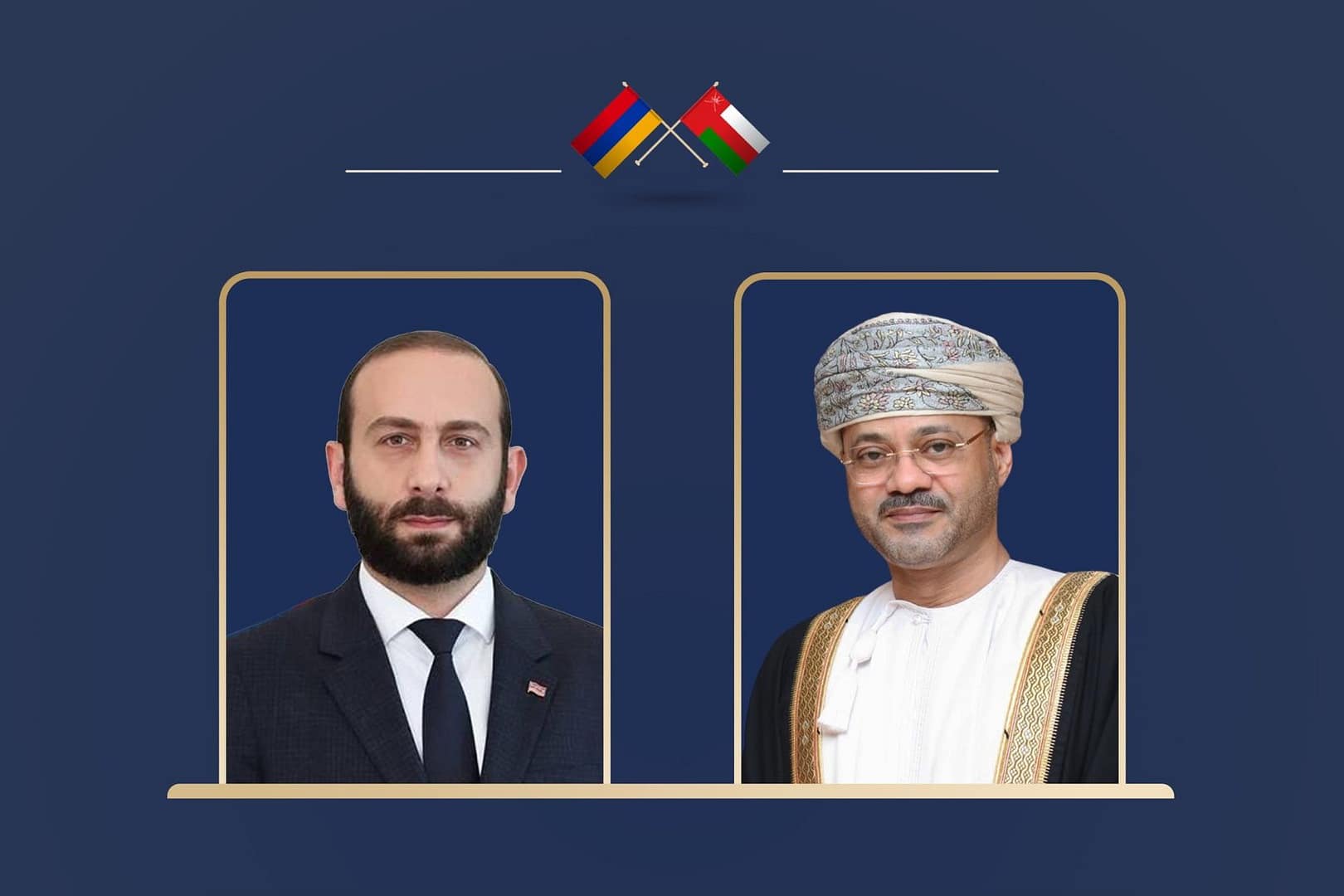
On October 12, 2026, Foreign Minister Sayyid Badr Albusaidi received a phone call from Ararat Mirzoyan, Minister of Foreign Affairs of the Republic of Armenia. This engagement, as outlined in a press release from the Ministry of Foreign Affairs, represents a continuation of Oman’s diplomatic efforts within the broader Middle East and Caucasus regions. The core purpose of the conversation, according to the statement, was to explore “ways to strengthen relations and cooperation between the Sultanate of Oman and the Armenia and ways to strengthen them across various fields to serve the interests of the two countries.” This suggests an ongoing priority for Oman to foster beneficial partnerships, particularly given the current geopolitical landscape.; see the full statement.
Background
The call occurred within a context of sustained diplomatic activity by the Ministry of Foreign Affairs. Prior to this communication, on September 18, 2026, a joint statement was issued following discussions with Kazakhstan, further demonstrating Oman’s commitment to regional alliances. Additionally, on October 6, 2026, a joint statement emerged from discussions with Angola, highlighting a consistent pattern of engagement across multiple nations. Furthermore, on October 8, 2026, the Ministry issued a statement condemning attacks on two Saudi airports, demonstrating Oman’s role as a mediator and advocate for regional stability. In March the ministry said they were working to restore freedom of navigation in the Strait of Hormuz and the Red Sea region, illustrating a focus on maritime security concerns. The call with Armenia follows a similar pattern of engagement, reflecting Oman’s established diplomatic network and its prioritization of security and stability. These prior statements by the Ministry underscore a consistent, if not always explicitly stated, commitment to regional dialogue and cooperation.
Analysis
The call’s focus on “strengthening relations and cooperation” indicates a desire to cultivate a stable bilateral relationship with Armenia. The statement’s inclusion of “security and peace” suggests that Oman’s diplomatic efforts are heavily influenced by regional security concerns, particularly in the context of broader instability in the Middle East and the Caucasus. The exchange of views on “regional and international issues of mutual interest” suggests a willingness to engage in discussions on a range of topics, although the specifics remain undisclosed. The statement does not address Armenia’s relationship with Azerbaijan, a key factor shaping the regional security environment. The call’s timing, occurring alongside other diplomatic engagements – including with Tunisia and Germany – reinforces Oman’s role as a facilitator of dialogue across diverse geopolitical zones. This suggests a calculated strategy to leverage its position as a neutral actor to promote stability and reduce tensions.
Implications
For policymakers, the call signals Oman’s continued engagement in regional diplomacy, even with countries facing significant external pressures. The focus on security and peace reflects a consistent priority for Oman, aligning with broader Gulf efforts to mitigate regional conflicts. The call’s implications extend to regional stability, as Oman’s diplomatic efforts can potentially contribute to de-escalation and dialogue. The statement does not address trade or investment opportunities, but the potential for expanded cooperation across various fields remains. The continued engagement with countries like Germany, which has expressed concerns about maritime security, highlights Oman’s willingness to address complex geopolitical challenges.
Outlook
Should the visit yield further discussions on regional security, Oman’s role could become increasingly important in mediating disputes and promoting stability. If the Ministers continue to exchange views on efforts to support and consolidate security and peace, it suggests a commitment to long-term engagement. However, if the call remains solely focused on strengthening bilateral relations, it may represent a limited step without tangible outcomes. The Ministry’s continued engagement with diverse partners suggests a flexible approach, adapting to evolving regional dynamics.