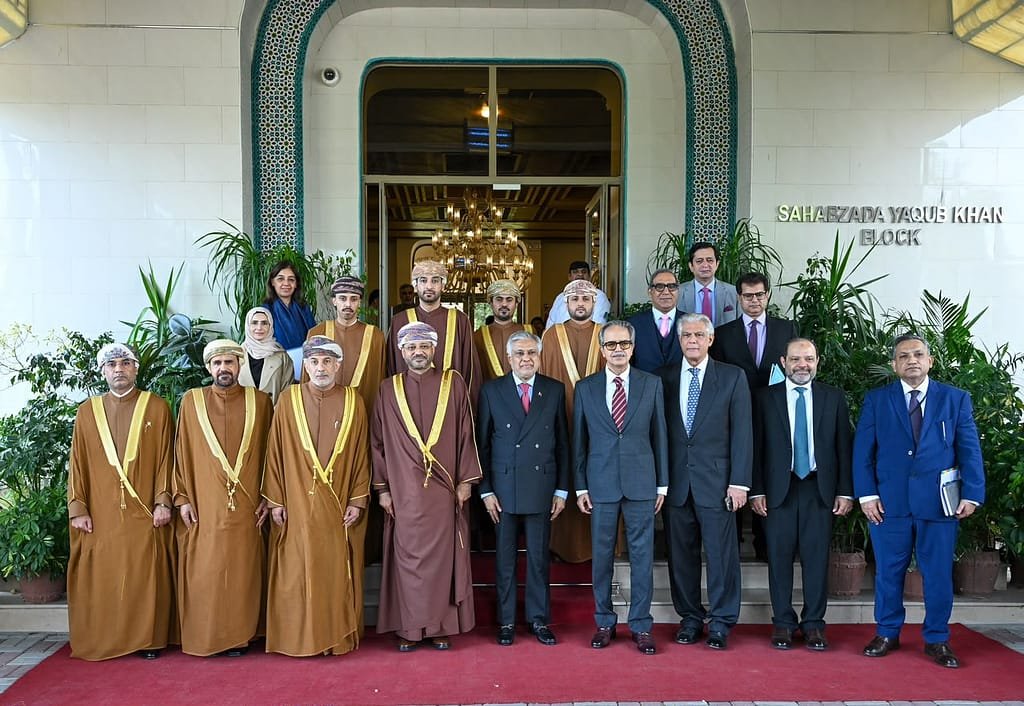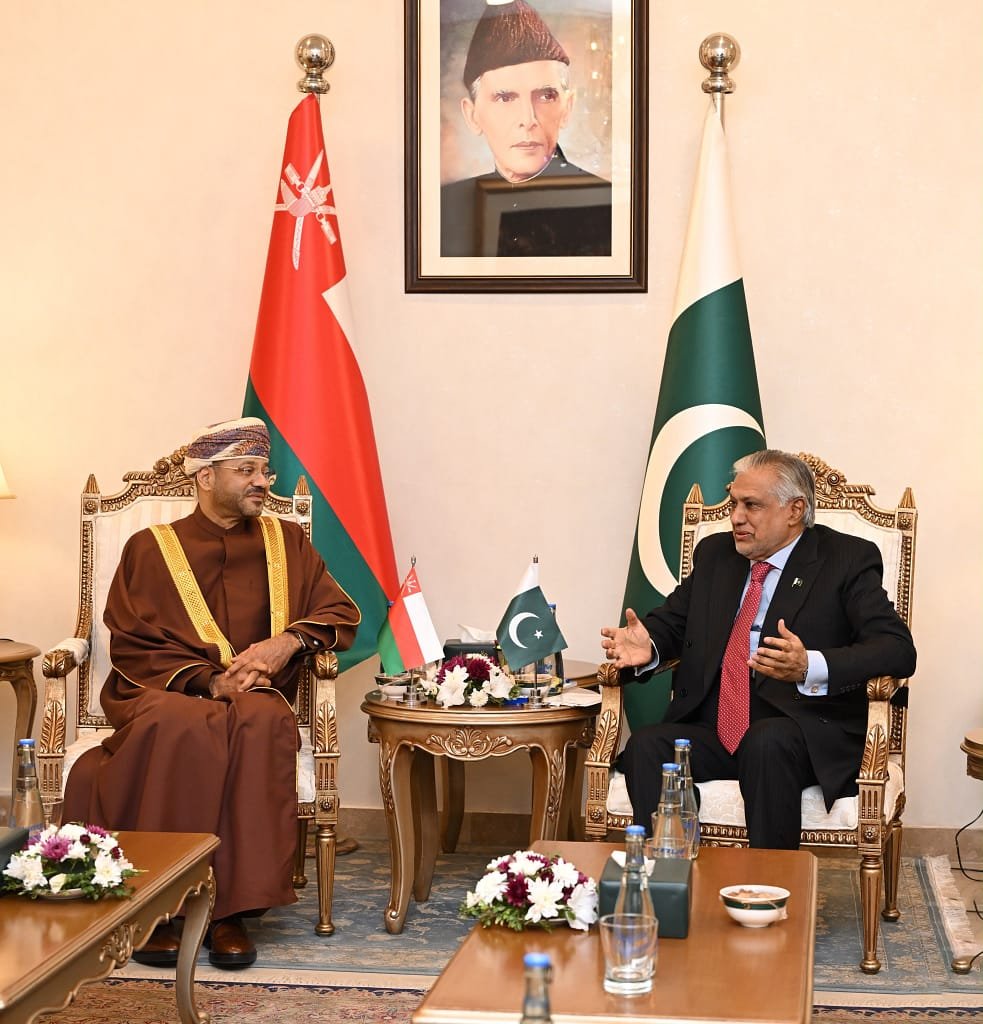
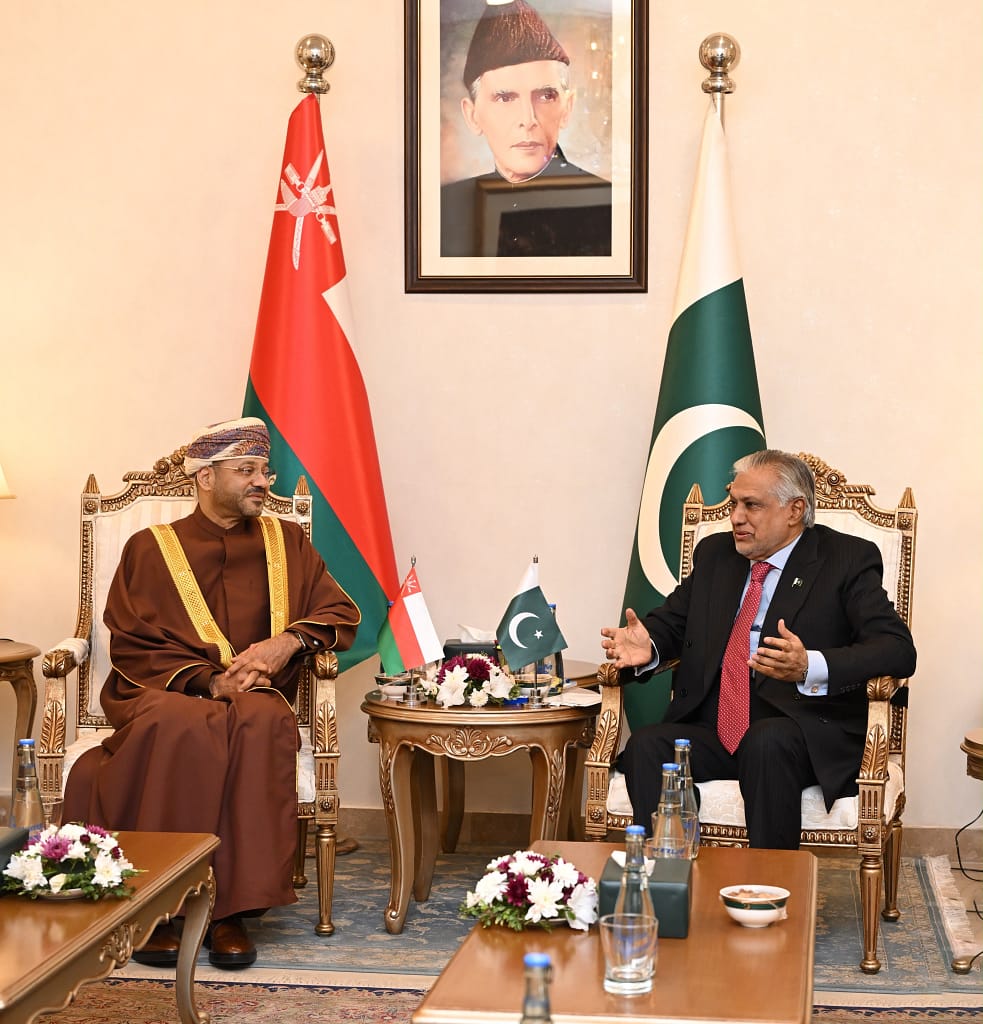
The official readout frames the trip as The meeting between Foreign Minister Sayyid Badr Albusaidi and Pakistani Deputy Prime Minister and Foreign Minister Mohammad Ishaq Dar, held in Islamabad on 14 October 2026, represents a continuation of diplomatic engagement between the two nations. The fact that this meeting occurred, and the stated aims of the discussions—reviewing relations and strengthening cooperation across multiple sectors—suggests a deliberate effort by Oman to maintain and potentially expand economic partnerships in a region facing considerable geopolitical challenges. This engagement directly addresses the needs of both countries, particularly as Pakistan navigates economic difficulties and Oman seeks to diversify its trade portfolio.
Background
Prior statements by the Ministry of Foreign Affairs indicate a sustained interest in fostering bilateral relations with Pakistan. The eighth session of the Joint Ministerial Committee, as reported on 14 October 2026, builds upon the framework established in earlier engagements, specifically the meeting in New York on 25 September 2026, where Ministers discussed opportunities for economic and investment cooperation. The Ministry’s phone call with the Uzbek counterpart on 13 October 2026 highlights a wider strategy of cultivating partnerships across Central Asia, suggesting a broader approach to diversifying economic interests. The statement does not address the specific nature of Pakistan’s economic challenges or Oman’s current investment priorities.
Analysis
The stated goals of the meeting – trade, investment, industry, agriculture, energy, transport, labour affairs, consular affairs and education – represent a comprehensive approach to strengthening bilateral ties. The emphasis on “joint projects that serve the mutual interests of both countries” reflects a pragmatic, rather than ideological, approach to cooperation. The inclusion of private sector institutions indicates a desire to leverage the capabilities of both nations’ business communities. The Ministers’ exchange of views on “current developments” suggests an awareness of the broader regional context, including Pakistan’s efforts to promote dialogue and contain crises. The meeting’s focus on reducing tensions and supporting regional stability implicitly acknowledges the ongoing challenges in the South Asian region. The statement does not address the current political climate in Pakistan or the potential impact of Ishaq Dar’s position on future negotiations.
Implications
For Oman, the meeting’s success—should the visit yield tangible agreements—could bolster its trade portfolio and provide access to new markets. Strengthening ties with Pakistan aligns with Oman’s broader strategy of diversifying its economic partnerships beyond traditional Gulf allies. Regionally, the meeting’s emphasis on coordination and adherence to international law indicates an attempt to contribute to stability in a volatile area. The agreement on continued coordination suggests a commitment to diplomatic engagement as a tool for managing regional tensions. The statement does not address the potential impact of this collaboration on Oman’s relationship with other regional actors.
Outlook
Should the visit yield agreements on joint projects, particularly in transport and logistics, as discussed in previous statements, it would represent a concrete step forward. If the Ministers can successfully explore opportunities for private sector collaboration, this could unlock significant investment potential. Should Pakistan’s economic situation remain challenging, the meeting may primarily focus on securing access to resources and markets, rather than undertaking large-scale investment projects. The meeting’s outcome will depend on the willingness of both sides to overcome logistical and political hurdles.