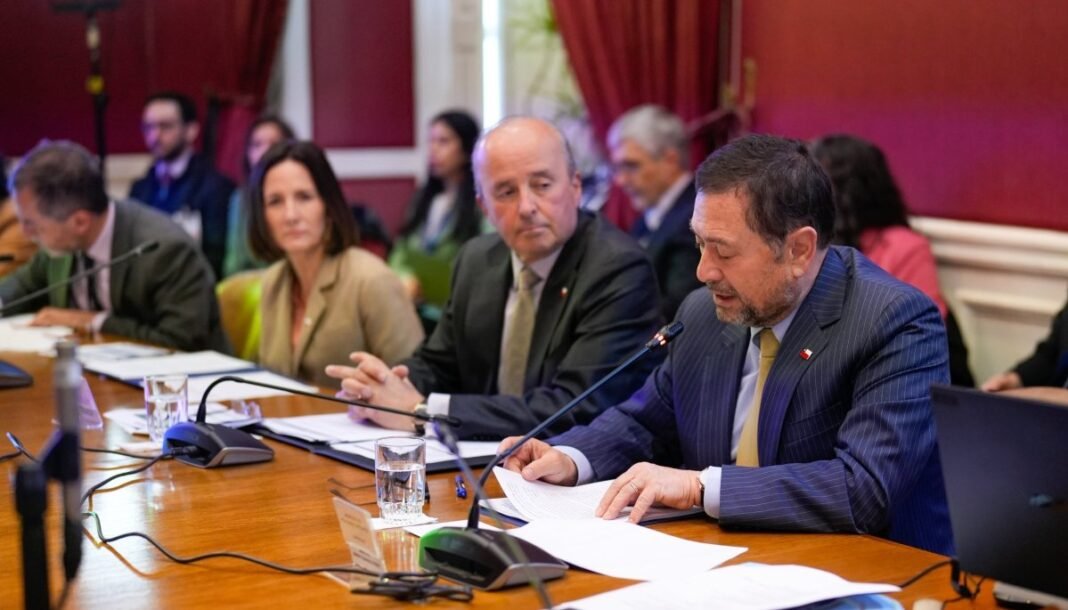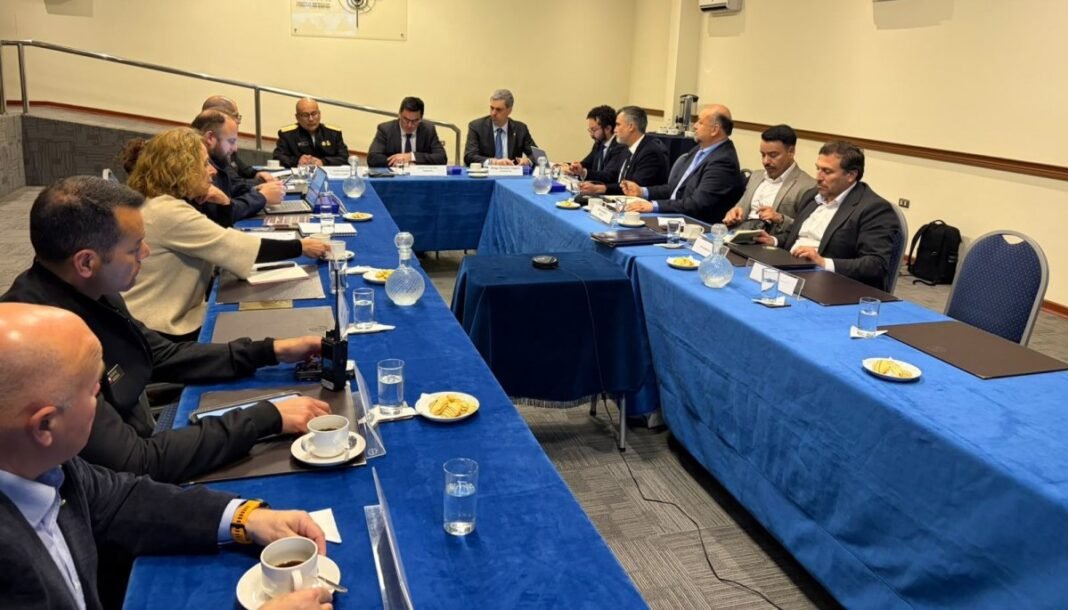
The Chilean Ministry of Foreign Affairs, through its National Section of the Antarctic Conservation Commission (CCRVMA), held its second ordinary session of 2026 on Friday, October 9, 2026. The meeting aimed to advance interinstitutional coordination and prepare Chile’s participation in the upcoming 45th meeting of the Commission, scheduled for October 19-30 in Hobart, Australia. This event, as detailed in a press release, highlights a key element of Chile’s ongoing strategy within the Antarctic Treaty System and underscores the government’s commitment to responsible resource management in the Southern Ocean. The significance of this engagement lies in Chile’s ambition to shape the discussions surrounding marine protected areas and sustainable fishing practices within the Antarctic Commission, a region increasingly relevant to global food security and biodiversity conservation. (Read the full statement.)
Background
The CCRVMA, established under the Antarctic Treaty System, serves as the primary forum for coordinating the conservation and sustainable use of living marine resources in the Antarctic. Chile’s National Section plays a crucial role in representing the country’s interests within this international body. Previous meetings in October 2025, as noted in the statement, have involved sustained work by the División de Asuntos Antárticos within the Ministry of Foreign Affairs, gathering perspectives from national institutions, the CCRVMA members, the private sector, and civil society organizations. This collaborative effort is critical for Chile’s preparation for the upcoming 45th Commission meeting, which will determine key conservation strategies for the Antarctic region.
Analysis
The participation of Diego Bunster, as Secretary Executive of the National Section, reflects a strategic prioritization of marine conservation. The focus on the proposed Area Marina Protegida in the Dominio 1 (AMPD1) – designated area 1 – suggests a calculated approach to protecting vulnerable marine ecosystems. The inclusion of Pesca Chile, a representative of the Chilean fishing sector, indicates a deliberate effort to integrate industry perspectives into the conservation process. This approach acknowledges the economic realities of the fishing industry while seeking to align it with broader conservation goals. The statement does not address the potential tensions between these competing interests. The continued work of the División de Asuntos Antárticos, highlighted in the press release, demonstrates a sustained commitment to this complex undertaking. The fact that the meeting occurred on October 9, 2026, underscores the urgency surrounding the preparations for the 45th CCRVMA meeting.
Implications
Chile’s increased engagement within the CCRVMA carries several implications. Firstly, it signals a renewed commitment to securing influence within the Antarctic Treaty System, particularly concerning marine protection. Successfully advocating for the AMPD1 could set a precedent for similar protected areas in other Antarctic regions. Secondly, the incorporation of Pesca Chile suggests a potential pathway towards collaborative management strategies for the fishing sector, though the statement does not specify the details of this collaboration. From a regional stability perspective, continued engagement within the CCRVMA contributes to the broader framework of Antarctic governance, mitigating potential conflicts related to resource exploitation. The event also demonstrates Chile’s diplomatic activity, as evidenced by the concurrent meetings with representatives of the Giant Magellan Telescope Observatory and with the Ambassadors of El Salvador and Bolivia, as detailed in related press releases.
Outlook
Should the visit yield success in securing support for the AMPD1 proposal, Chile will be positioned to influence the broader conservation agenda of the 45th CCRVMA. If Pesca Chile’s participation proves fruitful, this could lead to pilot programs for sustainable fishing practices within the designated area. However, should the Australian delegation resist proposals for strengthened marine protection, Chile will be forced to adapt its strategy, potentially focusing on monitoring and enforcement efforts. The statement does not address whether Chile will seek alternative avenues for collaboration or pursue bilateral agreements to supplement its engagement within the CCRVMA.
Conclusion
The second session of the National Section of the CCRVMA highlights Chile’s sustained effort to shape the future of Antarctic conservation. The ongoing dialogue surrounding marine protection and sustainable fishing practices remains unresolved, leaving open the question of whether Chile can successfully balance its national interests with the broader imperatives of the Antarctic Treaty System.