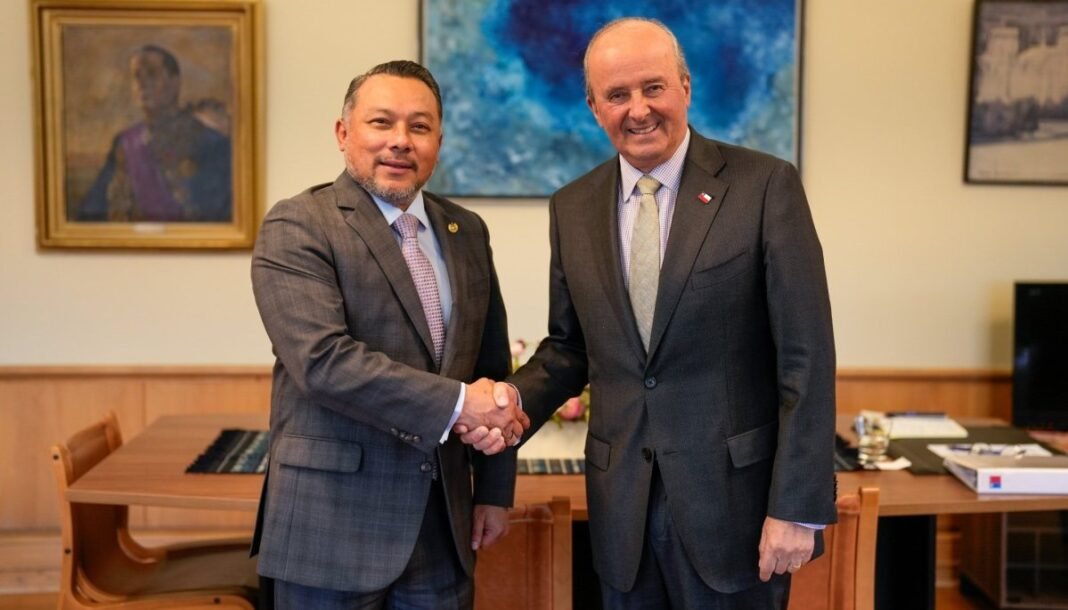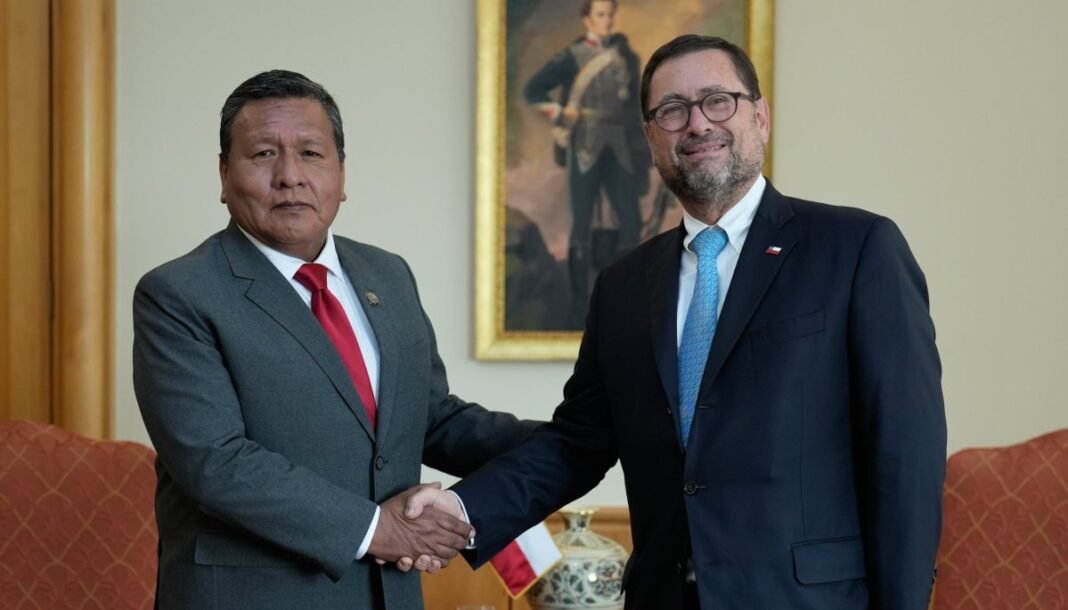
Background: The meeting occurred within the framework of preparations for President Kast’s official visit to Bolivia, scheduled for October 16, 2026. This visit, as the statement indicates, is intended to “constitute a clear signal of the interest of both governments” in deepening dialogue. Prior to this meeting, bilateral relations had been characterized by a series of disputes, most notably concerning the import of Bolivian timber into Chilean ports. The Ministry of Foreign Relations (minrel.gob.cl) had previously, on September 17, 2026, announced that Minister Pérez Mackenna accompanied President Kast in a meeting with the United States Ambassador to Chile, Brandon Judd, highlighting the complex web of diplomatic engagements surrounding the relationship. The 1904 Treaty of Peace and Friendship, along with its accompanying agreements, remains the foundational legal framework for this engagement.
Analysis: The core of the discussion centered on Bolivia’s concerns regarding specific shipments of wood originating from Bolivia that had been detected in Chilean ports. Huanca’s expressed worry reflects a potential vulnerability for Bolivia, particularly given the country’s reliance on timber exports. The statement does not address the volume of timber involved or the specific investigations underway. The emphasis on “due process” and “guarantees” suggests a sensitivity to potential accusations of unfair trade practices or violations of international agreements. The upcoming Group of Work on Free Transit Chile-Bolivia is intended to tackle these issues. This suggests a need for a structured, legally-grounded approach to resolving the dispute. The timing of the meeting, just days before the planned visit, indicates a proactive effort to manage the relationship and prevent the timber issue from escalating. This suggests a desire to avoid disrupting the broader agenda of cooperation, including security and trade.
Implications: For Chile, the meeting represents an opportunity to demonstrate a commitment to upholding its trade obligations and resolving disputes through established legal mechanisms. Should the visit yield a productive dialogue, it could strengthen bilateral ties and pave the way for increased cooperation in areas such as counter-narcotics efforts. However, the unresolved timber issue poses a potential risk to the broader relationship, particularly if investigations lead to significant penalties for Chilean operators. Regionally, the situation underscores the challenges of managing trade disputes within the Andean Pact. The meeting signals a continued need for robust trade agreements and effective dispute resolution mechanisms.
Outlook: If the visit yields a commitment to a transparent and impartial investigation into the timber shipments, and should the authorities demonstrate a willingness to address Bolivia’s concerns, it could de-escalate the immediate tension. However, should the investigations produce evidence of wrongdoing on the part of Chilean officials or companies, it could significantly damage the relationship. Furthermore, should the Group of Work fail to produce tangible progress within 30 days, the underlying tensions are likely to remain unresolved, potentially jeopardizing the President Kast’s visit.
Conclusion: The meeting between Pérez Mackenna and Huanca represents a carefully calibrated diplomatic maneuver, attempting to navigate a complex and potentially fraught relationship. The unresolved timber dispute remains a significant point of contention, highlighting the need for continued dialogue and a commitment to upholding both legal obligations and mutual trust.
Sources & Further Reading
- Official press release
- Foreign ministry source
- Viernes 2 de octubre de 2026 Ministro Pérez Mackenna se reúne con el cónsul general de Bolivia en Chile y destaca activa agenda de cooperación en seguridad y comercio (Unknown Da)
- Jueves 17 de septiembre de 2026 Canciller acompaña al Presidente Kast en reunión con el embajador de Estados Unidos en Chile (Unknown Da)