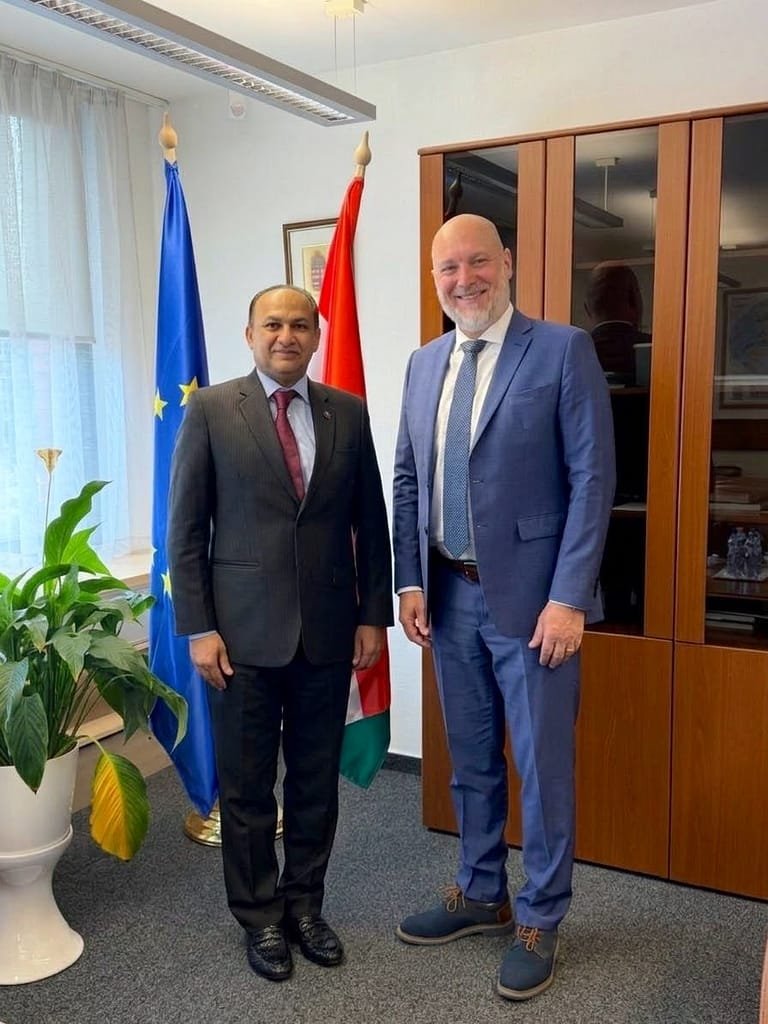
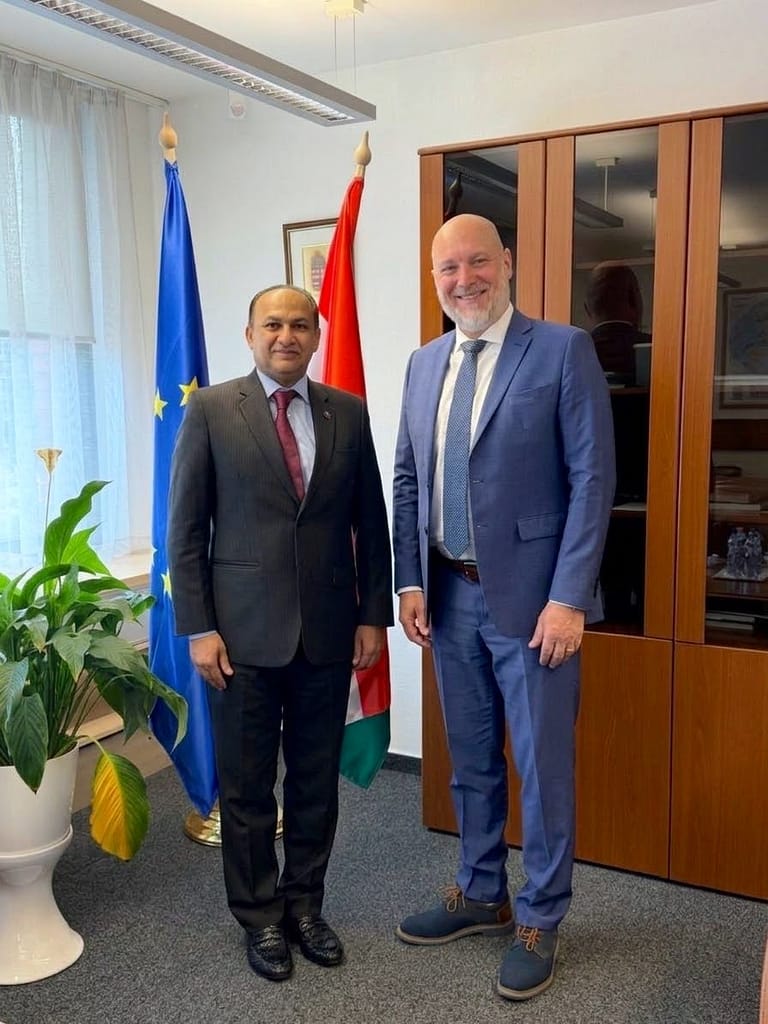
Details in a press release show that The Sultanate of Oman received Deputy State Secretary for Relations with the Global South, Ivan Medveczky, at the Hungarian Ministry of Foreign Affairs on 9 October 2026. This engagement, as outlined by the Ministry, is intended to review cooperation between the two countries and to identify ways to strengthen and develop that cooperation. The implicit stakes lie in Oman’s broader strategy of diversifying its diplomatic partnerships and securing access to European markets, particularly within the framework of its regional initiatives.
Background
The meeting follows previous engagements between Omani diplomatic representatives and various European nations. In September 2026, Ambassador Issa Alalawi, Head of the Mission of the Sultanate of Oman in Thailand, met with Chettaphan Maksamphan, Deputy Permanent Secretary for Foreign Affairs of Thailand, at the Ministry’s headquarters in Bangkok. Prior to this, Abdullah bin Omar Al Haddad, Acting Head of the Embassy of the Sultanate of Oman in Palestine, received the Palestinian Minister of Justice, Sharhabeel Al Zaeem, in Palestine. These meetings demonstrate a sustained effort by Oman to cultivate relationships across a range of international partners. The Ministry’s press release does not mention any specific agreements reached during the meeting with Medveczky, nor does it detail the scope of the cooperation being reviewed.
Analysis
The focus on “relations with the Global South” as indicated by Medveczky’s title suggests a deliberate positioning of Oman within a broader geopolitical landscape. This engagement with Hungary, a member of the European Union, could be viewed as a strategic move to secure access to EU trade networks and potentially to leverage Hungary’s relationships within the bloc. The statement does not address the specific sectors of cooperation being examined, but the phrasing “strengthen and develop” implies a desire for deeper engagement. The meeting’s timing is notable, occurring alongside ongoing political consultations with Nepal and efforts to combat human trafficking, suggesting a multi-faceted approach to Oman’s foreign policy.
Implications
This meeting has implications for Oman’s regional standing and its efforts to diversify its economic partnerships. Should the visit yield positive outcomes regarding trade and investment opportunities, it could bolster Oman’s position as a key player in the Gulf region. The engagement also reflects Oman’s continued commitment to multilateral diplomacy, as evidenced by its ongoing dialogues with Thailand, Palestine, and Kazakhstan. The statement does not address the potential impact of this meeting on Oman’s security posture or its involvement in regional conflicts.
Outlook
If the visit yields a commitment to further discussions on specific areas of cooperation, as suggested by the phrasing “strengthen and develop,” Oman could be signalling a sustained interest in deepening ties with Hungary. Should the meeting result in a joint statement outlining concrete steps, it would represent a tangible outcome of the diplomatic engagement. The statement does not address any potential timelines for follow-up meetings or the formation of working groups to explore specific areas of collaboration.
Conclusion
The meeting with Medveczky represents another step in Oman’s ongoing efforts to broaden its diplomatic network. The discussion’s outcome remains uncertain, but the continued engagement highlights Oman’s commitment to strategic partnerships and its role in navigating the complexities of the international arena. The question remains: will this meeting translate into tangible benefits for Oman’s economic and political objectives?