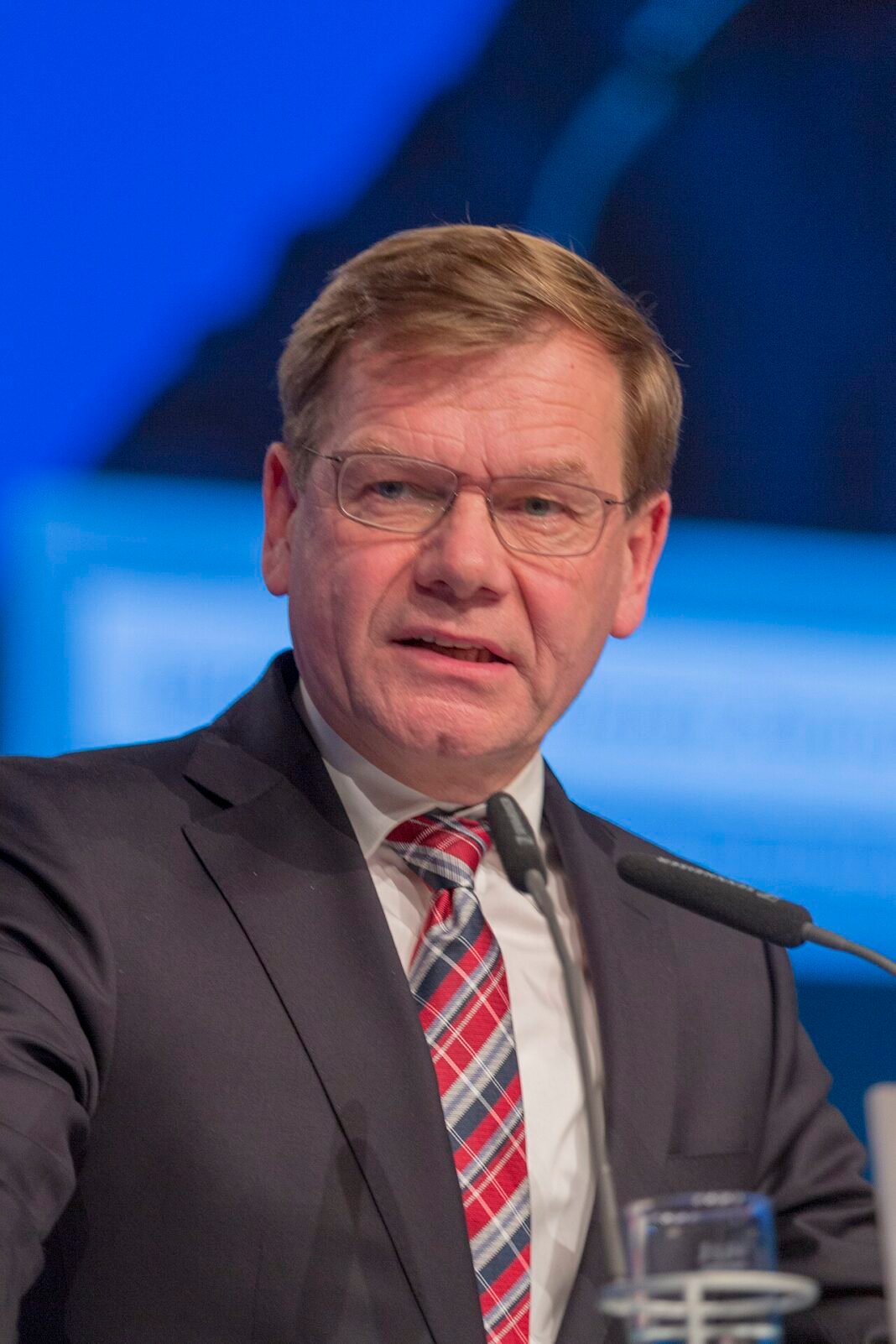
Details in a press release show that Prior to his departure for The Hague, Bratislava and Strasbourg on 28 September 2026, Foreign Minister Johann Wadephul issued a statement emphasizing the importance of international rules, stating that “International rules are only as strong as our commitment to enforcing them.” This underscores a key strategic priority for Germany’s foreign policy, particularly in a context where international institutions face increasing scrutiny. The statement details a multi-faceted trip designed to reinforce Germany’s support for established international legal mechanisms and bolster collective security within Europe.

Background
The statement outlines a series of planned engagements. First, a visit to the foreign ministry of the Netherlands in The Hague, alongside Dutch counterpart Tom Berendsen, will include a visit to the International Criminal Court (ICC). This engagement specifically addresses the ICC’s role in combating impunity for serious crimes and the limitations of national judiciaries in such cases. Secondly, Wadephul will attend a session of the Parliamentary Assembly of the Council of Europe in Strasbourg. Finally, he will visit Slovakia, a partner state within the European Union and NATO, to reiterate the importance of collective action, particularly in response to threats to European security. The statement references Germany’s commitment to strengthening joint defensive capabilities and supporting Ukraine, given the current geopolitical landscape.
Analysis
The visit signals a deliberate effort by Germany to reaffirm its commitment to the international legal order. The focus on the ICC, a court frequently criticized for its perceived bias and limited jurisdiction, reflects a recognition of the need for alternative mechanisms to address crimes that national legal systems fail to resolve. This is compounded by Germany’s explicit reference to its own history – a calculated move to demonstrate an understanding of the consequences of failing to uphold the rule of law. The simultaneous emphasis on strengthening NATO and supporting Ukraine highlights a prioritization of European security, framing Russia’s actions as a direct threat requiring collective deterrence. The statement does not address the ongoing discussions surrounding defense spending within NATO or Germany’s contribution to the Ukraine conflict.
Implications
The actions undertaken by Wadephul have implications for regional stability and Germany’s broader foreign policy posture. The reinforcement of the ICC’s capacity is intended to project German influence within the international legal framework and signal a willingness to challenge what the statement terms “anti-democratic and authoritarian trends.” The visit to Slovakia underscores Germany’s commitment to the EU and NATO, aligning with the broader strategic goals of collective defense. If the visit yields increased collaboration on security matters, it could bolster the alliance’s ability to deter Russian aggression. The statement also implicitly acknowledges the ongoing security challenges in Eastern Europe, reinforcing Germany’s support for Ukraine and its commitment to maintaining stability within the Euro-Atlantic space. The visit does not address the potential impact of increased defense spending on Germany’s economic policy.
Outlook
Should the visit yield a strengthened commitment from the Netherlands to contribute to the ICC’s functioning, and should Germany secure increased support from NATO member states for Ukraine’s defense, the implications for European security would be positive. If the visit to Slovakia fails to generate tangible commitments regarding joint defense capabilities, it would suggest a continued divergence in strategic priorities among European partners. The statement does not address the potential for further escalation of tensions in Eastern Europe, nor does it provide any indication of Germany’s long-term strategy regarding relations with Russia.