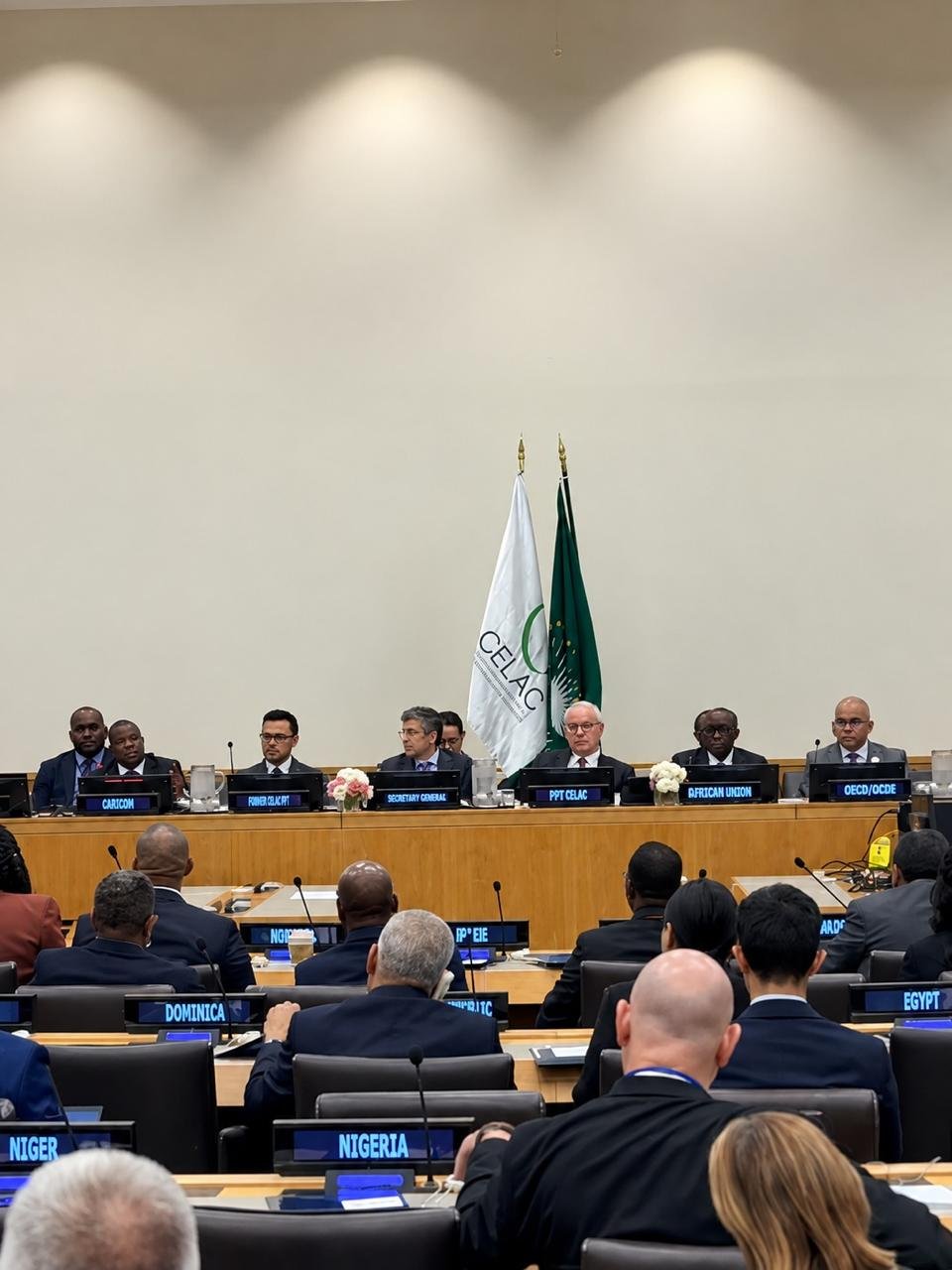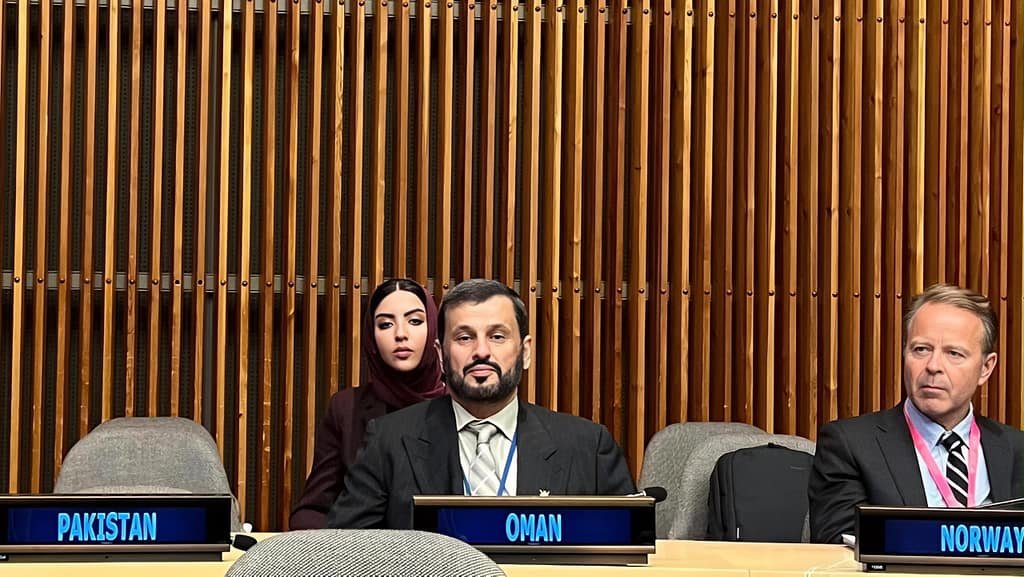
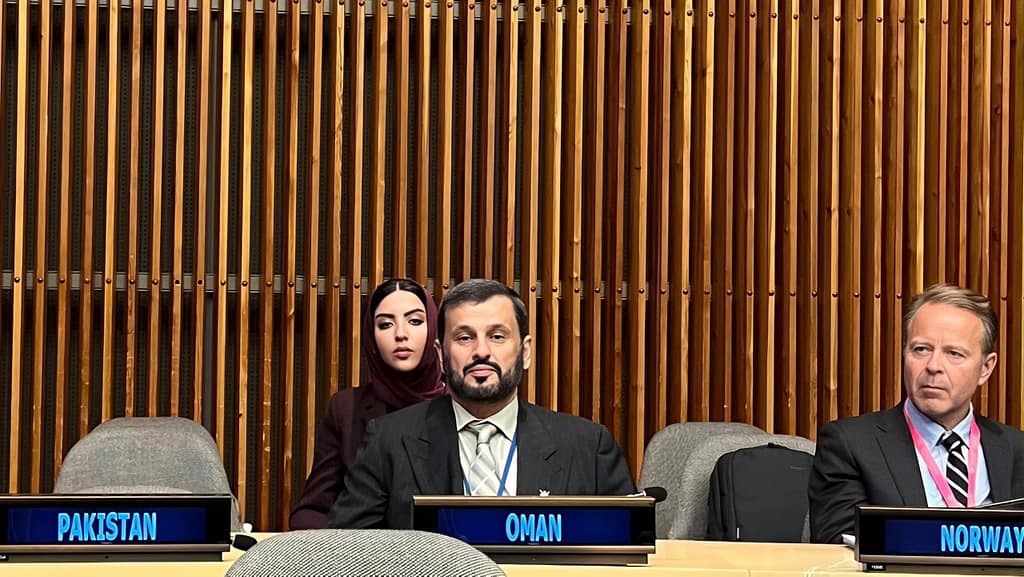
The official readout frames the trip as The Sultanate of Oman participated in a high-level meeting of the Group of Friends of the United Nations Alliance of Civilizations (UNAOC) held at the United Nations headquarters in New York on the sidelines of the 81st session of the United Nations General Assembly. This event, occurring on 26 September 2026, matters because it reflects Oman’s ongoing commitment to international efforts promoting dialogue and understanding across cultures and religions—a priority explicitly stated by the Alliance.
Background
Oman’s participation in this meeting follows its prior engagement in the 16th Ministerial Meeting of the United Nations Group of Friends of Mediation, held on 24 September 2026, under the theme “A Broader Coalition for Peace: Strengthening Mediation through Inclusive Partnerships.” Furthermore, on 25 September 2026, the Minister of Foreign Affairs, Sayyid Badr Albusaidi, met with Dr Khalil Rahman, President of the 81st session of the United Nations General Assembly, at the UN headquarters in New York. Oman’s representation at the UN during this session was led by Counsellor Khalid bin Saleh Alrabkhi, Deputy Permanent Representative of Oman to the United Nations in New York. These engagements demonstrate a sustained diplomatic presence within the UN system.
Analysis
The discussion at the UNAOC meeting centered on the Alliance’s key achievements and future priorities, specifically focusing on preventive diplomacy and efforts to counter hate speech and intolerance. The statement does not address the specific contributions Oman intends to make to these initiatives, but the event signals a continued alignment with the Alliance’s mandate. The Alliance’s work, as reviewed, is framed as contributing to the promotion of coexistence and peace, a common goal for many member states. The meeting’s focus on strengthening multilateral cooperation suggests a desire to maintain engagement within established international frameworks.
Implications
Oman’s participation in the UNAOC meeting has implications for regional stability, particularly concerning efforts to mitigate conflict and promote peaceful resolution of disputes. The Alliance’s initiatives, as outlined, could potentially support Oman’s diplomatic efforts in areas of concern, such as the Horn of Africa. The discussion regarding strengthening multilateral cooperation also impacts Oman’s approach to international trade and security arrangements, aligning with broader global trends towards collaborative solutions.
Outlook
Should the visit yield continued engagement with the UNAOC, Oman will likely remain a participant in efforts to counter intolerance and promote peaceful dialogue. If the Alliance’s initiatives continue to receive support, the Sultanate’s diplomatic efforts could be further bolstered. Should the Alliance’s efforts to strengthen its role in countering hate speech and intolerance prove successful, Oman’s contribution to international peace and security could be amplified.
Conclusion
The participation in the UNAOC meeting highlights Oman’s continued commitment to multilateralism, yet the specific actions and priorities emerging from this engagement remain undefined. The event raises the question of how Oman intends to translate this support into tangible contributions to global efforts for peace and understanding.