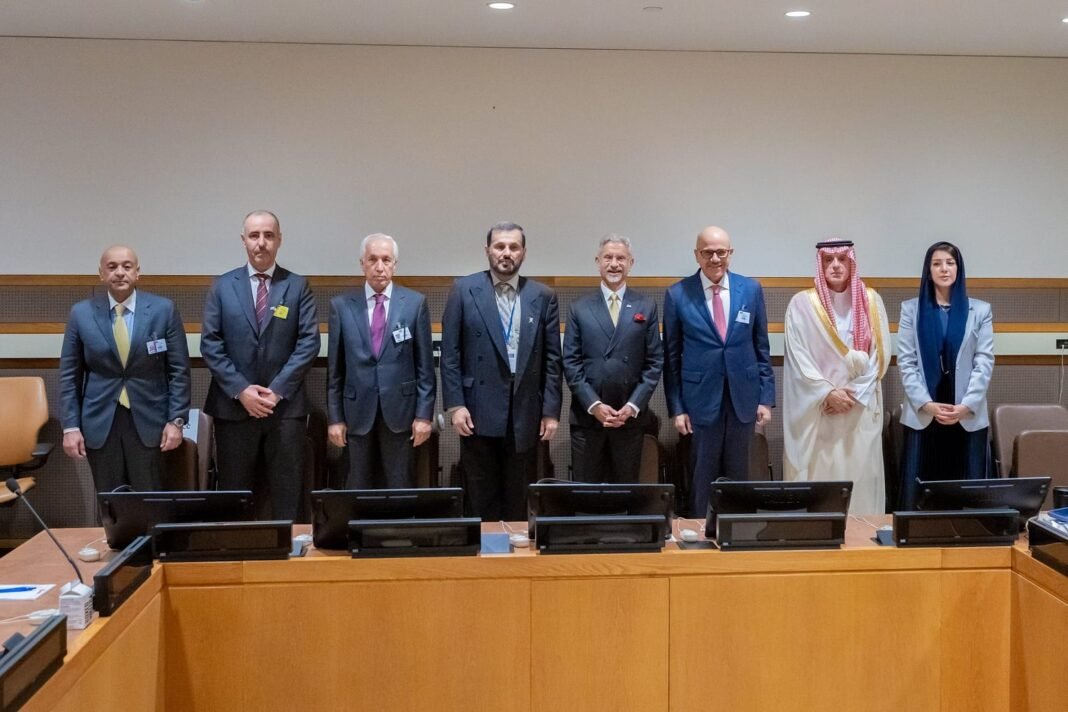
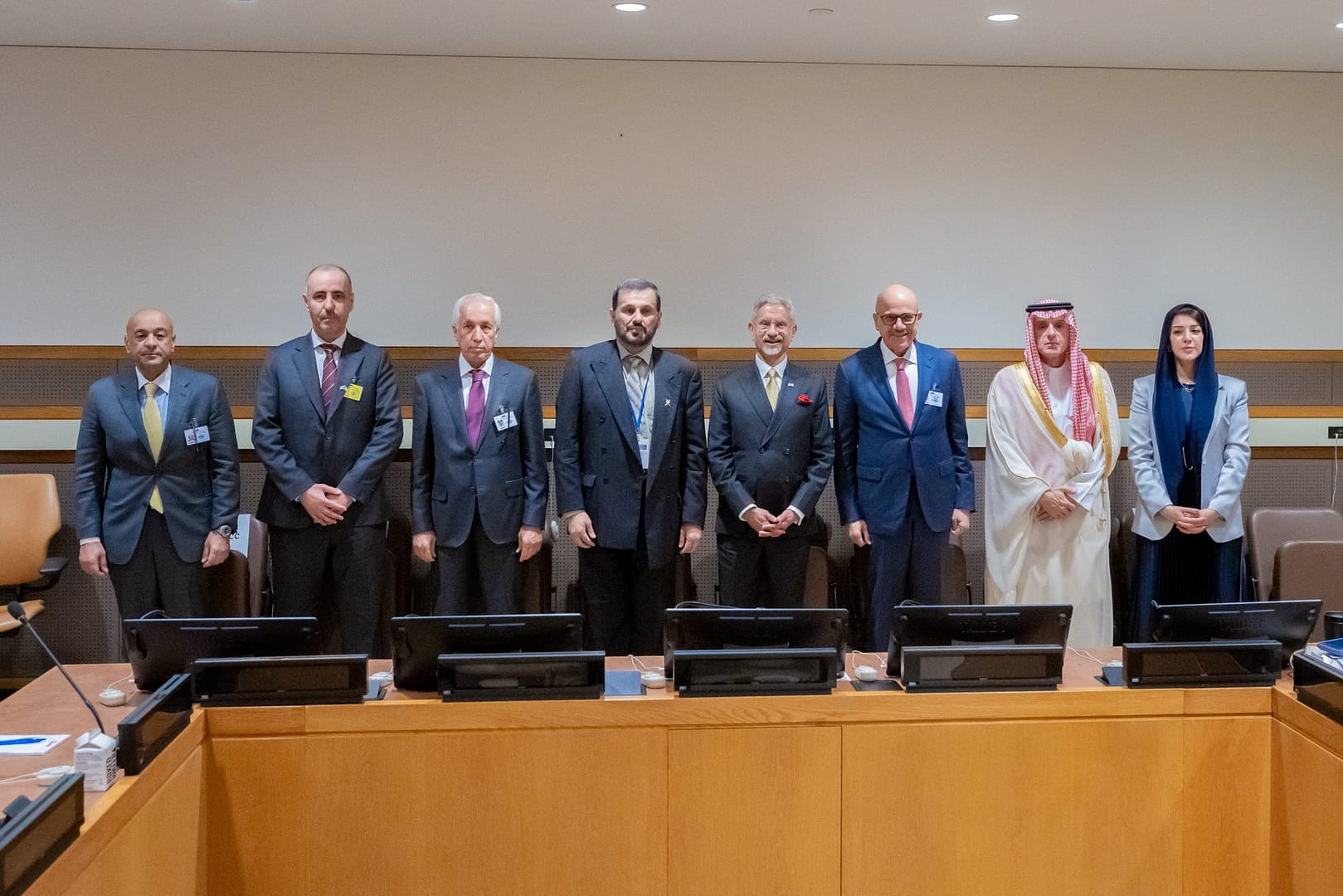
Reporting in a government statement, Oman participated in a joint ministerial meeting between the Gulf Cooperation Council (GCC) and the Republic of India, held on the sidelines of the 81st session of the United Nations General Assembly on 26 September 2026. The statement of the Ministry of Foreign Affairs indicates that the Sultanate of Oman is actively engaging with key regional partners, seeking to develop and broaden existing relationships. This focus on India matters because the GCC represents a significant portion of global economic activity and geopolitical influence, and Oman’s participation reflects its continued interest in leveraging these connections. Oman at Jerusalem meeting in New York highlighted similar engagement with multilateral institutions.
Background: The meeting discussed cooperation between the GCC states and India, as well as ways to develop their partnership across fields of mutual interest. The Ministers also exchanged views on key regional and international issues, and on the importance of supporting efforts to enhance security and stability. This event represents an ongoing dialogue established between the GCC and India. The statement does not address the specific agenda items discussed beyond general cooperation and security. The meeting was held within the framework of the existing dialogue and consultation mechanism between the GCC and India, as noted in a previous statement from September 25, 2026, where the Minister held meetings alongside the UN General Assembly.
Analysis: The inclusion of India within this GCC ministerial setting suggests a strategic effort by Oman to diversify its economic partnerships beyond traditional Gulf allies. The exchange of views on “key regional and international issues” implies an active role in shaping the regional agenda, particularly concerning security. The ministers’ focus on “supporting efforts to enhance security and stability” indicates Oman’s ongoing commitment to regional stability, a priority consistently articulated by the Ministry of Foreign Affairs. If implemented as described, this represents a measured approach to strengthening ties with a major economic power, potentially bolstering Oman’s trade and investment relationships. The statement does not address the potential implications for Oman’s foreign policy towards other regional actors.
Implications: The participation in this GCC-India meeting potentially strengthens Oman’s position as a mediator in regional disputes, given India’s engagement with multiple stakeholders. The discussions on “security and stability” could influence Oman’s diplomatic efforts in the Horn of Africa and the Arabian Peninsula. The deepening of the GCC-India partnership could impact trade flows and investment patterns, particularly in sectors such as energy and infrastructure. Should the visit yield further discussions on defense cooperation, as implied by the exchange of views on security, it would represent a significant shift in Oman’s security posture. The statement does not address any potential implications for Oman’s relations with Iran or Saudi Arabia.
Outlook: If the visit yields a formal agreement to establish a joint task force on maritime security, it would signal a deeper commitment to collaboration. Should the meeting be productive in addressing concerns regarding regional instability, Oman could leverage its position to facilitate dialogue between conflicting parties. The continued engagement with India, as outlined in previous statements, suggests a sustained effort to broaden Oman’s economic and diplomatic horizons. The statement does not address the potential for further meetings or joint projects between the GCC and India.
Conclusion: The participation in this GCC-India ministerial meeting underscores Oman’s continued prioritization of economic partnership within a broader regional security context. The ongoing dialogue, however, remains largely undefined, leaving the precise contours of this relationship uncertain.