
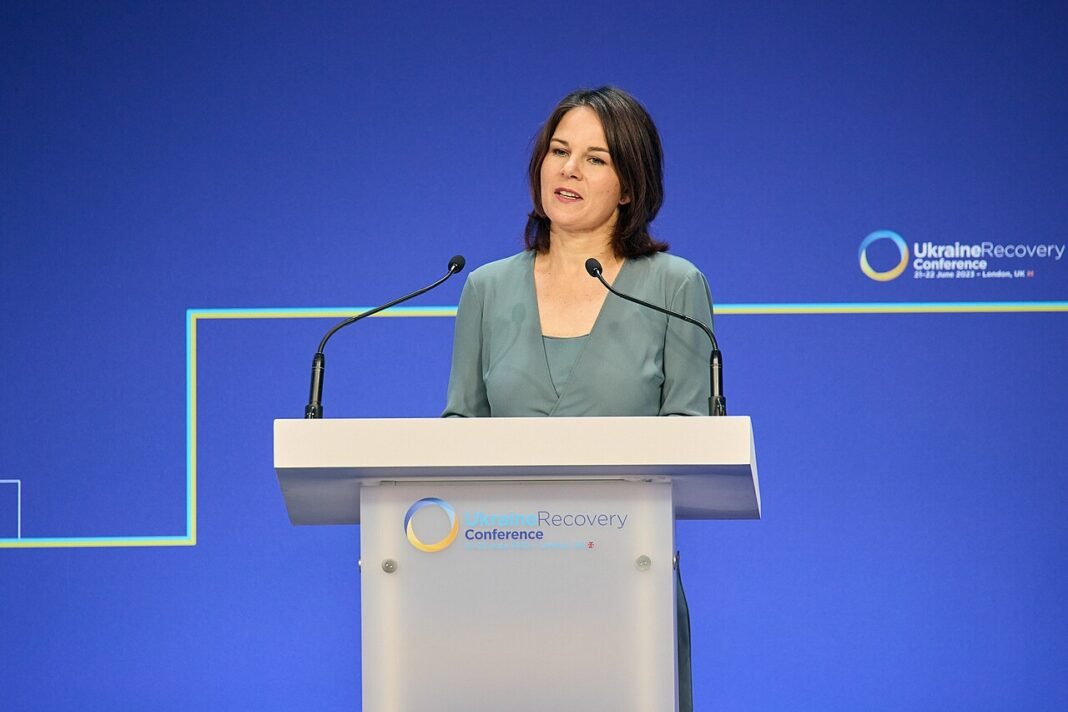

As set out in a formal announcement,
Background
The statement issued by Foreign Minister Johann Wadephul precedes his participation in the 81st Session of the United Nations General Assembly, taking place in New York. This annual event, established more than 80 years ago following World War Two, provides a platform for nations to address global challenges. The statement references the terrorist attacks 25 years prior, a significant historical marker for international relations and the founding purpose of the United Nations. The press release highlights the ongoing prospect of lasting co-existence free from conflict, a sentiment shaped by recent escalations, particularly the conflict in Ukraine and broader instability in the Middle East. The statement does not address the specific composition of the G7 group or details of previous UN engagements.
Analysis
The core of the statement reveals a shift in Germany’s foreign policy approach. It moves beyond simply observing global crises to actively seeking opportunities for engagement and, crucially, demanding negotiation from actors like Russia. This suggests a recognition of Germany’s direct interests – specifically, the security of its own territory and critical infrastructure – as a driver of its diplomatic efforts. The emphasis on Ukraine’s “greater staying power” indicates a strategic assessment that continued support is essential, not merely an act of humanitarian aid. The release simultaneously acknowledges the rising threat posed by Russia to EU and NATO member states, prompting a call for coordinated defense measures against hybrid attacks and maritime security threats. The statement also identifies vulnerabilities – the Strait of Hormuz and Bab al-Mandab – as critical choke points for global trade, directly impacting Germany and wider European economies. The reference to the challenges posed by artificial intelligence highlights a longer-term strategic concern. The statement does not address Germany’s potential contributions to the UN budget or the role of the Security Council.
Implications
The Foreign Minister’s presence at the UN General Assembly carries significant implications for regional stability. Germany’s commitment to strengthening Ukraine, coupled with its willingness to coordinate defense strategies with partners, could directly influence the trajectory of the conflict. The focus on maritime security, particularly in the Strait of Hormuz and Bab al-Mandab, suggests a potential escalation of Germany’s engagement in Middle Eastern geopolitics. The discussion on climate change, specifically with small island states, signals a renewed commitment to international cooperation on environmental issues. The statement’s call for reform within the United Nations, and the appointment of a new Secretary-General, reflects a desire to reshape the organization’s role in addressing contemporary global challenges. The statement does not address the potential impact on Germany’s trade relationships with Russia or Iran.
Outlook
Should the visit yield opportunities for increased engagement with the warring parties in Europe and the Middle East, Germany’s actions will be predicated on the willingness of Russia to negotiate. If the coordination of defense measures proves successful, it could bolster the deterrent effect against further Russian aggression. If the international community can collectively address the vulnerabilities at the Strait of Hormuz and Bab al-Mandab, it may mitigate the immediate economic consequences for Germany and Europe. Should the UN General Debate fail to produce tangible progress on key issues, Germany’s commitment to multilateralism could be tested.


.jpg)