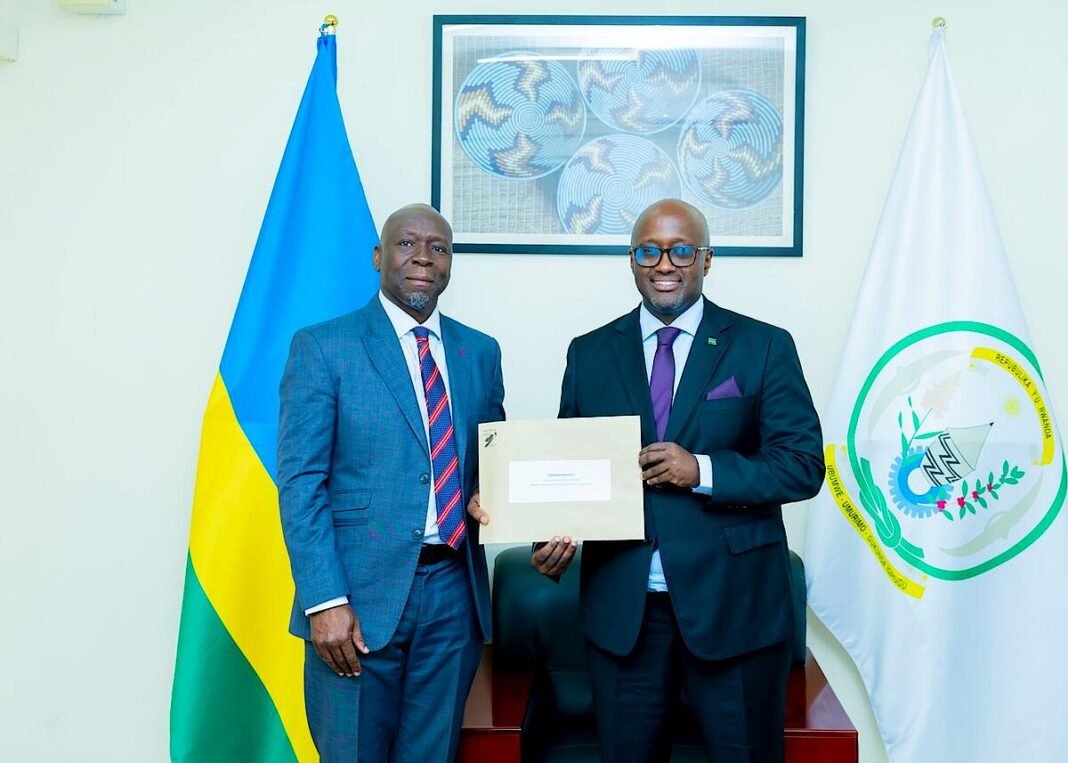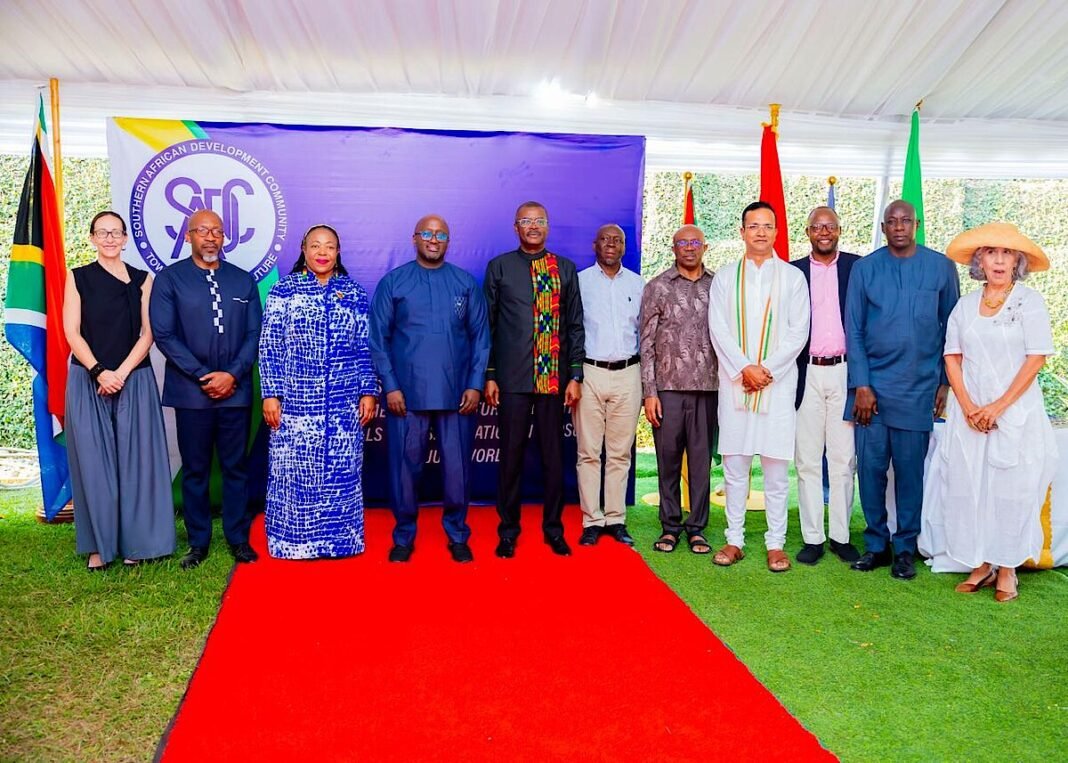
Details in a press release show that The statement does not mention the date of the celebrations, but it indicates that Minister Olivier J.P. Nduhungirehe attended SADC Day celebrations in Kigali on 22 August 2026. This event, themed “Resilient, Sustainable and Inclusive Industrialisation through Infrastructure Development, Agricultural and Critical Minerals Transformation in Pursuit of a Just World,” reflects a stated priority for Rwanda within the Southern African Development Community (SADC). The significance lies in Rwanda’s commitment to its relations with SADC Member States and the country’s determination to deepen regional cooperation, as outlined by Minister Nduhungirehe’s remarks.

Background
The SADC Day celebrations represent an established annual event within the SADC framework. The statement does not detail the history of SADC, but it highlights the community’s focus on infrastructure development, agricultural and critical minerals transformation, and the pursuit of a just world. The event occurs within a broader diplomatic landscape, marked by ongoing consultations with the United Nations, the European Union, and Oman, as documented in subsequent press releases covering meetings with UN officials, Swiss diplomats, and Omani counterparts. The statement does not provide details about the structure or governance of the SADC.
Analysis
Minister Nduhungirehe’s attendance at SADC Day celebrations signals Rwanda’s continued engagement with key regional partners. The stated commitment to deepening regional cooperation suggests a strategy designed to bolster economic ties and promote stability within the SADC region. The theme of the celebrations – “Resilient, Sustainable and Inclusive Industrialisation through Infrastructure Development, Agricultural and Critical Minerals Transformation in Pursuit of a Just World” – indicates Rwanda’s focus on sectors aligned with its own development priorities. The simultaneous receipt of letters of credence from the Ambassador-designate of Sweden, the EU, and South Africa further underscores Rwanda’s active diplomatic outreach. The joint statement from the visit to Oman highlights bilateral cooperation across a range of sectors.
Implications
This diplomatic activity has implications for regional stability, particularly concerning trade and security within the SADC zone. Increased cooperation with SADC could contribute to the resolution of regional conflicts and promote economic integration. The signing of agreements with Oman – a nation with significant trade ties – represents a strategic effort to diversify Rwanda’s economic partnerships. The ongoing consultations with the UN and Switzerland point to Rwanda’s commitment to international diplomacy and the pursuit of peaceful resolutions to global challenges. The focus on critical minerals transformation suggests an effort to manage the export of these resources and potentially secure investment in related industries.
Outlook
Should the visit yield further agreements with Oman, Rwanda’s trade portfolio would expand. If the consultations with the UN and Switzerland continue to focus on regional peace and stability, Rwanda’s role as a mediator within the SADC region could be strengthened. If the discussions regarding illicit alcoholic beverages continue, Rwanda may seek to collaborate with other nations on combating this issue. The statement does not address any potential impact of these diplomatic efforts on Rwanda’s relations with other international partners.
Conclusion
The consistent pattern of diplomatic engagement, as evidenced by the receipt of letters of credence and participation in regional forums, establishes a framework for Rwanda’s foreign policy. The continued emphasis on cooperation within the SADC region—and beyond— raises the question of how Rwanda intends to leverage its diplomatic position to advance its national interests in a volatile global environment.