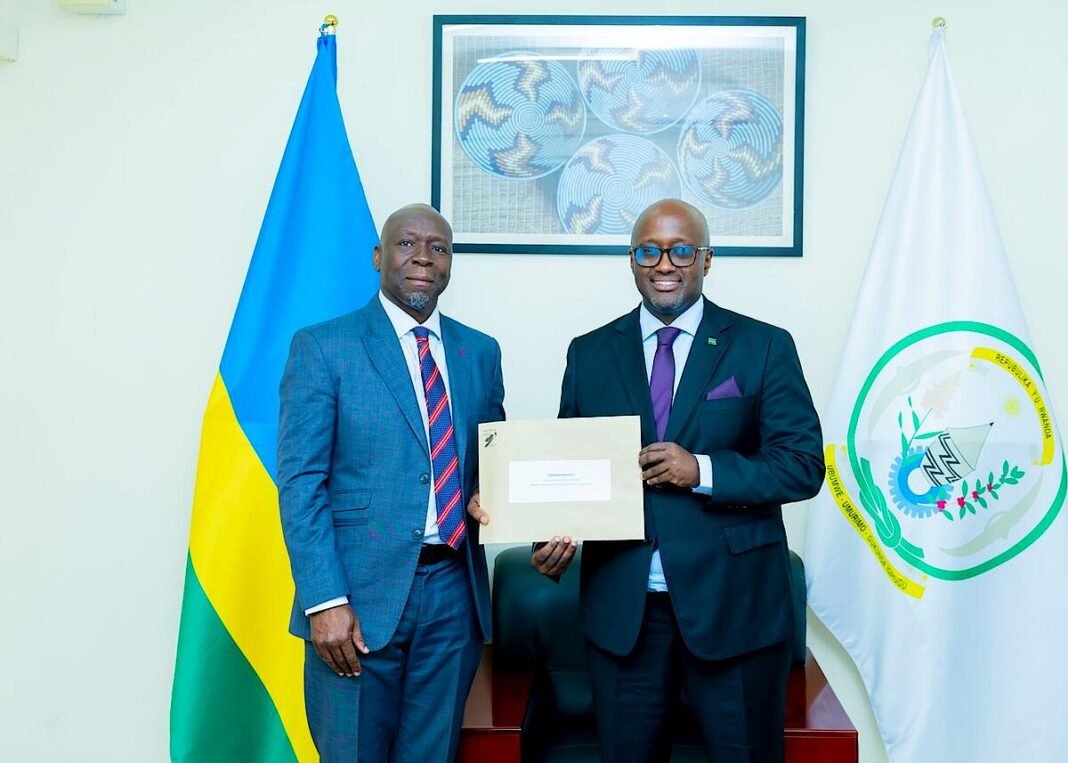
A ministry communiqué confirms that Kigali received copies of letters of credence from H.E. Tinyiko George Hlungwane, High Commissioner-Designate of the Republic of South Africa to Rwanda, on 25 August 2026. This exchange, confirmed by a statement from the Ministry of Foreign Affairs and International Cooperation, underscores a continued prioritization of diplomatic engagement within Rwanda’s foreign policy. The act of receiving letters of credence is a standard protocol, signifying the formal commencement of the High Commissioner’s duties and establishing a channel for bilateral relations.

Background
This event follows a pattern of recent diplomatic activity within the Ministry, as evidenced by previous engagements with the High Commissioner-Designate of Sweden and the Ambassador-Designate of the European Union. These meetings, outlined in press releases dated September 11 and 10, 2026 respectively, demonstrate a sustained effort to cultivate relationships with key international partners. The Ministry’s engagement with these envoys reflects Rwanda’s ongoing participation in regional and multilateral forums, as highlighted by its involvement in the 26th Extraordinary Session of the Executive Council of the African Union and consultations with Switzerland and the United Nations Special Representative.
Analysis
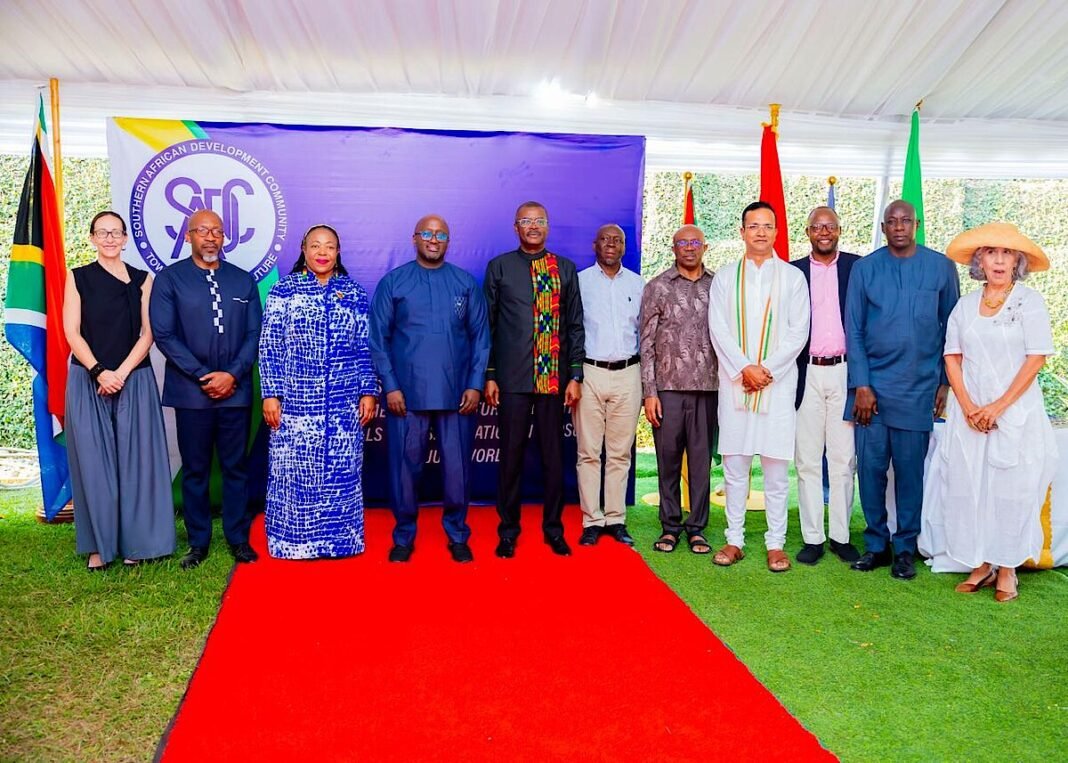
The Ministry’s immediate focus on welcoming the South African High Commissioner-Designate suggests a deliberate strategy to bolster bilateral ties. The statement indicates Minister Nduhungirehe wished the High Commissioner “a successful and impactful tenure, fostering stronger bilateral relations and advancing mutual cooperation between the two countries.” This signals a potential desire to deepen trade, investment, and possibly security cooperation – areas that have remained largely unexplored in official statements. The timing of this engagement, coinciding with the signing of agreements with Oman, further strengthens the impression of a concerted effort to diversify Rwanda’s international partnerships. The consistency of these meetings – with Sweden, the EU, and the UN – suggests a broader diplomatic strategy aimed at maximizing Rwanda’s influence within regional and global contexts. This approach aligns with broader diplomatic trends observed across the continent, including Rwanda’s participation in the SADC Day celebrations and its involvement in political consultations.
Implications
The renewed focus on bilateral engagement carries implications for Rwanda’s economic and security strategies. Increased cooperation with South Africa could unlock opportunities in sectors such as trade, tourism, and potentially, resource management – although the statement does not address this. The Ministry’s efforts to strengthen relationships with key international actors also contribute to Rwanda’s diplomatic leverage within regional organizations like the African Union. The commitment to “fostering stronger bilateral relations” could influence Rwanda’s approach to conflict resolution and regional stability initiatives, particularly given its ongoing participation in UN-led efforts to promote peace and security. The Ministry’s engagement with the EU and UN is particularly noteworthy, given Rwanda’s stated commitment to sustainable development and good governance.
Outlook
Should the visit yield a concrete agenda for collaboration, the Ministry’s subsequent actions will be critical. If implemented as described, the enhanced engagement with South Africa could represent a significant step towards diversifying Rwanda’s economic partnerships beyond traditional trading relationships. However, the statement does not mention any specific projects or agreements, and the success of this initiative will depend on the willingness of both countries to translate diplomatic commitments into tangible outcomes. Should the High Commissioner’s tenure be marked by productive dialogue and a shared commitment to mutual cooperation, this could serve as a foundation for further engagement with other international partners.
Conclusion
The exchange of letters of credence marks a formal step, but the Ministry’s stated goals – “stronger bilateral relations and advancing mutual cooperation” – remain aspirational. The extent to which these ambitions translate into concrete policy outcomes remains to be seen.