In a published statement ahead of the visit, The Ministry of External Affairs announced on September 9, 2026, that India continues to provide humanitarian assistance to Nepal in support of ongoing rescue and relief operations following devastating flash floods. An eighth Indian Air Force flight carrying humanitarian assistance reached Kathmandu today, underscoring the scale of the disaster and the sustained commitment from New Delhi. This action follows a previous deployment of specialized equipment and personnel designed to address the specific challenges presented by the flood-affected terrain.

Background
Prior statements by this same ministry, dated September 2, 2026, indicated that India continues to offer rescue and relief assistance to Nepal. A fifth Indian Air Force flight carrying humanitarian assistance reached Kathmandu today. This latest deployment builds upon previous efforts, including the delivery of over 130 tons of relief material since August 26, 2026. The initial focus had been on providing standard relief supplies – temporary shelters, blankets, hygiene kits, solar lamps and medicines – alongside the rapid dispatch of expert personnel to bolster Nepal’s response.
Analysis
The provision of specialized equipment, including tunnel and mud rescue equipment, DNA kits, reagents and equipment for DNA profiling, portable gensets, lighting towers and dewatering pumps, signals a shift in India’s operational approach. The inclusion of a tunnel rescue team, initially coordinated with the Nepali Army at Chilime and Langtang, demonstrates an understanding of the complex logistical and geographical barriers hindering rescue efforts. This suggests that India recognizes the need for targeted intervention beyond simply supplying basic necessities. The continued operation of forensic laboratories, supported by Indian equipment and experts, indicates a commitment to facilitating investigations related to casualties and damage assessment.
Implications
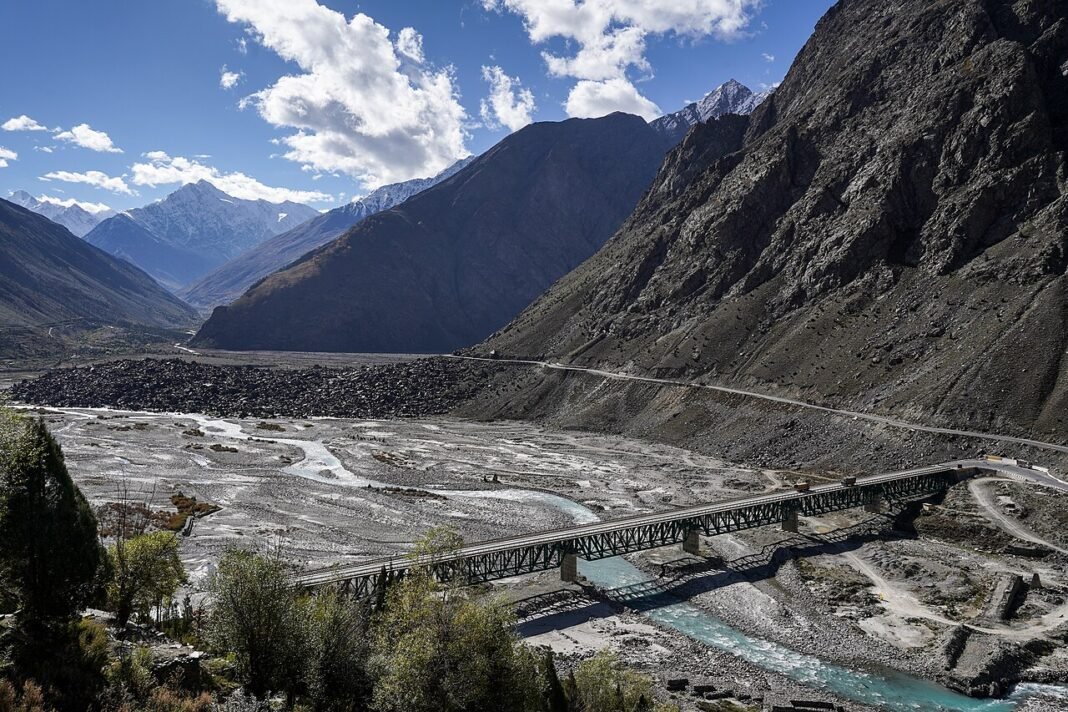
The deployment of specialized personnel and equipment has immediate implications for the ongoing rescue operations in Nepal. The focus on the Chilime tunnel – presenting challenges due to its difficult access conditions and slope – highlights a strategic prioritization of areas where rapid intervention can maximize impact. Should the construction of the makeshift path be completed within two to three days as anticipated, it will facilitate the use of heavy machinery, accelerating progress. This operational model— combining Indian technical expertise with Nepali logistical support — could serve as a template for future disaster response scenarios.
Outlook
If the tunnel rescue team’s efforts in Chilime continue to yield encouraging results, and should the construction of the access track be completed within the projected timeframe, then India’s engagement will remain concentrated on this critical site. Should the terrain prove fundamentally impassable, a reassessment of priorities would become necessary, potentially shifting resources towards other affected areas based on evolving needs. The continued operation of the forensic laboratories will provide support to Nepal authorities in their efforts.
Conclusion
The Indian government’s sustained commitment to providing assistance highlights a pragmatic approach to disaster relief, characterized by targeted interventions and logistical adaptation. However, the statement does not address the long-term recovery needs of Nepal following this significant event.