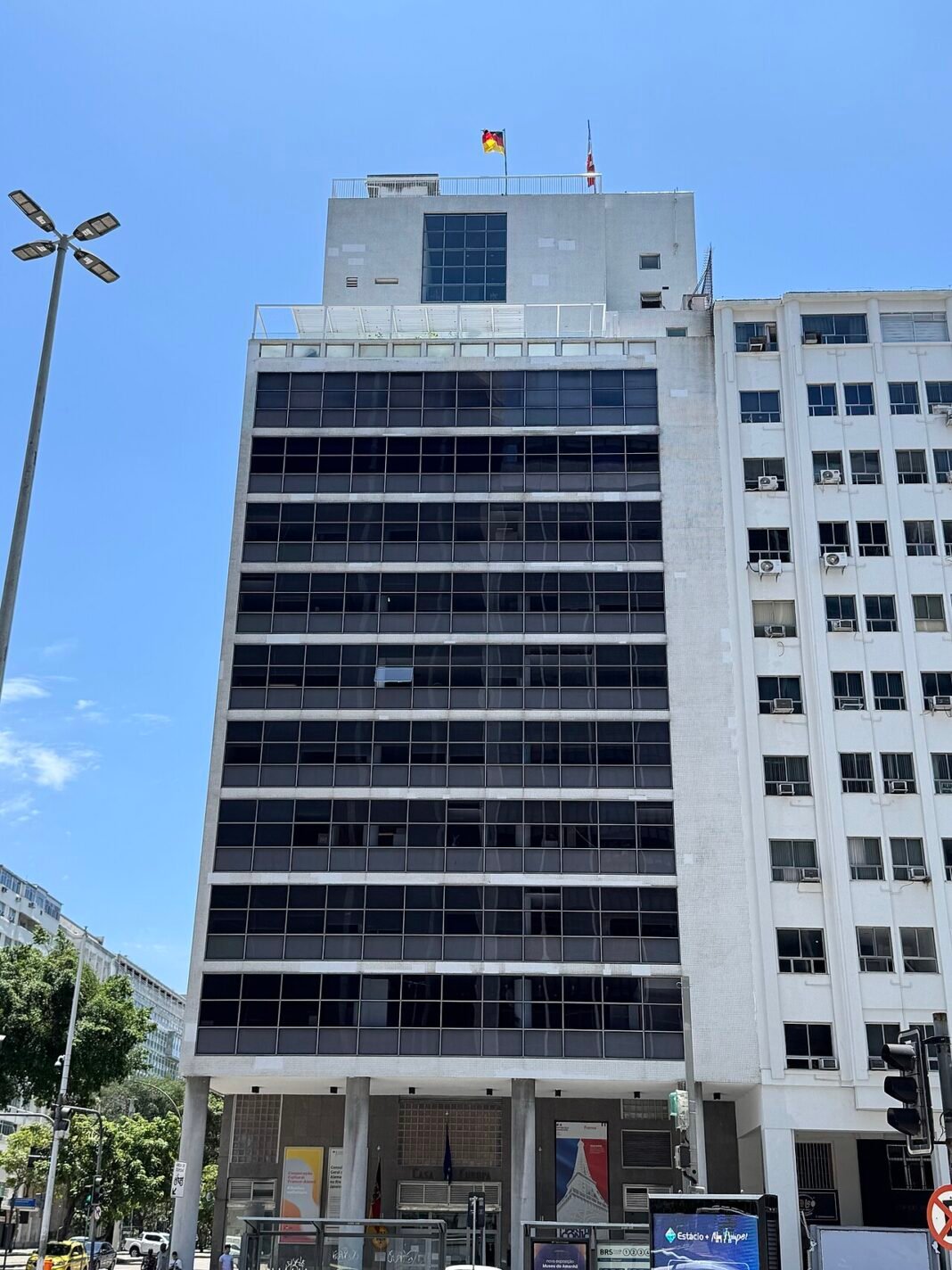

The foreign ministry readout describes
Background
The statement from Foreign Minister Johann Wadephul is issued on World Humanitarian Day (19 August 2026). The press release emphasizes the ongoing challenges faced by humanitarian aid workers globally, particularly in regions experiencing conflict, displacement, and natural disasters. It references the alarming rise in crises, citing nearly 240 million people reliant on humanitarian assistance. Specifically, the statement details interventions in Sudan – where nearly 20 million people are starving – Ukraine, addressing consequences of the ongoing war, the Democratic Republic of the Congo, combating an Ebola outbreak, and Venezuela following earthquakes. The release highlights a sustained effort to provide aid to over 80 million individuals across 54 countries.
Analysis
The core message centers on the escalating demands placed upon humanitarian resources. The press release indicates that suffering is growing at a faster rate than available resources, creating a critical gap in support. This situation is compounded by increasingly brutal conflicts and rising crisis numbers. Germany’s role as an “indispensable partner” reflects a recognition of both immediate human needs and longer-term strategic implications. The focus on Sudan, Ukraine, the DRC, and Venezuela reveals a geographically dispersed approach to addressing acute emergencies. The statement implicitly acknowledges that humanitarian assistance is not simply a moral obligation but a factor in Germany’s security and economic interests – by mitigating instability and displacement, it seeks to prevent wider conflict escalation and its associated costs.
Implications
For policymakers, the release underscores the need for sustained investment in humanitarian aid programs. The scale of suffering—nearly 240 million people dependent on assistance—demands a commensurate level of commitment. Should Germany maintain this level of engagement, it could strengthen its diplomatic leverage and influence within international forums addressing conflict resolution and disaster response. The prioritization of interventions like those in Sudan and Ukraine suggests an acknowledgement that humanitarian action directly impacts geopolitical stability. Furthermore, the emphasis on creating “prospects and strengthening stability” highlights a shift towards longer-term development assistance, linking immediate relief to sustainable solutions.
Outlook
If Germany continues to prioritize funding levels as advocated by Wadephul, it could bolster its position as a leading humanitarian actor. Should the international Sudan conference in Berlin yield further commitments from partner nations, it would represent a significant step towards alleviating the crisis. However, should access to populations in need remain obstructed due to ongoing conflicts or political instability, the effectiveness of Germany’s aid efforts would be severely compromised. The statement does not address whether increased funding will sufficiently counter the rising scale of humanitarian crises.