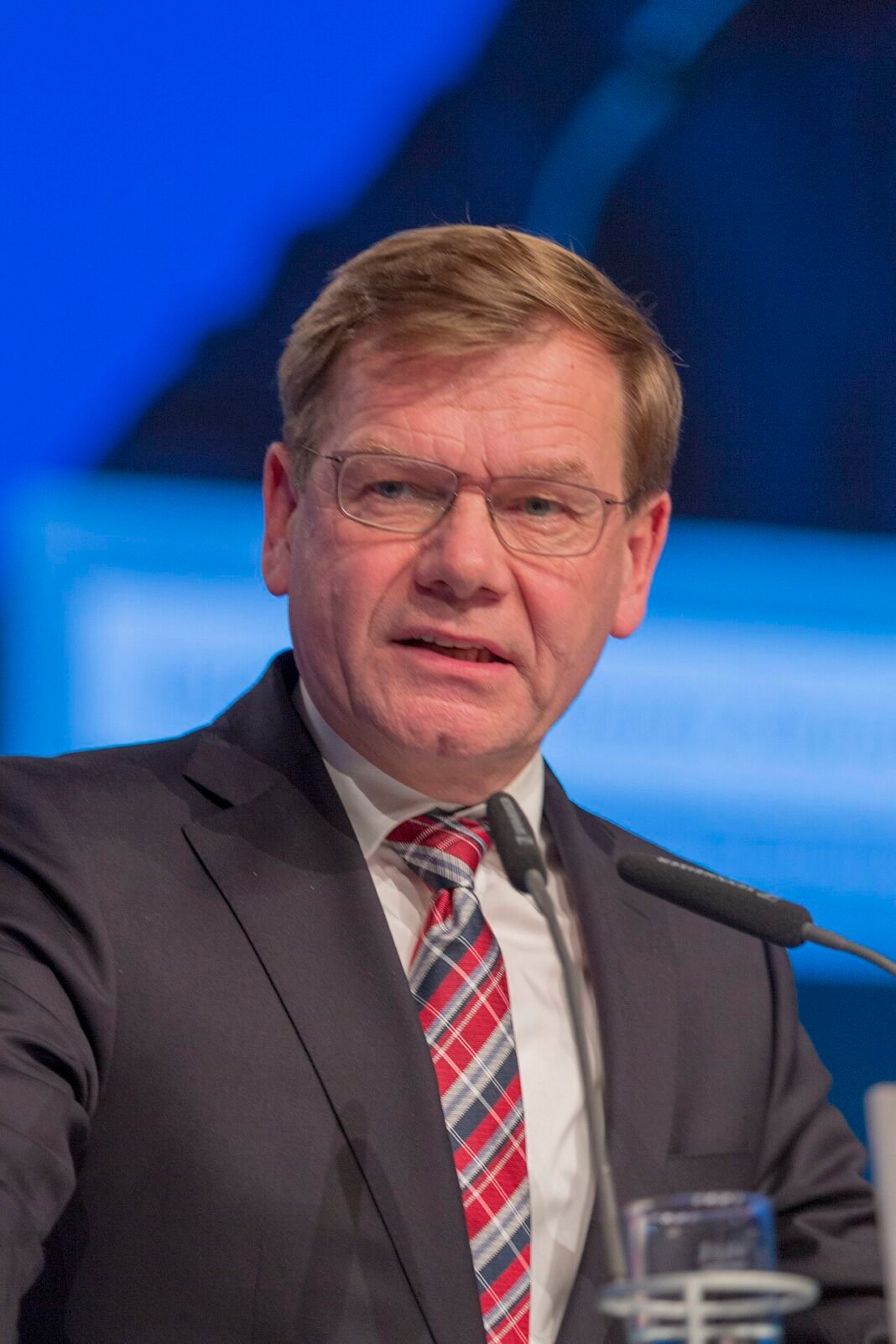
The foreign ministry readout describes Foreign Minister Johann Wadephul departed today (31 August 2026) for Tunisia and Algeria, a trip framed by the statement that it is crucial for Germany and Europe to cooperate closely with geographical neighbors in North Africa against the backdrop of global upheaval and instability. The purpose of this engagement is to bolster existing relationships and explore opportunities for intensified collaboration, particularly concerning shared concerns regarding regional stability.

Background
Since taking office, Germany has intensified exchanges with both Tunisia and Algeria. Only recently, Foreign Minister Wadephul welcomed his Tunisian colleague Mohamed Nafti and his Algerian counterpart Ahmed Attaf to Berlin. The statement highlights the 70th anniversary of diplomatic relations with Tunisia, a period marked by continual deepening ties. Germany is currently Tunisia’s third-largest export market, a relationship particularly vital for German industry, notably the automotive sector, which relies on resilient supply lines.
Analysis
The visit represents a calculated effort to diversify energy sources and strengthen security partnerships. The statement explicitly identifies shared economic and security concerns with Tunisia and Algeria, focusing on fostering growth and prosperity through joint ventures in the energy sector. Germany’s commitment to intensifying its partnership with Algeria is underscored by recent agreements in July concerning energy supply and transformation of the energy sector, alongside plans for increased collaboration in green hydrogen production – a field where Algeria possesses significant potential. The focus on Tunisia and Algeria reflects a broader strategic assessment of European security interests, particularly regarding maritime trade routes within the Arabian Peninsula.
Implications
This intensified engagement has implications for regional stability in North Africa, specifically concerning efforts to stabilize the Sahel region. The deepening energy partnership with Algeria is strategically significant for the European Union’s energy security, given Algeria’s existing role as a major gas supplier. Furthermore, Germany’s commitment to bolstering supply chains through resilient relationships with Tunisia – particularly within the automotive industry – has direct implications for industrial competitiveness and economic resilience.
Outlook
Should the visit yield further agreements regarding energy cooperation, it would represent a step towards diversifying European energy sources. If Germany successfully expands its partnership with Algeria in green hydrogen production, this could significantly enhance Europe’s transition to cleaner energy technologies. If Tunisia continues to welcome German students and professionals, the exchange of knowledge will continue to benefit both nations.
Conclusion
The stated goal of making the Mediterranean an area of strength between continents remains open to interpretation – a reflection of Germany’s ambition to shape its role within a rapidly evolving geopolitical landscape.