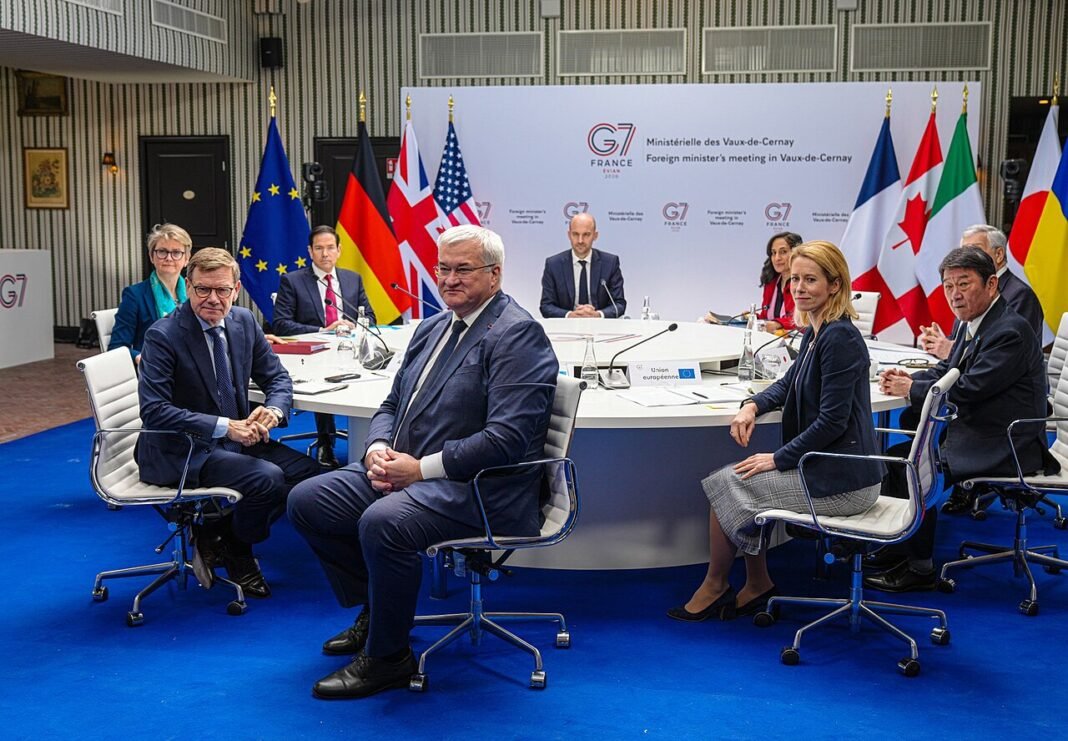
As set out in a formal announcement,
Background
The statement does not mention specific timelines or previously agreed-upon frameworks for the rail funding discussions. It references the Third Meeting of the Nepal-Australia Bilateral Consultation Mechanism (BCM), established to foster collaboration across various sectors including infrastructure development. The press release also cites several previous press briefings and statements related to the Bhote Koshi River floods, indicating a sustained focus on disaster relief efforts alongside diplomatic engagement. The statement does not address the overall scope or value of potential investment in Nepal’s railway network.
Analysis
The meeting between Minister Khanal and the UK Secretary of State for Defence signals an attempt to diversify funding sources beyond traditional bilateral aid channels. This suggests a recognition by the Nepali government that securing substantial investment requires proactive engagement with major economic powers. The persistent focus on the Bhote Koshi River floods underscores the immediate challenges facing Nepal, potentially impacting investor confidence and highlighting the need for rapid disaster response support. If implemented as described, this diplomatic effort represents an attempt to leverage existing relationships to unlock critical capital for Nepal’s infrastructure ambitions. This suggests a strategic prioritization of economic development alongside ongoing humanitarian concerns.
Implications
For policymakers, the meeting’s outcome will determine the feasibility of significantly accelerating Nepal’s railway projects – currently hampered by funding constraints. Should the visit yield commitments from the UK government, it would bolster Nepal’s efforts to attract investment from other nations. Regional stability is indirectly linked; improved infrastructure could facilitate trade and connectivity within South Asia. The potential for securing rail funding also impacts Nepal’s trade relationships with China, India, and potentially Southeast Asian countries – a significant factor given their growing economic influence in the region.
Outlook
If the visit yields agreements regarding specific investment amounts and timelines, the Nepali government would likely prioritize project feasibility studies and detailed planning stages. Should the meeting result only in discussions and no concrete commitments, Nepal will continue to rely on existing bilateral aid mechanisms and explore alternative funding sources. The statement does not address whether the UK’s involvement will influence other nations’ decisions regarding investment in Nepal’s railway projects.