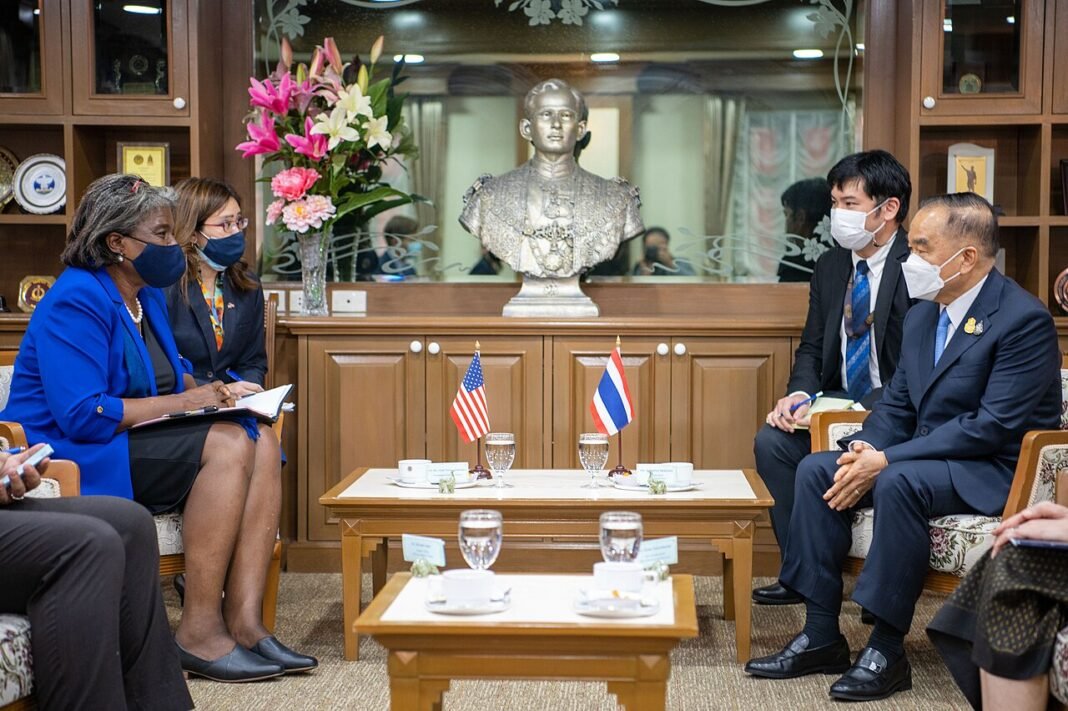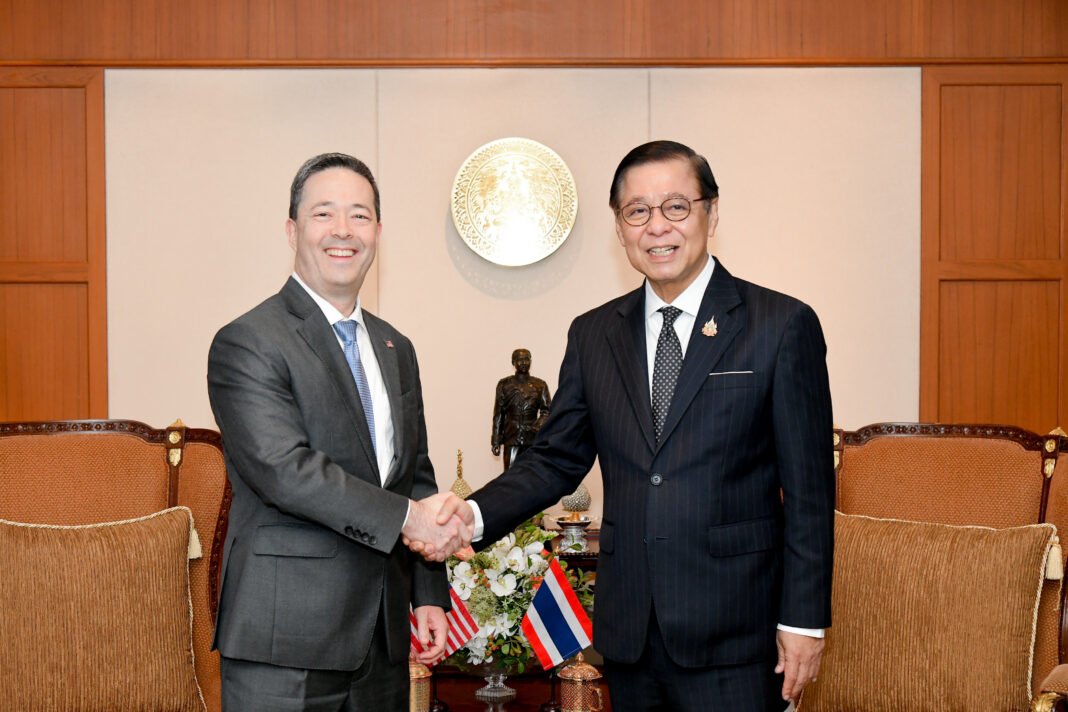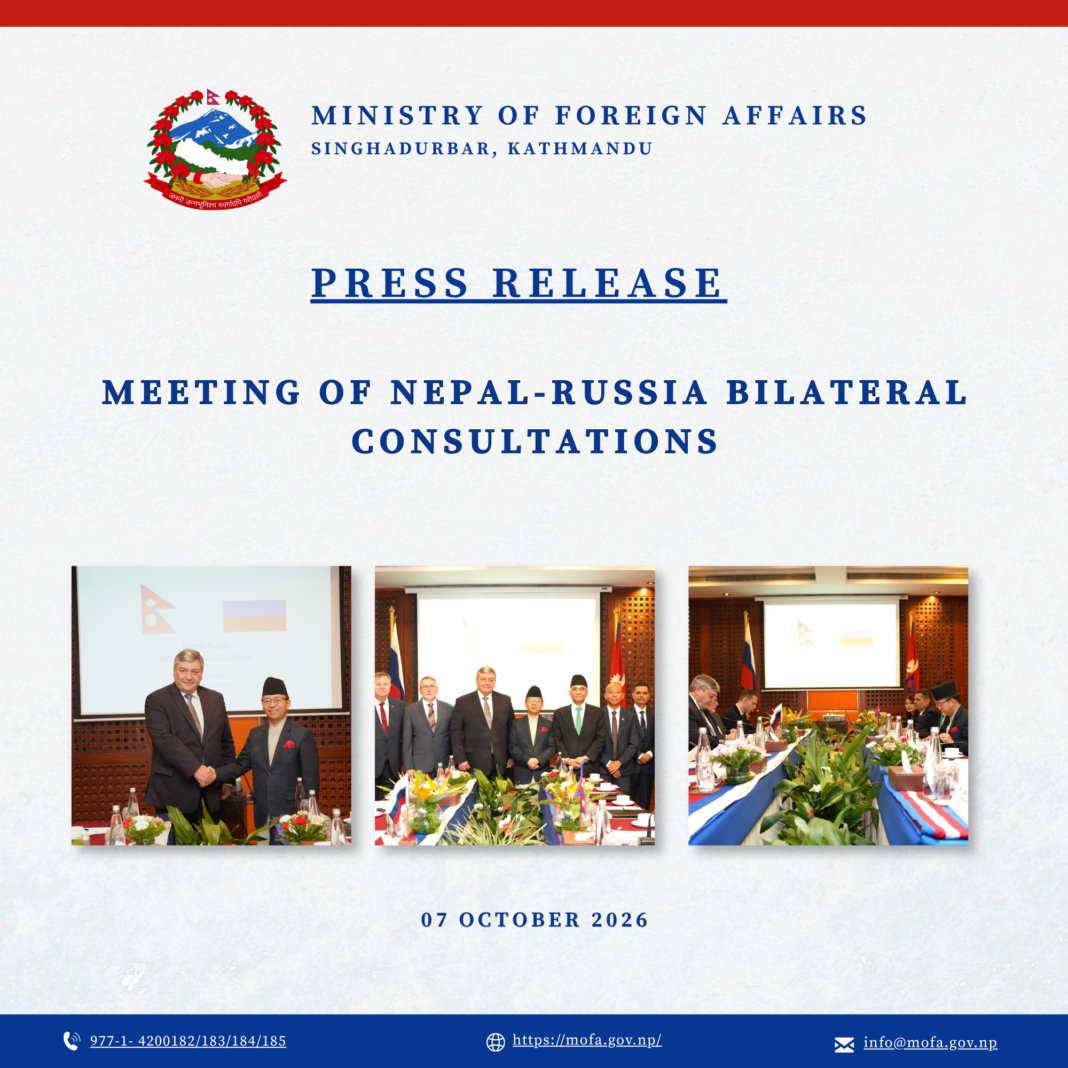
Reporting in a government statement, The Ministry of Foreign Affairs released a press statement on October 8th detailing the conclusion of the Third Meeting of the Nepal-Australia Bilateral Consultation Mechanism (BCM). This meeting, held in Melbourne, saw participation from Hon. Minister for Foreign Affairs Mr. Khanal and Australian Minister for Foreign Affairs H.E. Ms. Penny Wong. The statement, linked to the core Ministry website, highlights the ongoing dialogue between the two nations, a process initiated with the Second Meeting held in Kathmandu. The significance lies in the continued prioritization of infrastructure development, specifically rail projects, as a key area of cooperation. The statement does not address the potential scale of investment, the specific routes under consideration, or the timeline for implementation.
Background
The Bilateral Consultation Mechanism was established to foster deeper engagement between Nepal and Australia across a range of sectors. Prior to this meeting, the Ministry held a press release on Hon. Minister for Foreign Affairs Mr. Khanal’s address at the Plenary of the Pre-COP Leaders’ Event in Fiji, and a subsequent meeting with the UK Secretary of State for Defence regarding British Gurkha issues, as detailed in separate press releases. The statement does not mention any prior agreements or frameworks underpinning the BCM. The repeated references to “bilateral consultations” suggest a standard diplomatic procedure aimed at ongoing dialogue rather than a formal treaty or commitment. The Ministry’s regular Press Briefing on September 11, 2026, further indicates a consistent effort to provide updates on these discussions, though the content of this briefing is not included in the current press release.
Analysis
The continued focus on rail funding within the BCM suggests a strategic alignment between Nepal’s development priorities and Australia’s foreign aid objectives. Australia has a longstanding commitment to infrastructure development in developing nations, and Nepal’s need for improved transport infrastructure, particularly in mountainous regions, presents a logical area for collaboration. This suggests a desire on Nepal’s part to attract investment in critical infrastructure projects. However, the lack of specific details within the statement raises questions about the level of commitment from the Australian side. The meeting’s focus on “rail funding” doesn’t disclose whether this commitment is contingent upon Nepal’s ability to meet specific criteria, such as regulatory reforms or environmental assessments. The statement does not address the potential challenges associated with developing rail infrastructure in Nepal, including difficult terrain, logistical complexities, and potential land acquisition issues. It is also unclear if this meeting represents a shift in the nature of the relationship; the statement does not address whether Australia’s engagement is driven by strategic interests in the Indo-Pacific region or by Nepal’s own developmental needs.
Implications
The ongoing BCM signals a sustained diplomatic engagement between Nepal and Australia, but the lack of concrete outcomes raises questions about the depth of this commitment. For policymakers in Kathmandu, the continued dialogue represents an opportunity to secure much-needed investment in infrastructure, potentially boosting economic growth and improving connectivity. Should the visit yield tangible results, it would bolster Nepal’s international standing and demonstrate a willingness to embrace foreign investment. However, the lack of specific details also presents a risk – a prolonged period of discussion without concrete progress could undermine investor confidence. The meeting’s focus on rail funding has implications for regional stability, potentially contributing to improved transport links and trade flows within the Himalayan region. The statement does not address the potential impact of increased transport infrastructure on border security or cross-border trade.
Outlook
If the visit yields a preliminary agreement on a pilot rail project, conditional upon further feasibility studies and environmental impact assessments, then the Ministry would likely issue a subsequent press release outlining the next steps. Should the Australian government remain hesitant to commit significant funding, the BCM risks becoming a largely symbolic exercise, providing only a forum for continued dialogue. The statement does not address the potential for other countries, such as China or India, to become involved in Nepal’s rail development projects. The continued emphasis on bilateral consultations suggests a cautious approach, reflecting both Nepal’s desire for independent development and Australia’s commitment to its own foreign policy objectives.
Conclusion
The Third Meeting of the Nepal-Australia Bilateral Consultation Mechanism underscores the importance of continued dialogue, but the lack of concrete investment commitments leaves a key question unanswered: will this sustained engagement ultimately translate into tangible benefits for Nepal’s infrastructure development?
Sources & Further Reading
- Official press release
- Foreign ministry source
- Press Release- Hon. Minister for Foreign Affairs Mr Khanal and Australian Minister for Foreign Affairs H.E. Ms Penny Wong Held Bilateral Talks in Melbourne (October 08)
- Press Release- Second Meeting of Nepal and Oman Bilateral Consultations Concludes in Kathmandu (October 08)
- United Nations