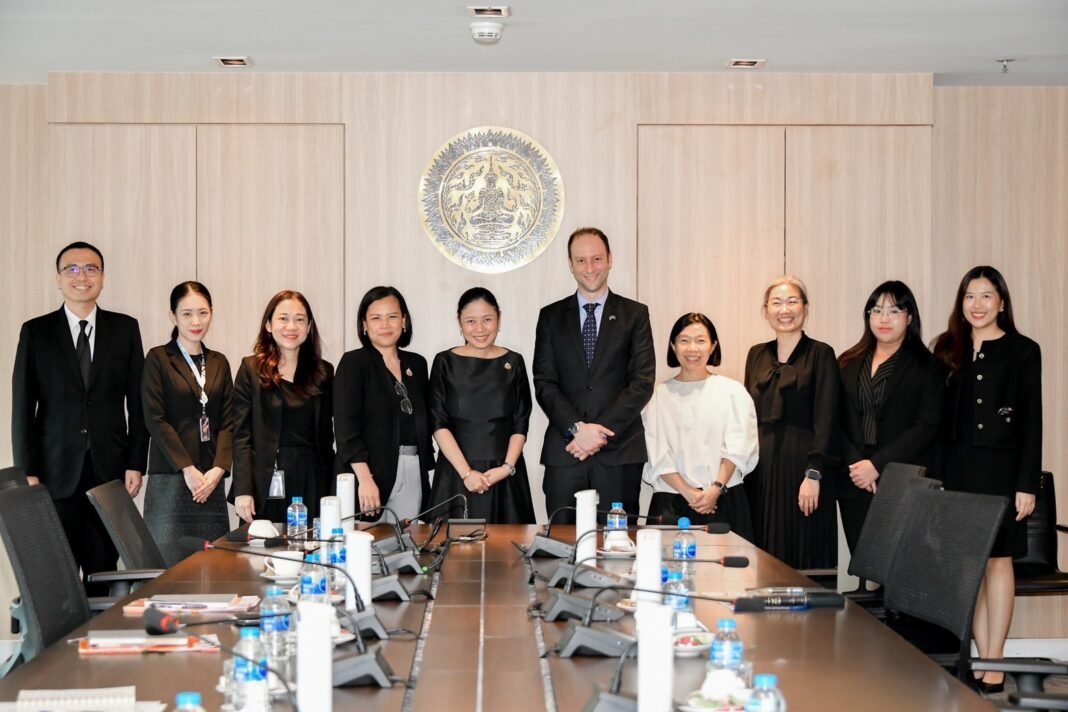
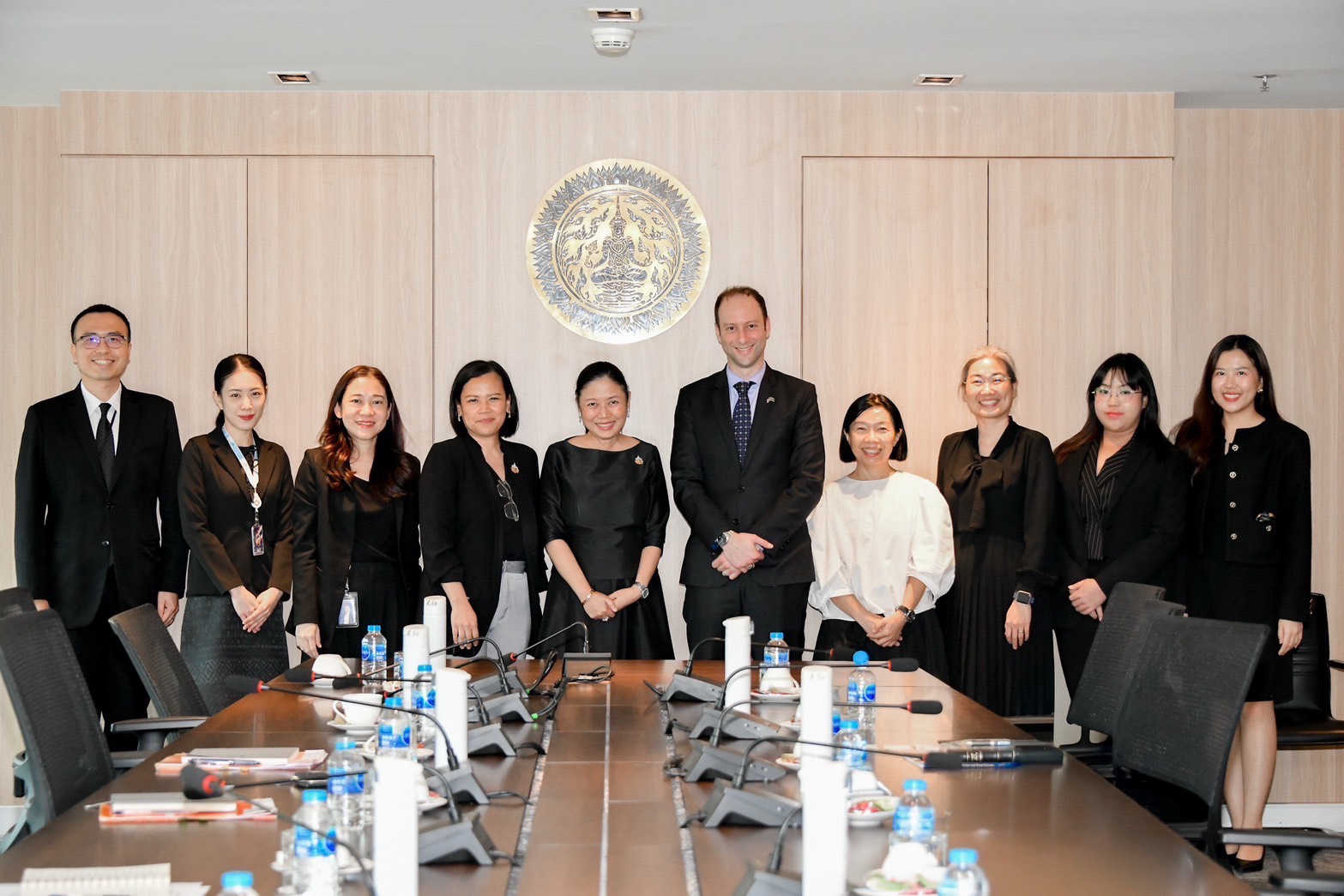
The foreign ministry readout describes On September 1, 2026, Ms. Jaithai Upakarnitikaset, Director-General of the Department of Information and Spokesperson of the Ministry of Foreign Affairs, received a courtesy call by Mr. Jason Raskin, Spokesperson of the U.S. Embassy in Thailand. This meeting, as outlined in the press release, highlights an ongoing effort to strengthen communication strategies with international partners. The stated objective – combating misinformation and disinformation, public and cultural diplomacy, and people-to-people ties – reflects a recognized need for proactive engagement in the digital sphere and underscores Thailand’s approach to managing its international image.
Background
The Ministry of Foreign Affairs operates under a 20-Year “5S” Foreign Affairs Masterplan, prioritizing Stability, Security, Synergy, Sustainability, and Soft Power. This framework guides the ministry’s strategic communications efforts, emphasizing proactive engagement alongside traditional diplomatic channels. Prior to this meeting, in March 2026, Vice Minister for Foreign Affairs met with the Director-General of the Food and Agriculture Organization of the United Nations, demonstrating a continued focus on multilateral cooperation. Furthermore, in September 2026, the Director-General of the International Economic Affairs Department attended the 3rd APEC Senior Officials’ Meeting and Related Meetings in Dalian, indicating a commitment to economic diplomacy within the broader regional context. The Joint Statement of the Thailand – Singapore “Forward-Looking Strategic Partnership” from September 3, 2026, demonstrates existing collaborative efforts with key partners.
Analysis
The meeting between Ms. Upakarnitikaset and Mr. Raskin signals a shift in emphasis within Thailand’s foreign policy communications strategy. The stated priorities – countering misinformation and disinformation – are increasingly relevant given global trends and the potential for domestic impact. This focus aligns with broader international efforts to address online manipulation, but crucially, it is coupled with a commitment to public and cultural diplomacy and strengthening people-to-people ties. The exploration of cooperation on issues like combating online scams suggests an awareness of practical threats and opportunities. The intent to “strengthen media engagement” implies a desire for greater control over the narrative surrounding Thailand internationally. This represents a calculated attempt to shape perceptions, particularly concerning economic development and social stability.
Implications
For policymakers, this meeting underscores the growing importance of digital diplomacy in Thailand’s foreign relations. Should the visit yield further discussions on coordinated communication activities, it could significantly enhance Thailand’s ability to manage its international reputation and address strategic challenges. Regionally, the focus on combating misinformation aligns with broader ASEAN efforts to promote stability and counter extremist narratives. The potential for collaboration on issues such as online scams could strengthen trade relations with key partners, particularly Singapore. The stated aims – strengthening media engagement – have implications for Thailand’s approach to international investment and tourism.
Outlook
If the visit yields a framework for joint communication activities on shared priorities, the Ministry of Foreign Affairs will likely prioritize establishing working groups with U.S. counterparts. Should this cooperation prove fruitful, it could lead to co-organized events focused on combating online scams and promoting Thailand’s tourism sector. However, success hinges on aligning strategic objectives and overcoming potential differences in approach regarding freedom of speech and information dissemination – areas where divergence is already evident.
Conclusion
The meeting between the Thai and U.S. spokespersons represents a discrete step in the ongoing evolution of Thailand’s foreign policy communication strategy, but it does not fundamentally alter the priorities established within the 20-Year “5S” Masterplan. The core question remains: can Thailand effectively leverage international partnerships to shape its narrative while maintaining its own sovereign decision-making authority?
Sources & Further Reading
- Official press release
- Foreign ministry source
- Vice Minister for Foreign Affairs meets with the Director-General of the Food and Agriculture Organization of the United Nations (2 Sep 2026)
- Director-General of the International Economic Affairs Department attends the 3rd APEC Senior Officials' Meeting and Related Meetings in Dalian (3 Sep 2026)
- Joint Statement of the Thailand – Singapore "Forward-Looking Strategic Partnership" (3 Sep 2026)