Details in a press release show that
Background
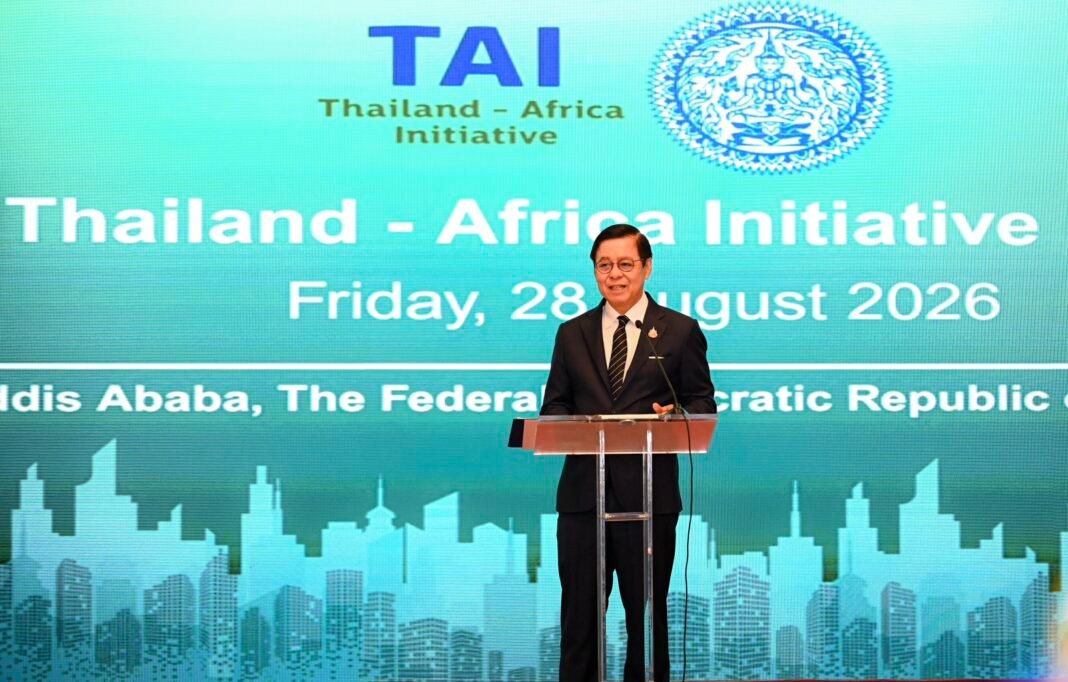
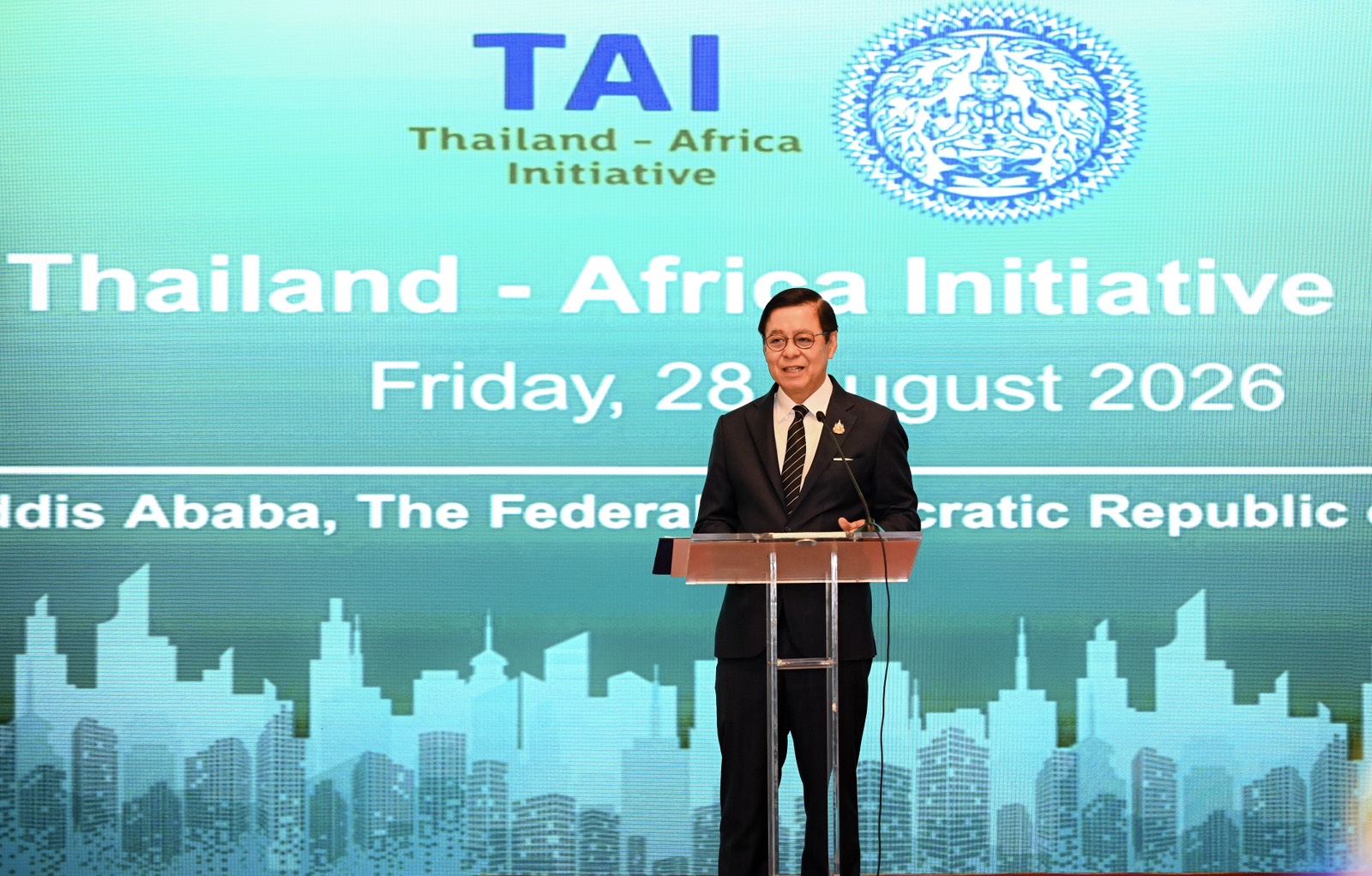
The statement does not mention specific prior meetings or agreements that led to the relaunch. However, it references the Thailand – Africa Initiative (TAI), initially announced in 2013. The Deputy Prime Minister and Minister of Foreign Affairs, H.E. Mr. Sihasak Phuangketkeow, undertook this visit to Ethiopia on 28 August 2026, coinciding with the initiative’s relaunch. The press release indicates a planned relaunch for December 2025, implying a continuity in Thailand’s strategic engagement with Africa. The statement does not address the timeline of previous TAI activities or the specific scope of that earlier policy.
Analysis
The Deputy Prime Minister’s actions demonstrate a continued prioritization of Thailand’s role as a strategic partner within the Global South. This reaffirms Thailand’s commitment to strengthening cooperation with the African region, aligning with the TAI’s four key pillars: political, economic, development, and global strategic cooperation. The choice of Ethiopia, home to the headquarters of the African Union (AU), underscores Bangkok’s desire for influence within continental African governance structures. This relaunch is framed as responding to the “current geopolitical landscape,” suggesting a need to bolster relationships with nations outside traditional Western alliances – particularly amongst developing countries – in an era of shifting global power dynamics. The emphasis on shared priorities—sustainable development, climate change responses, and combating transnational crime— reflects broader international concerns.
Implications
This relaunch has implications for regional stability, primarily by positioning Thailand as a potential facilitator between ASEAN’s economic interests and the developing needs of African nations. The increased engagement could strengthen Thailand’s diplomatic footprint in Africa, potentially influencing decision-making processes within regional organizations. Furthermore, the focus on trade opportunities and development cooperation – particularly in agriculture, health, and tourism – suggests an attempt to diversify Thailand’s economic relationships beyond its traditional markets. The statement does not address the potential impact of this initiative on existing bilateral relations with other nations or the broader security environment in Africa.
Outlook
Should the visit yield increased cooperation in advancing shared priorities for developing countries, Thailand could strengthen its position as a bridge between ASEAN and Africa. If engagement expands to include greater participation in AU initiatives, Thailand’s role as a facilitator might become more prominent. If the Deputy Prime Minister’s emphasis on sustainable development and combating transnational crime gains traction, it could lead to collaborative projects addressing shared vulnerabilities – specifically regarding climate change adaptation or countering illicit financial flows.