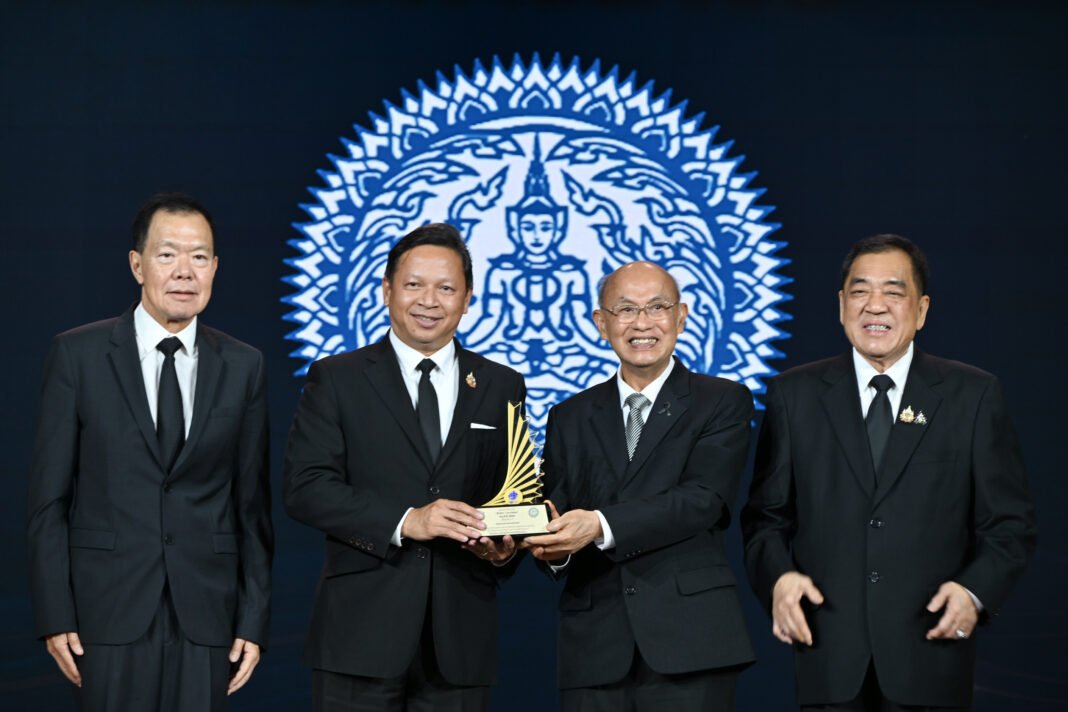
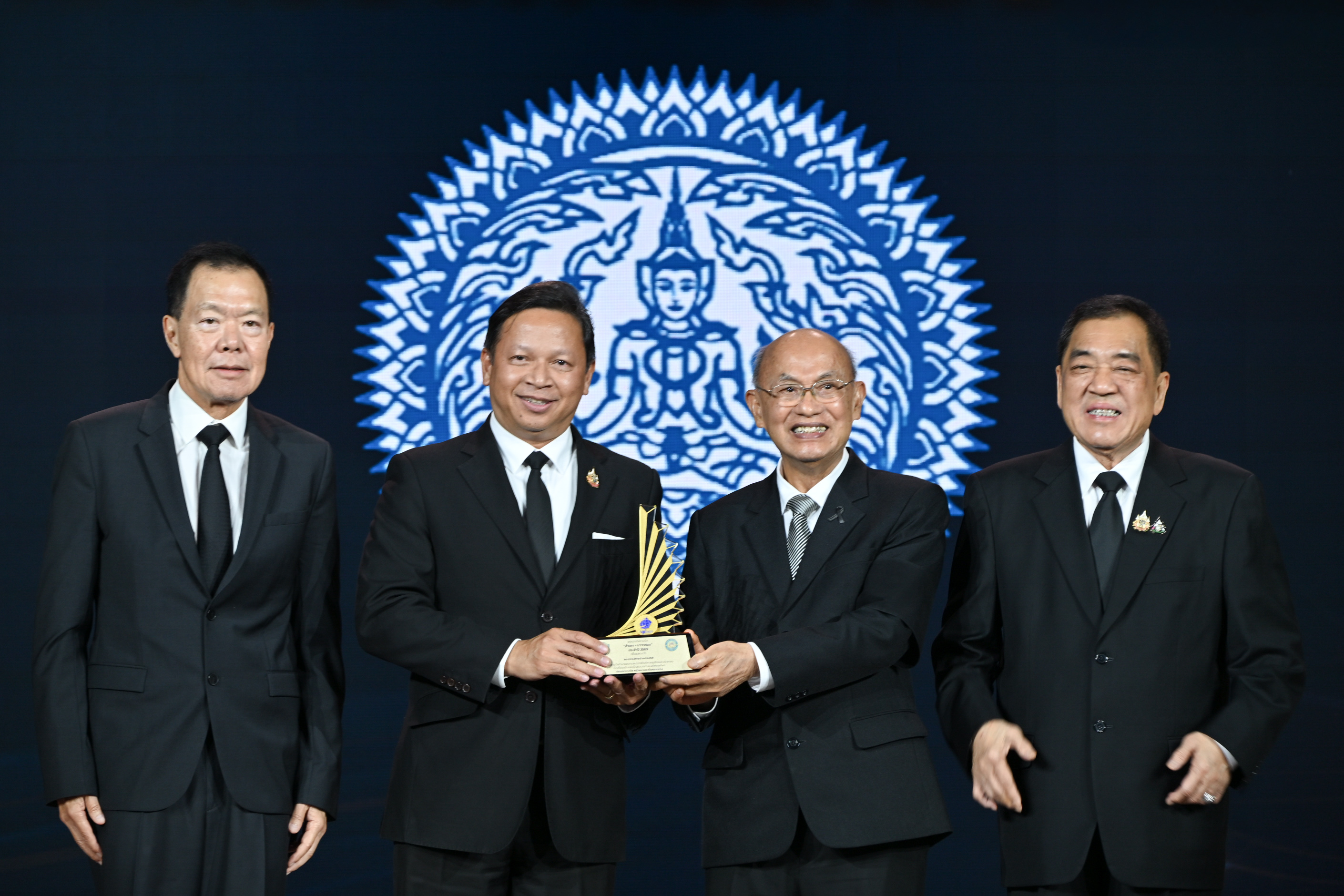
Per the government announcement, The Ministry of Foreign Affairs received the 2026 “Samphao–Navathong” Award for Top Public Sector Agency in Enhancing Public Services and Facilitating the Business Sector on 31 August 2026 (the statement does not mention the date), a recognition that matters because it highlights the government’s prioritization of strategic work and proactive economic diplomacy. Deputy Permanent Secretary for Foreign Affairs, Mr. Chettaphan Maksamphan, accepted the award at the main Auditorium, University of the Thai Chamber of Commerce, presided over by Professor Emeritus Dr. Kasem Watanachai, Privy Councillor.
Background
The award stems from the Ministry’s commitment to improving work processes for efficient business sector and public service facilitation. The statement does not mention specific timelines or previous initiatives that led to this recognition. However, it indicates a growing emphasis on strategic work in response to global developments impacting Thailand’s economy. This approach frames the MFA as a “door-knocker” and “bridge-builder,” connecting economic opportunities at all levels.
Analysis
The award signifies an acknowledgement of the Ministry’s role in navigating increased complexity within Thailand’s international trade relationships. If implemented as described, this strategy represents a deliberate attempt to bolster Thailand’s position as a destination for foreign investment and trade. The government’s framing of itself as a “door-knocker” suggests an effort to proactively engage with potential partners, rather than passively awaiting opportunities. This reflects a broader recognition that Thailand must actively shape its economic future in a globally competitive environment.
Implications
The award’s implications extend beyond the Ministry itself. Should the emphasis on strategic work and proactive economic diplomacy prove successful, it could attract increased foreign investment and strengthen Thailand’s trade relationships. Furthermore, the keynote address by Deputy Prime Minister Pakorn Nilprapunt on “Unlocking legal constraints for cost-effective business” suggests a recognition of potential barriers to trade and a commitment to addressing them. The award’s recognition also carries implications for Thailand’s regional standing – a signal of stability and efficiency within its public sector.
Outlook
If the Ministry successfully implements its new approach, as indicated by the award, it could contribute to sustainable economic growth. Should the focus on legal constraints prove effective, it may incentivize foreign businesses to invest in Thailand. However, this depends on a sustained commitment to addressing bureaucratic hurdles and fostering a transparent regulatory environment—the statement does not address whether this will be achieved.
Conclusion
The award represents a strategic recalibration for the Ministry of Foreign Affairs; however, the ultimate test lies in translating this recognition into tangible economic benefits. The question remains: can Thailand’s diplomatic efforts truly unlock sustained growth and secure its position within the evolving global economic landscape?