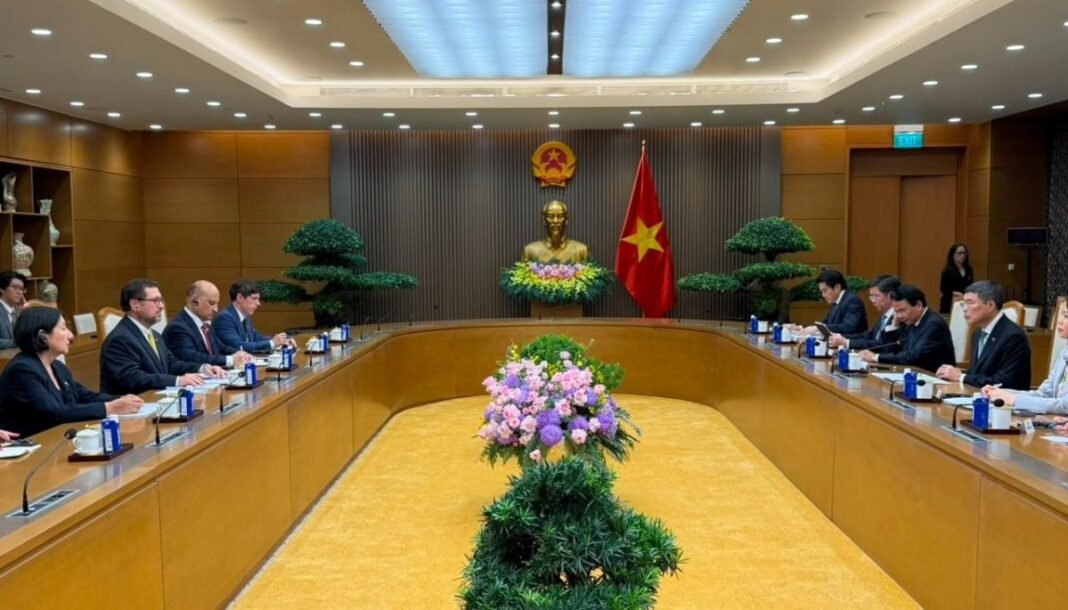
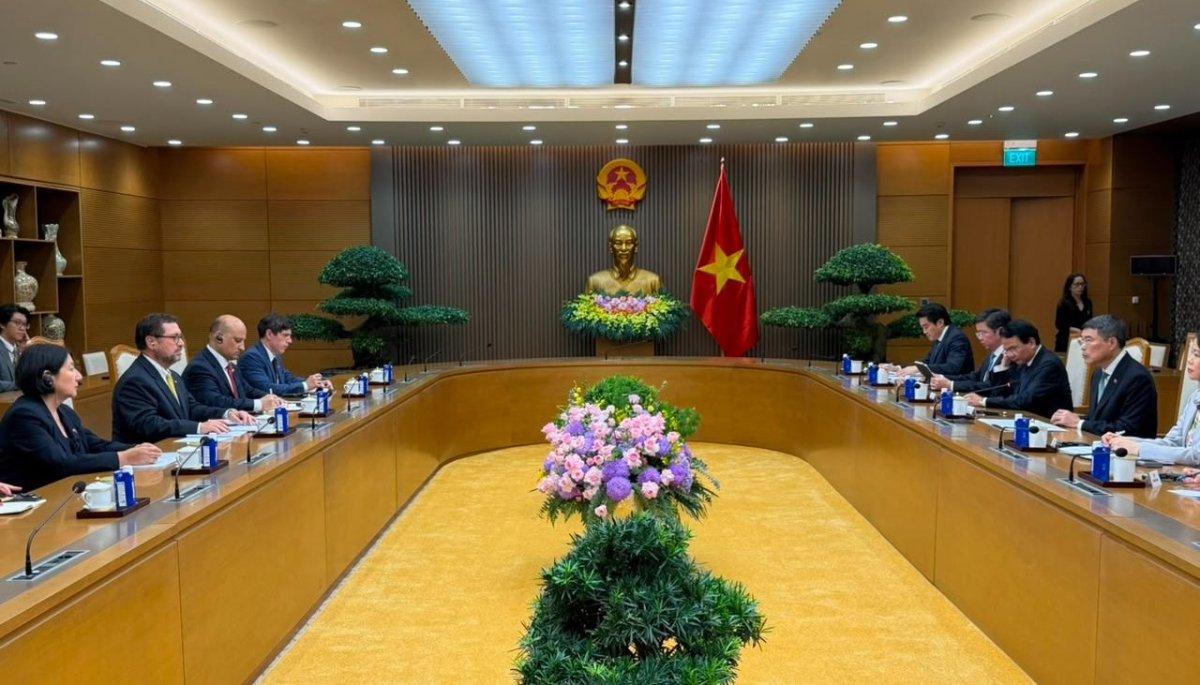
The meeting between Chilean Foreign Minister Francisco Pérez Mackenna and Vietnamese Prime Minister Lê Minh Hưng, held this Monday, represents a crucial step in strengthening ties between the two nations – a development underscored by Chile’s burgeoning trade relationship with Vietnam (https://www.minrel.gob.cl/sala-de-prensa/canciller-perez-mackenna-se-reune-con-primer-ministro-de-vietnam-y-proyecta). The potential impact of this engagement lies in Chile’s ambition to cultivate deeper connections within the Asia-Pacific region, a strategy increasingly vital given evolving trade dynamics and shifting geopolitical alignments.
Background
Chile and Vietnam have maintained a relationship spanning 55 years. This partnership is currently Chile’s most significant in Southeast Asia. Vietnam’s economy, characterized by robust annual growth exceeding 8%, presents a substantial market opportunity for Chilean exports – currently valued at over US$2.1 billion after a 39% increase in 2025. Chile already holds the position as the third largest trading partner of Vietnam within Latin America, indicating a growing mutual dependence.
The statement does not address specific details concerning trade volumes or investment figures beyond the broad growth trends outlined above. Furthermore, it does not mention any existing bilateral agreements or frameworks that underpin this expanded collaboration.
Analysis
Chile’s strategic rationale for prioritizing Vietnam stems from several converging factors. The Vietnamese government is actively promoting foreign investment and welcomes trade liberalization initiatives. This presents Chile with a significant opportunity to diversify its export markets beyond traditional partners in Europe and the United States. The focus on security, particularly concerning crime prevention, suggests a recognition of shared challenges within the broader Asia-Pacific region.
If implemented as described, this approach reflects a calculated effort to balance Chile’s longstanding ties with established Western democracies against the rising economic influence of nations like China and Vietnam. The ambition to secure Chile’s presence in the APEC 2027 presidency further demonstrates a proactive strategy for positioning itself at the forefront of regional trade and security discussions.
Implications
The deepening relationship with Vietnam carries significant implications for both countries. For Chile, it expands its economic horizons beyond traditional markets, potentially mitigating risks associated with over-reliance on established trading partners. The enhanced collaboration in the realm of security could contribute to regional stability and bolster Chile’s role as a responsible actor within the Asia-Pacific region.
For Vietnam, Chile’s engagement offers access to a developed economy with advanced technological capabilities. This could accelerate Vietnam’s own industrialization efforts and further integrate it into global supply chains. The increased trade volume will undoubtedly bolster Vietnam’s economic growth trajectory.
Outlook
Should the visit yield concrete agreements regarding investment promotion and technology transfer, Chile would be poised to significantly increase its market share in Southeast Asia. If, however, the discussions remain largely at a strategic level, without substantial commitments on either side, the impact will likely be limited.
If Vietnam successfully secures the presidency of APEC 2027, Chile’s diplomatic leverage within this influential forum would undoubtedly increase. Conversely, should geopolitical tensions escalate in the region – particularly concerning maritime security issues – the focus on collaboration could shift towards broader defense cooperation, requiring a more substantial commitment from both nations.
Conclusion
The renewed emphasis on Vietnam as a strategic partner raises fundamental questions about Chile’s long-term economic diversification strategy and its evolving role within the Asia-Pacific geopolitical landscape. The continued prioritization of this relationship hinges on maintaining momentum in trade growth and deepening engagement across multiple sectors – a challenge that remains undefined.