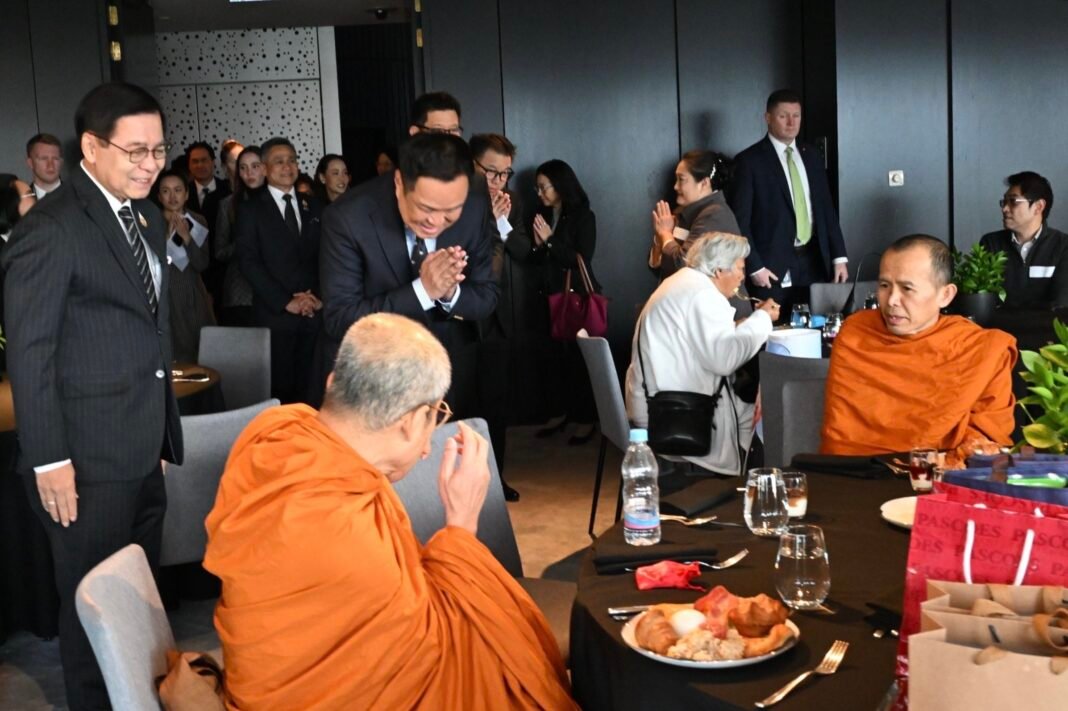
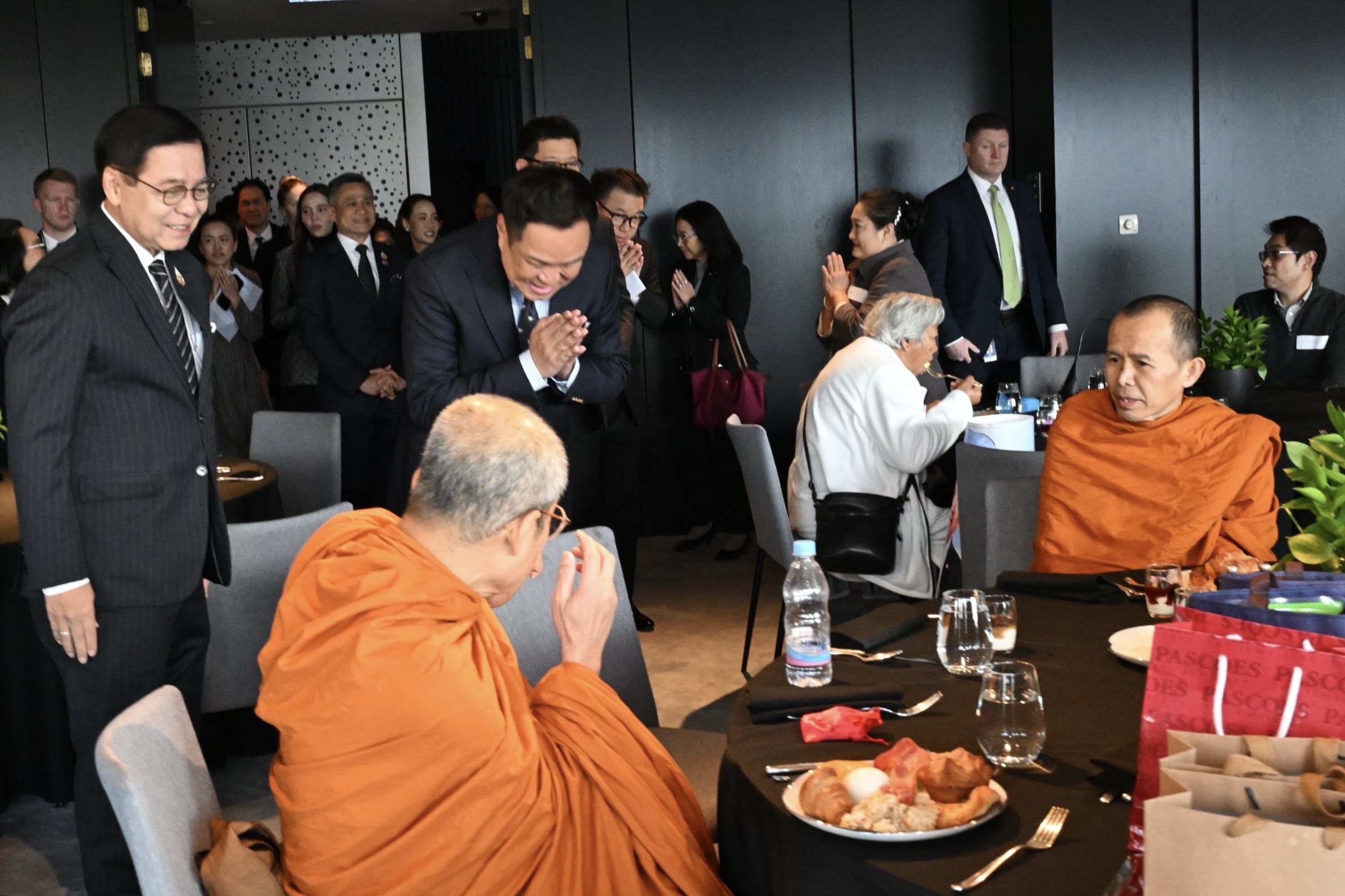
Details in a press release show that On 22 August 2026, Deputy Prime Minister and Minister of Foreign Affairs Mr. Sihasak Phuangketkeow joined Prime Minister Anutin Charnvirakul in meeting with approximately 100 members of the Thai community in New Zealand at the Park Hyatt Auckland – a fact that highlights the government’s ongoing commitment to supporting its citizens operating abroad. This initiative, according to the statement, aims to share information on the Government’s key foreign policy priorities and the missions of the Ministry of Foreign Affairs, including the protection and promotion of the interests and welfare of Thai nationals abroad. The event underscores a potential shift in focus towards proactively engaging with diaspora communities as part of Thailand’s broader diplomatic strategy.
Background
The meeting occurred during the official visit to New Zealand of the Prime Minister and Deputy Prime Minister, a trip that the Ministry of Foreign Affairs framed within the context of strengthening bilateral relations. The statement references the “20-Year ‘5S’ Foreign Affairs Masterplan,” a strategic framework outlining Thailand’s foreign policy objectives, though the specific details of this plan remain largely unelaborated. The presence of the Thai community in Auckland reflects a growing expatriate population and the government’s acknowledged responsibility for their well-being – an area where previous administrations have faced criticism regarding responsiveness and support networks.
Analysis
The stated purpose of the meeting—sharing information on key foreign policy priorities—suggests a deliberate effort to shape narratives surrounding Thailand’s international engagement. The inclusion of “the protection and promotion of the interests and welfare of Thai nationals abroad” directly addresses a longstanding concern raised by Thai diaspora communities regarding consular services and assistance in times of difficulty. This signals a potential strengthening of consular operations, particularly given the increasing global mobility of Thai citizens. However, the statement does not address the specific challenges faced by this community – such as economic conditions, security concerns, or cultural integration – which could inform more targeted support.
Implications
The visit carries implications for Thailand’s diplomatic efforts across several fronts. It reinforces a commitment to multilateral engagement within ASEAN and potentially other regional partnerships. The focus on consular protection demonstrates a recognition of the economic and social contributions made by Thai nationals globally, which could translate into increased investment and trade opportunities. Simultaneously, it raises questions about resource allocation – specifically, whether existing consular services are adequate to meet the needs of an expanding diaspora or if significant investments in infrastructure and personnel will be required. The event’s timing coincides with ongoing discussions within the Ministry regarding the “5S” Foreign Affairs Masterplan—a plan that remains largely opaque.
Outlook
Should the visit yield a tangible increase in consular support – for example, through enhanced training programs for consular staff or expanded service delivery networks – it would represent a positive development. If the Ministry continues to prioritize engagement with diaspora communities via initiatives like this meeting, it could foster greater understanding and cooperation between Thailand and its global citizenry. However, should the visit primarily serve as a public relations exercise without demonstrably improving access to services or addressing key concerns raised by the Thai community in New Zealand, it risks perpetuating existing frustrations and damaging trust.
Conclusion
The meeting represents a carefully calibrated step – a visible demonstration of government commitment. Yet, the lack of specific policy details accompanying this engagement raises questions about the depth and sustainability of Thailand’s approach to its global diaspora. The Ministry’s continued reluctance to fully articulate the “5S” Foreign Affairs Masterplan leaves key strategic objectives shrouded in ambiguity.