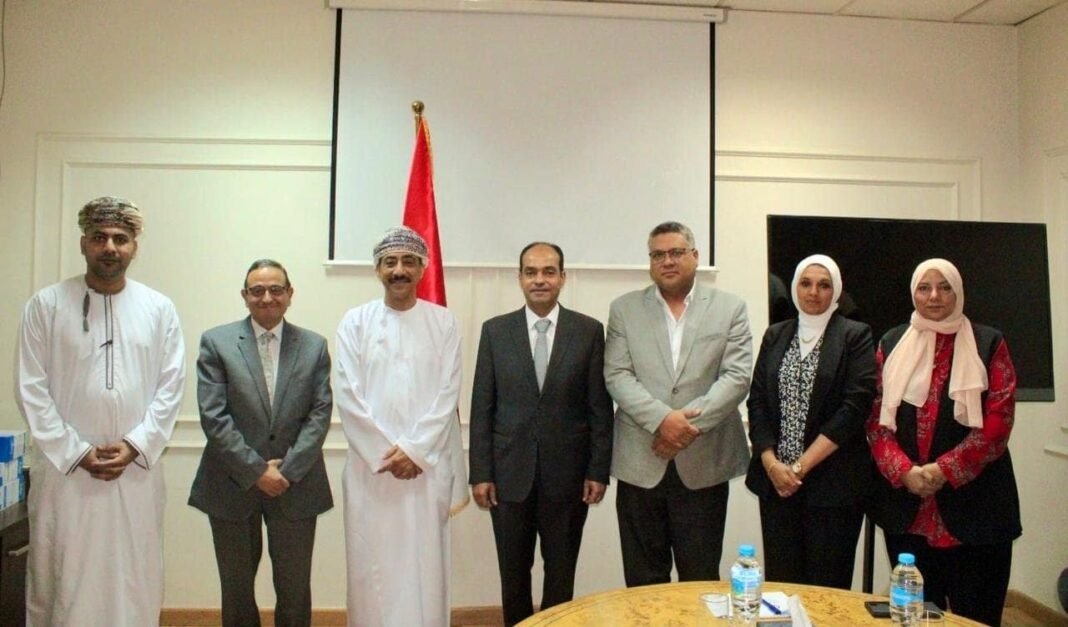
As set out in a formal announcement, Ambassador Abdullah Al Rahbi, Head of the Sultanate of Oman’s Mission to Egypt and Permanent Representative to the Arab League, visited the Egyptian Health Council on 18 August 2026. This visit focused on cooperation and the exchange of expertise in healthcare and medical education. The statement does not address the specific sectors of focus within this cooperation or the anticipated scale of investment.
Background
Recent diplomatic activity by Omani officials—including a visit to the United Arab Emirates on 17 August 2026 and the presentation of credentials to the Chilean President on 14 August 2026—suggests a broadening engagement across regional partners. The Ministry of Foreign Affairs issued a statement condemning Colombian recognition of Israeli sovereignty over Syrian Golan on 12 August 2026, alongside expressions of solidarity with Colombia following a devastating earthquake on 11 August 2026. These actions suggest an ongoing commitment to multilateral diplomacy and support for existing alliances.
Analysis
The focus on healthcare cooperation represents a potential diversification of Oman’s economic partnerships beyond oil and gas. This initiative aligns with broader governmental efforts, as outlined in a speech by the Minister on 14 July 2026, to establish new Gulf security policies. However, the statement does not address whether this collaboration will leverage Omani expertise in medical tourism or contribute to addressing Egypt’s healthcare infrastructure challenges.
The timing of this visit—following a period of heightened regional tensions and diplomatic activity—is notable. The Ambassador’s engagement with the Egyptian Health Council could be interpreted as an effort to establish channels for stability and cooperation within a volatile geopolitical environment. This suggests a strategic prioritization of non-military avenues for engagement.
Implications
The agreement, should it proceed as described, would represent a tangible step in Oman’s efforts to diversify its economy and reduce reliance on hydrocarbon exports. The success of this cooperation hinges on the ability of both nations to effectively manage potential differences regarding regional security issues—as evidenced by Oman’s recent statement regarding Colombia.
Furthermore, increased medical expertise exchange could have broader implications for regional health security, particularly if it incorporates elements of preventative medicine and disease surveillance. The statement does not address the potential role this collaboration might play in addressing emerging public health threats.
Outlook
Should the visit yield a formal agreement outlining specific areas of cooperation—as indicated by the Ambassador’s actions—Oman will face the challenge of aligning its healthcare initiatives with broader regional security objectives. If the Egyptian Health Council agrees to explore joint research projects, this suggests an intent to establish long-term partnerships.
If the discussion focuses solely on knowledge exchange and training programs, the impact may be limited. The statement does not address whether Oman intends to provide financial support or infrastructure assistance as part of this cooperation.
Conclusion
The visit underscores a demonstrable effort by Oman to broaden its diplomatic portfolio; however, without further detail regarding the scope and objectives of this healthcare partnership, its strategic significance remains unclear. The statement does not reveal whether these discussions will translate into concrete outcomes.