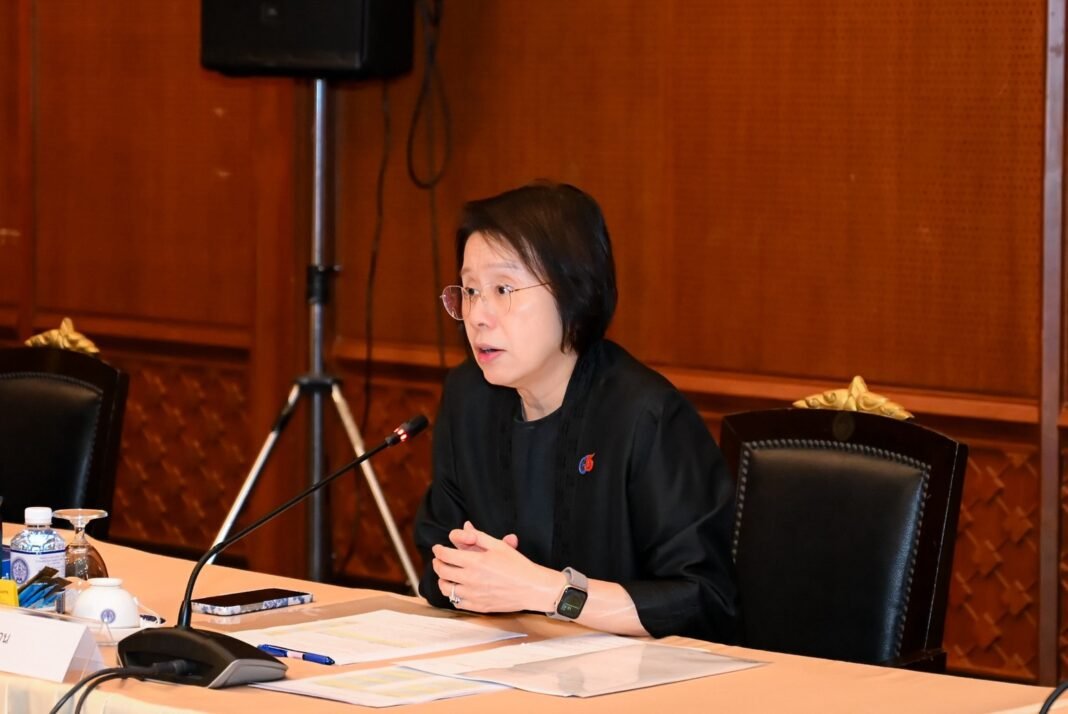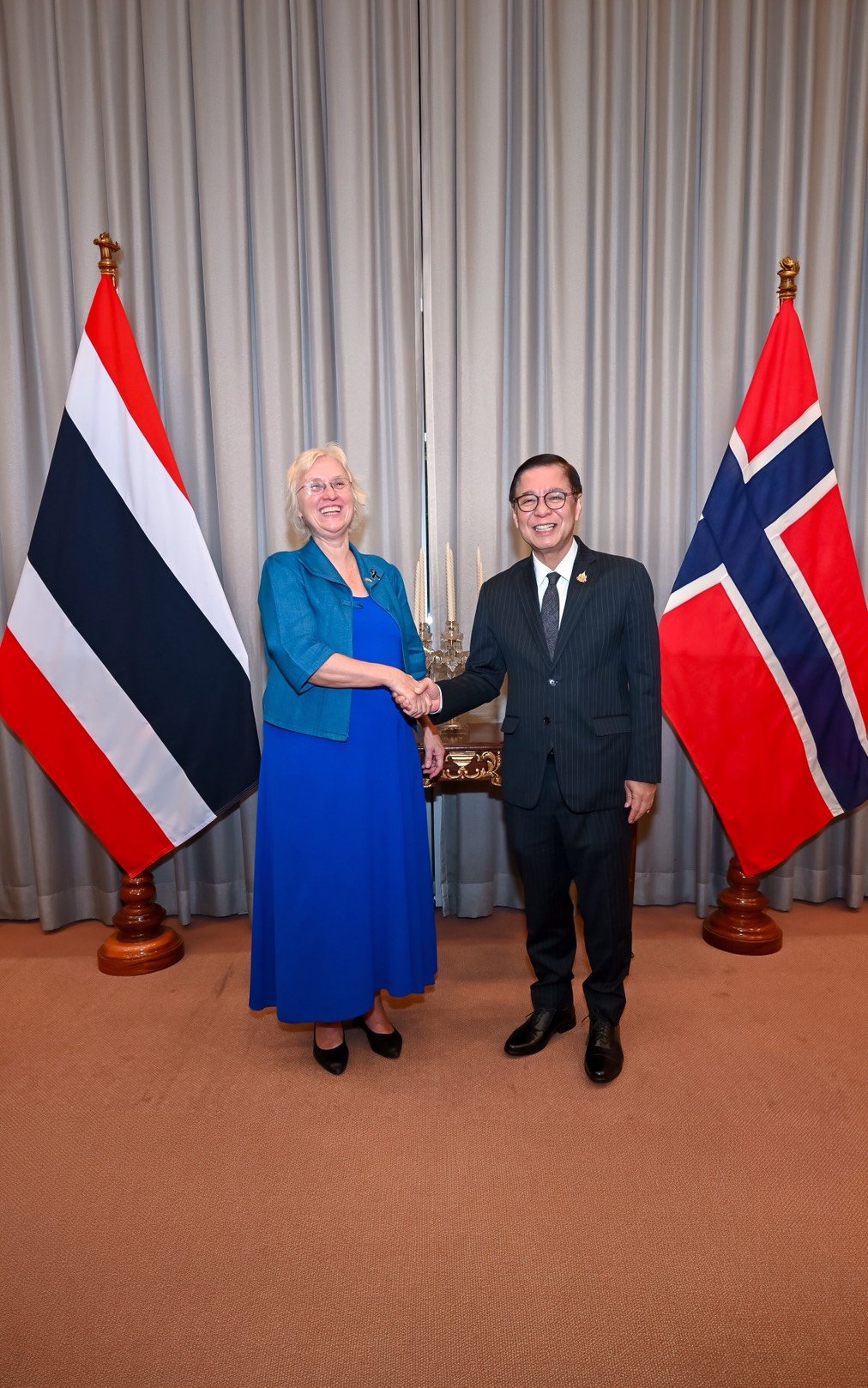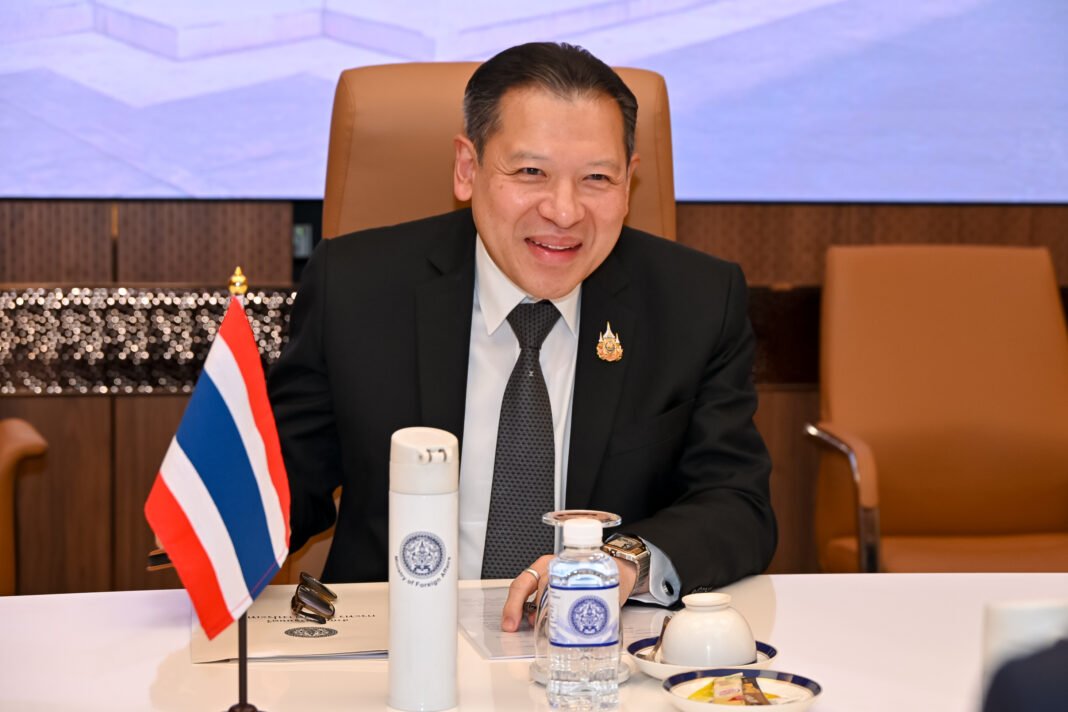
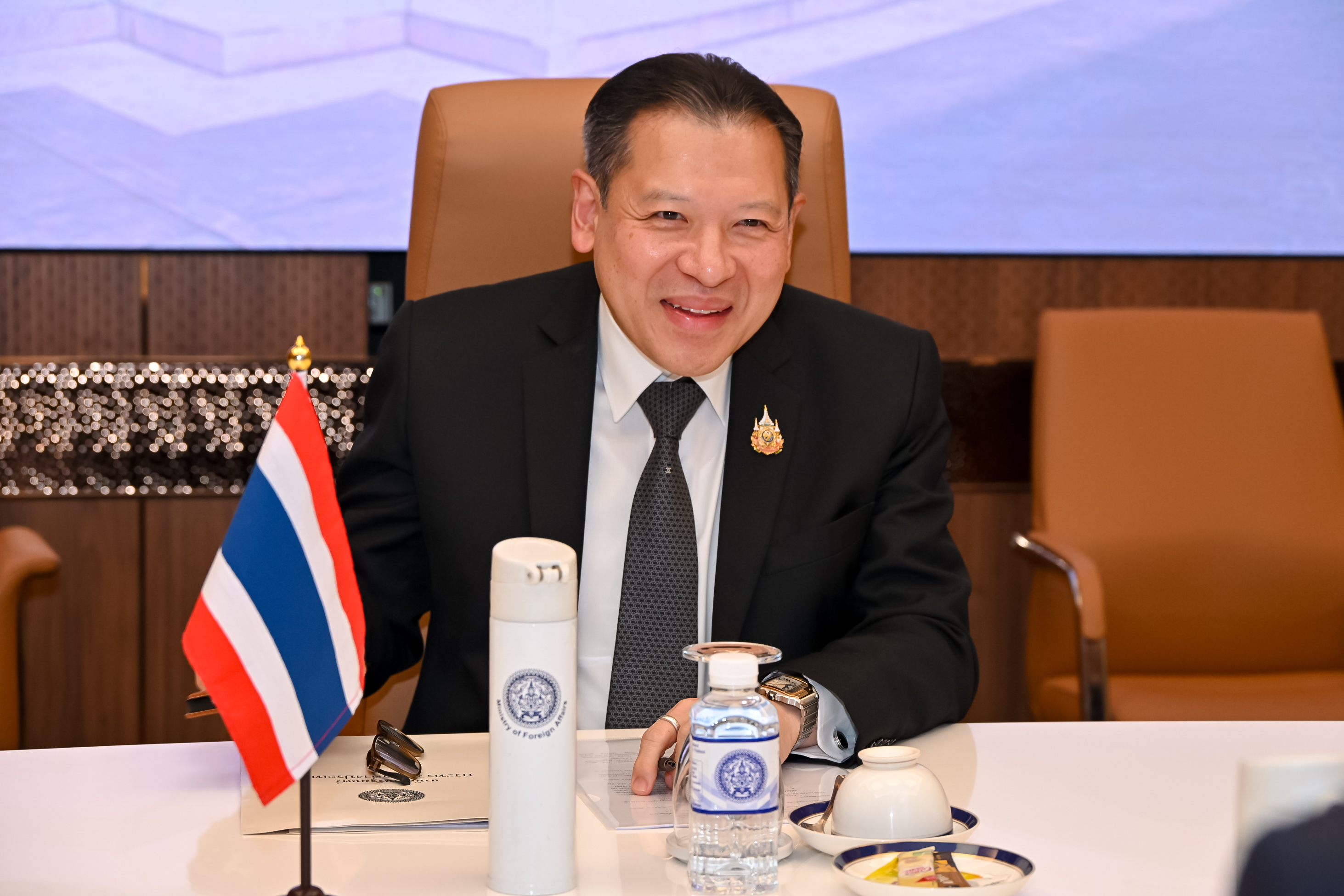
The foreign ministry readout describes On 16 August 2026, the Ministry of Foreign Affairs announced a meeting between H.E. Mr. Sarun Charoensuwan, Vice Minister for Foreign Affairs, and Mr. Namazu Hiroyuki, Senior Deputy Minister for Foreign Affairs of Japan. The meeting occurred during Mr. Hiroyuki’s visit to Thailand to co-chair the 11th Japan – Thailand Political Partnership Consultations (JTPPC) alongside Ms. Eksiri Pintaruchi, Permanent Secretary for Foreign Affairs. This event represents a key component of Thailand’s 20-Year “5S” Foreign Affairs Masterplan, focusing on strategic partnerships and regional engagement. The purpose was to bolster the Comprehensive Strategic Partnership between Thailand and Japan, particularly in advance of the 140th anniversary of diplomatic relations scheduled for 2027. The statement does not address any specific areas of collaboration beyond general support for cooperation and friendship.
Background
The JTPPC serves as a recurring forum for high-level discussions between Thai and Japanese officials. Established several years prior, this consultative mechanism facilitates regular exchanges on political developments, security concerns, and economic opportunities. Prior meetings have consistently centered on strengthening bilateral ties across diverse sectors – trade, investment, defence cooperation, and cultural exchange. The 5S Foreign Affairs Masterplan, outlined by the Ministry of Foreign Affairs, prioritizes strategic partnerships in Southeast Asia, aligning Thailand’s foreign policy with regional dynamics and promoting stability. This plan emphasizes security cooperation, economic integration, and diplomatic engagement within ASEAN.
Analysis
The meeting’s stated objectives – supporting cooperation and friendship, strengthening the Comprehensive Strategic Partnership, and exchanging views on regional developments – reflect a consistent Thai approach to its relationship with Japan. The focus on the 140th anniversary of diplomatic relations suggests an effort to leverage historical ties for future strategic alignment. However, the statement does not explicitly detail the specific areas of discussion or any concrete outcomes. The inclusion of “regional developments” indicates Thailand’s desire to maintain Japan’s perspective on Southeast Asia’s evolving geopolitical landscape – a region increasingly shaped by competition between major powers. This suggests Tokyo’s continued interest in Bangkok’s role as a regional anchor, particularly given the ongoing instability within ASEAN itself. If implemented as described, this dialogue could solidify Japan’s support for Thailand’s participation in regional initiatives and enhance security cooperation, though the breadth of engagement remains undefined.
Implications
The deepening strategic partnership between Thailand and Japan carries implications for regional stability. Should the JTPPC yield increased defence cooperation, it would potentially bolster Thailand’s capabilities to address maritime security challenges within Southeast Asia—a region facing increasing pressure from China’s naval expansion. The strengthening of economic ties could also provide a further boost to Thailand’s export-oriented economy, reliant on Japanese investment and technology. However, the statement does not address any potential ramifications for Thailand’s relationships with other regional powers, particularly those with competing strategic interests in Southeast Asia.
Outlook
If the visit yields no specific agreements regarding defence or security cooperation, it signals a continuation of the existing framework – primarily focused on diplomatic engagement and strategic alignment. Should the JTPPC continue to prioritize discussions on regional developments, Thailand will likely seek Japan’s insights into navigating complex geopolitical currents within ASEAN and beyond. The statement does not address any potential shifts in Thailand’s foreign policy direction based on these consultations.
Conclusion
The meeting between Charoensuwan and Hiroyuki underscores the enduring importance of the Thailand-Japan partnership, yet leaves open a key question: will this dialogue translate into tangible commitments that substantively reshape Bangkok’s role within Southeast Asia?