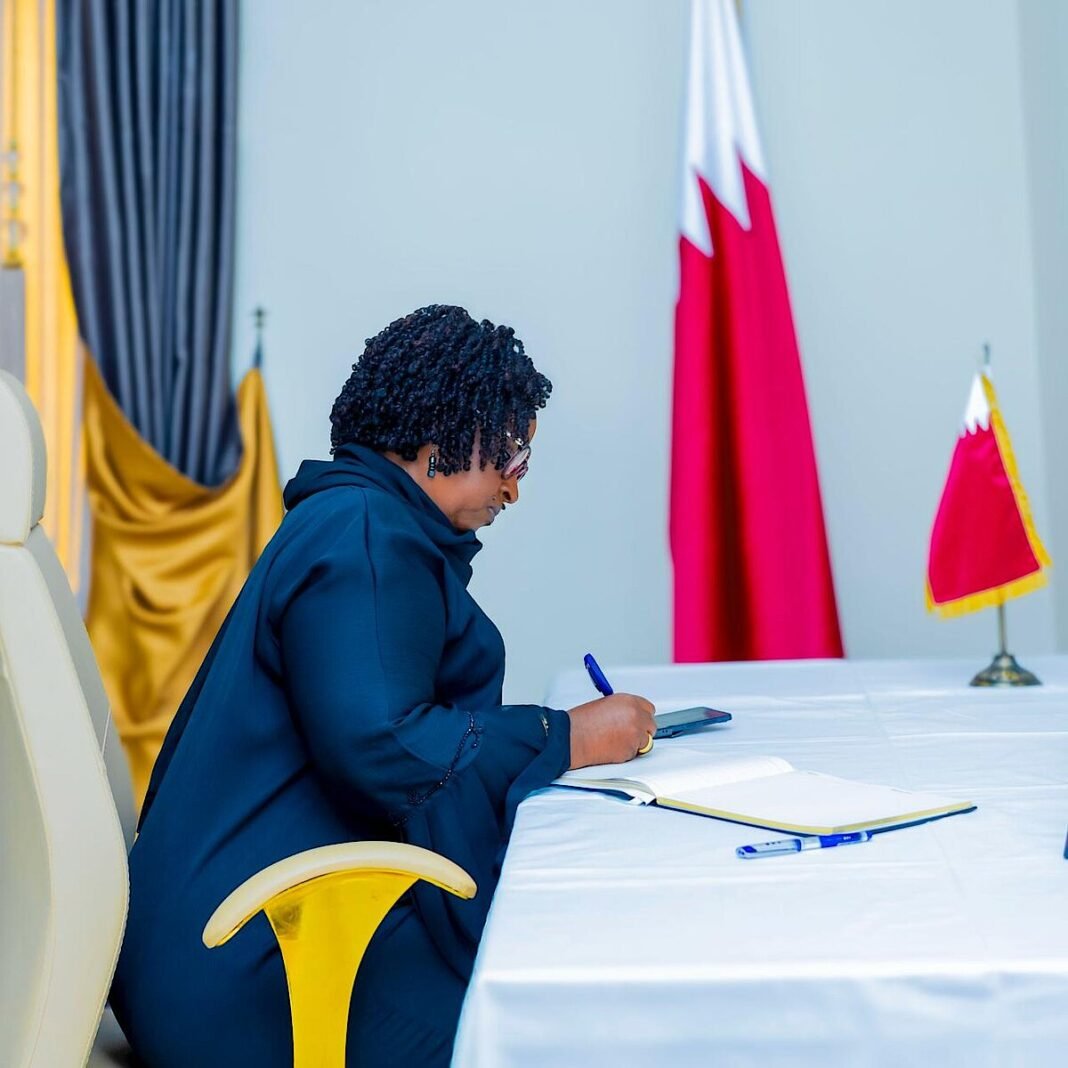

The foreign ministry readout describes Kigali, 14 July 2026 – Minister of State Dr. Usta Kaitesi signed the Book of Condolence at the Embassy of the State of Qatar in Rwanda, following the passing of His Highness the Father Amir Sheikh Hamad bin Khalifa Al Thani. This act of diplomatic mourning matters because it establishes a formal channel between Kigali and Doha amid broader shifts in regional alliances – a development that remains largely opaque to observers.
Background: The statement does not mention prior meetings or agreements between Rwanda and Qatar. However, recent events suggest a carefully calibrated approach to international engagement for Kigali. In June 2026, Minister Olivier J.P. Nduhungirehe visited South Africa, marking an effort to normalize relations following previous disagreements. Furthermore, the government’s consistent attendance at multilateral forums – including the 2026 Korea-Africa Foreign Ministers’ Meeting in Seoul and its ongoing engagement with the United States through diplomatic channels – indicates a desire for diversified partnerships. The statement does not address any specific terms of this relationship or the nature of Qatar’s support to Rwanda, if any.
Analysis: The signing of the Book of Condolence primarily reflects Rwanda’s commitment to upholding diplomatic protocol and expressing solidarity with nations facing national bereavement. This gesture aligns with Minister Nduhungirehe’s broader efforts to cultivate relationships across diverse international partners. If implemented as described, this act could strengthen ties with Qatar—a nation known for its investments in infrastructure development and security assistance – particularly if the visit yields new opportunities for collaboration. The statement does not address Rwanda’s own strategic priorities or how these engagements relate to Kigali’s ongoing efforts to attract foreign investment or bolster its regional influence.
Implications: For policymakers, this event highlights the increasing importance of proactive diplomacy in a fluid geopolitical landscape. Should the visit yield further discussions on economic cooperation, it would represent a tangible benefit for Rwanda’s development goals. The act also signals an opportunity to reinforce Kigali’s image as a stable and reliable partner within the African continent – particularly as nations re-evaluate their relationships following evolving global dynamics. The statement does not address potential security implications or how this engagement might affect Rwanda’s existing alliances, most notably with South Africa.
Outlook: If Qatar continues to demonstrate interest in investing in Rwandan infrastructure projects, it could provide a significant boost to the nation’s economy – contingent on securing necessary approvals and navigating regulatory complexities. Should the relationship deepen, Rwanda would benefit from increased trade flows and access to new markets. However, given the evolving nature of Doha’s foreign policy—particularly its increasing engagement with the BRICS nations – Kigali must carefully manage this partnership to avoid potential friction or misalignment with broader strategic goals.
Conclusion: The signing of the Book of Condolence represents a step in Rwanda’s diplomatic choreography, yet it leaves open the fundamental question of what specific strategic advantages Kigali seeks to gain from its deepening ties with Qatar—and how those gains will be secured.