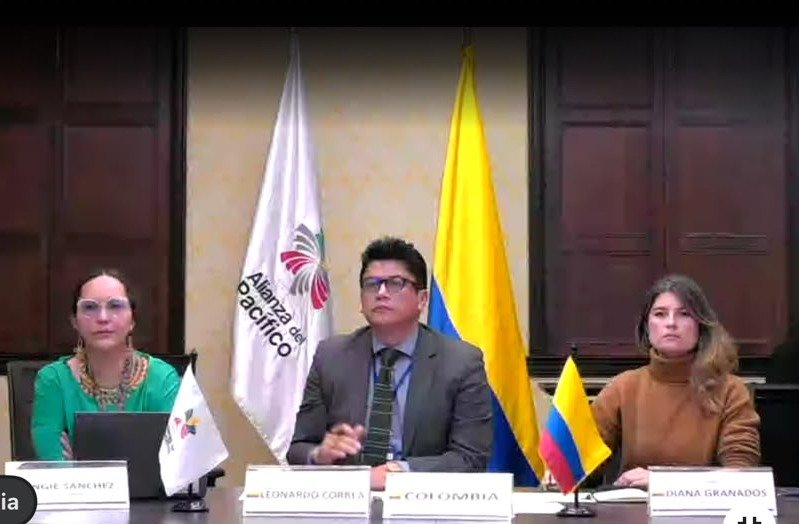
The official readout frames the trip as The Government of Chile expressed its solidarity with the Government and the people of the Republic of Colombia following the earthquake that occurred this morning, affecting various zones of the country, resulting in loss of human life, injured persons and victims, as well as significant material damage. This statement, released on August 10th, 2026, matters because it represents Chile’s immediate response to a humanitarian crisis impacting a key regional neighbor – Colombia.
Background
The Ministry of Foreign Relations is monitoring the situation of nationals in the country. This action follows previous diplomatic engagements during the week of August 7th, 2026, including meetings with the Spanish and Israeli ambassadors. Furthermore, Minister Torres attended a new session of the Interministerial Committee for the National Action Plan on Human Rights and Companies. The statement does not address specific details regarding the scale of Colombian casualties or damage.
Analysis
Chile’s offer to collaborate with Colombian authorities, should they deem it necessary, suggests a strategic prioritization of regional stability within Santiago’s foreign policy calculus. The simultaneous scheduling of bilateral meetings with Spain and Israel – as detailed in the press release – indicates an attempt to diversify diplomatic engagement while simultaneously demonstrating support for Colombia. This coordinated approach signals a potential shift away from solely focusing on traditional trade partnerships towards a more proactive role in disaster relief efforts within its immediate sphere of influence.
The inclusion of President Kast in the meeting with the Colombian president-elect underscores the significance Chile is assigning to this event. If implemented as described, this response will likely be viewed by Bogotá as a crucial demonstration of solidarity during a period of immense national distress. The Ministry’s focus on monitoring Chilean nationals within Colombia adds another layer – potentially signaling preparations for consular assistance and evacuation efforts if needed.
Implications
The dispatch of diplomatic resources, as outlined in the release, has immediate implications for Chile’s foreign policy footprint. It demonstrates a willingness to deploy personnel beyond routine bilateral engagements, indicating a readiness to engage in crisis management and humanitarian assistance. This could reshape Santiago’s relationships with both Colombia and the other nations involved in the meetings – Spain and Israel – presenting opportunities for expanded cooperation on security and disaster preparedness.
Furthermore, this response implicitly addresses concerns about potential instability within Colombia following the earthquake. By offering support and demonstrating a commitment to regional stability, Chile aims to mitigate any geopolitical risks associated with the crisis. The statement does not address implications for trade or investment flows between the two countries.
Outlook
Should the visit yield positive outcomes in terms of facilitating Colombian recovery efforts and securing Chilean nationals, it will solidify Chile’s position as a reliable regional partner. If Colombia requests further assistance – particularly logistical support or medical personnel – Chile’s willingness to provide could deepen the bilateral relationship. Conversely, if the situation remains complex and Bogotá declines external aid, Santiago will likely reassess its strategic priorities within the region.
Conclusion
The Ministry’s measured response raises a key question: will Chile’s engagement in Colombia represent a sustained shift towards greater regional involvement, or merely a temporary deployment of diplomatic resources dictated by immediate humanitarian needs?